
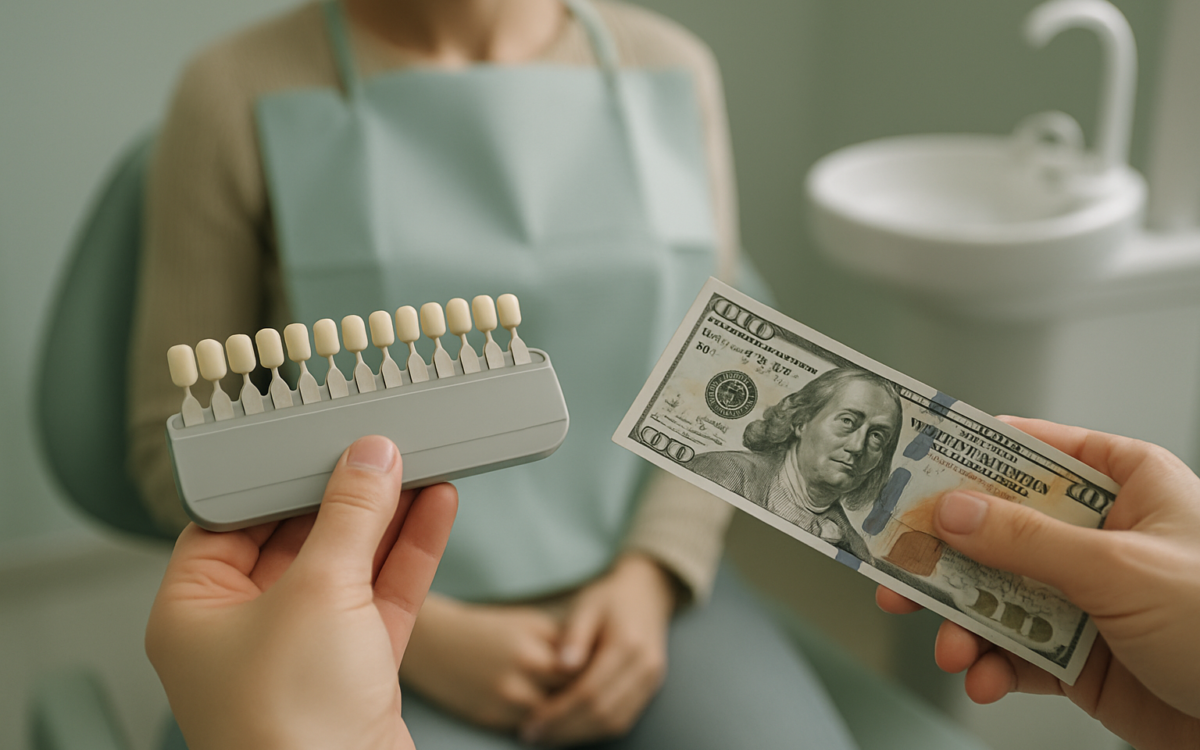
Having a bright, white smile is something many people desire. It can boost your confidence and enhance your overall appearance. However, when considering teeth whitening, one of the first questions that comes to mind is: how much does teeth whitening cost? This article will explore the various options available, their costs, and what factors influence pricing, allowing you to make an informed decision.
Understanding Teeth Whitening Options
Teeth whitening methods vary widely, and so do their costs. Understanding the different options available can help you find a solution that fits both your needs and your budget. Broadly, teeth whitening can be categorized into three types: in-office treatments, take-home kits from the dentist, and over-the-counter products.
1. In-Office Whitening Treatments
This method is typically the most expensive but also offers the quickest results. Professional dental whitening procedures, often performed in a dentist’s office, can cost anywhere from $500 to $1,000 depending on various factors like location and the dentist’s experience.
These sessions often involve higher concentrations of hydrogen peroxide, which can provide dramatic results in just one visit. Dentists may also use light or laser activation to enhance the effectiveness of the treatment.
Benefits of In-Office Treatments
- Fast results
- Tailored treatment plans
- Professional guidance and oversight
2. Take-Home Whitening Kits from Dentists
For those who prefer to whiten their teeth at home, many dentists offer customized kits that include whitening gel and trays. These typically cost between $200 to $400. While less expensive than in-office treatments, take-home kits deliver gradual results over a week or two.
Using a dentist-recommended kit allows for a more controlled whitening process, reducing the risk of gum irritation or uneven results.
Advantages of Take-Home Kits
- Flexibility to whiten on your own schedule
- Customized trays for better fit and effectiveness
- Lower cost than in-office treatments
3. Over-the-Counter Whitening Products
For those on a tighter budget, over-the-counter (OTC) whitening products can be a viable option. These products include whitening strips, toothpaste, and gels and typically cost between $20 to $100.
While these options are more affordable, they often contain lower concentrations of active ingredients compared to professional treatments. As a result, it may take longer to see noticeable results, and the effectiveness can vary widely between different brands.
Considerations for Over-the-Counter Products
- Convenience and accessibility
- Ideal for touch-ups rather than major whitening
- Generally safe, but results may vary
Factors Influencing Teeth Whitening Costs
Several factors influence the overall cost of teeth whitening, including:
- Location: Prices may vary by region, with urban areas typically charging more.
- Dental Office Reputation: Well-established dentists may charge higher fees, reflecting their experience and expertise.
- Type of Treatment: As discussed, in-office treatments are generally the most expensive, while OTC products offer a cost-effective solution.
- Extent of Whitening Needed: If you have significant discoloration, you may require multiple sessions, increasing overall costs.
Are There Any Additional Costs?
In addition to the direct costs of teeth whitening, there may be other expenses to consider:
- Consultation Fees: Some dentists may charge for an initial consultation to determine the best whitening method for you.
- Follow-Up Treatments: Depending on individual circumstances, additional whitening sessions may be necessary.
- Maintenance Products: You might invest in whitening toothpaste or touch-up products to maintain your results.
Finding the Right Approach for You
Choosing the right teeth whitening method depends on your budget, desired results, and personal preferences. It’s important to weigh the pros and cons of each option. Consulting with your dentist can provide valuable insight into which method may work best for you, taking into account your dental history and health.
Safety Considerations
Though teeth whitening is generally considered safe, it’s essential to follow usage directions and consult a healthcare professional if you have any concerns. Overuse of whitening products can lead to enamel sensitivity or gum irritation. For more information on dental health, you can visit resources like the Mayo Clinic or the NIH.
When to See a Doctor
If you experience excessive sensitivity, gum irritation, or have specific dental issues, it’s advisable to consult your dentist. A professional evaluation can help ensure that your teeth whitening experience is safe and effective.
In summary, understanding how much teeth whitening costs involves considering various treatment options, their benefits, and associated expenses. With careful research and professional guidance, achieving a brighter smile can be both effective and within reach.
