
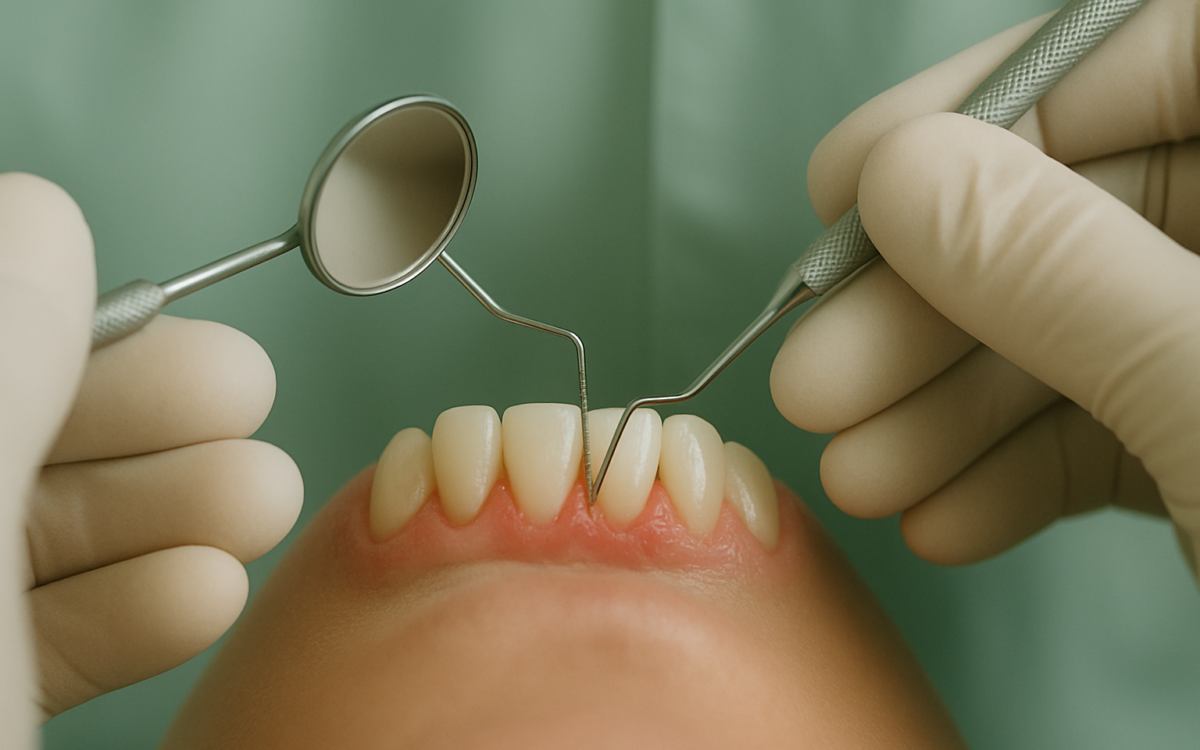
Gum disease, also known as periodontal disease, is a common yet often overlooked condition that can lead to major dental issues if left untreated. Understanding the stages of gum disease is crucial not only for maintaining your oral health but also for overall well-being. This article will guide you through these stages, their symptoms, and how to prevent them.
What is gum disease?
Gum disease is an infection of the tissues that surround and support your teeth. It begins with plaque—a sticky film of bacteria that forms on your teeth. If not removed through regular brushing and flossing, plaque can harden into tartar, which provides more space for bacteria to grow. There are mainly two types of gum disease: gingivitis and periodontitis.
Stage 1: Gingivitis
Gingivitis is the earliest stage of gum disease and is usually mild. At this stage, you may notice:
- Red or swollen gums
- Gums that bleed when you brush or floss
- Bad breath
Despite these signs, gingivitis can often be reversed with proper oral hygiene. According to the National Institutes of Health, regular brushing and flossing along with professional dental cleanings can eliminate plaque and restore gum health.
Stage 2: Moderate Periodontitis
If gingivitis is not addressed, it can progress to moderate periodontitis. In this stage, symptoms may become more pronounced:
- Gums pull away from teeth, forming pockets
- Increased gum bleeding and inflammation
- Persistent bad breath
At this point, the bone surrounding the teeth may begin to break down. Treatment often requires more intensive cleaning procedures by a dental professional, as home care may no longer be sufficient.
Stage 3: Advanced Periodontitis
Advanced periodontitis is the most severe form of gum disease and can cause significant damage to oral health. Symptoms include:
- Deep pockets between teeth and gums
- Loose or shifting teeth
- Severe gum recession
Without treatment, advanced periodontitis can lead to tooth loss and other complications. The Centers for Disease Control and Prevention highlights the importance of interventions at this stage, which may include surgery to restore supportive tissues.
Preventing Gum Disease
Prevention is always better than treatment, especially for gum disease. Here are some effective strategies to maintain gum health:
- Brush your teeth at least twice a day using fluoride toothpaste.
- Floss daily to remove plaque from areas your toothbrush can’t reach.
- Visit your dentist regularly for check-ups and cleanings.
- Avoid smoking or using tobacco products, which can exacerbate gum disease.
- Maintain a balanced diet rich in vitamins and minerals, especially vitamin C and calcium.
Risk Factors for Gum Disease
Understanding the risk factors can help you take early action to prevent gum disease. Some common risk factors include:
- Age: Older adults are at a higher risk.
- Genetics: A family history of gum disease can increase your risk.
- Smoking: Tobacco use significantly weakens gum health.
- Medical conditions: Diabetes and certain illnesses can affect gum health.
Awareness of these factors can prompt you to be more vigilant about your oral hygiene routine.
When to See a Doctor
If you notice symptoms such as persistent bad breath, bleeding gums, or loose teeth, it’s important to consult your dentist promptly. Early intervention can prevent further complications and improve your chances of effective treatment.
Conclusion
Gum disease is a manageable condition when caught early. By understanding the stages of gum disease, recognizing the symptoms, and implementing preventive measures, you can maintain optimal oral health and enjoy a beautiful smile for years to come.
