
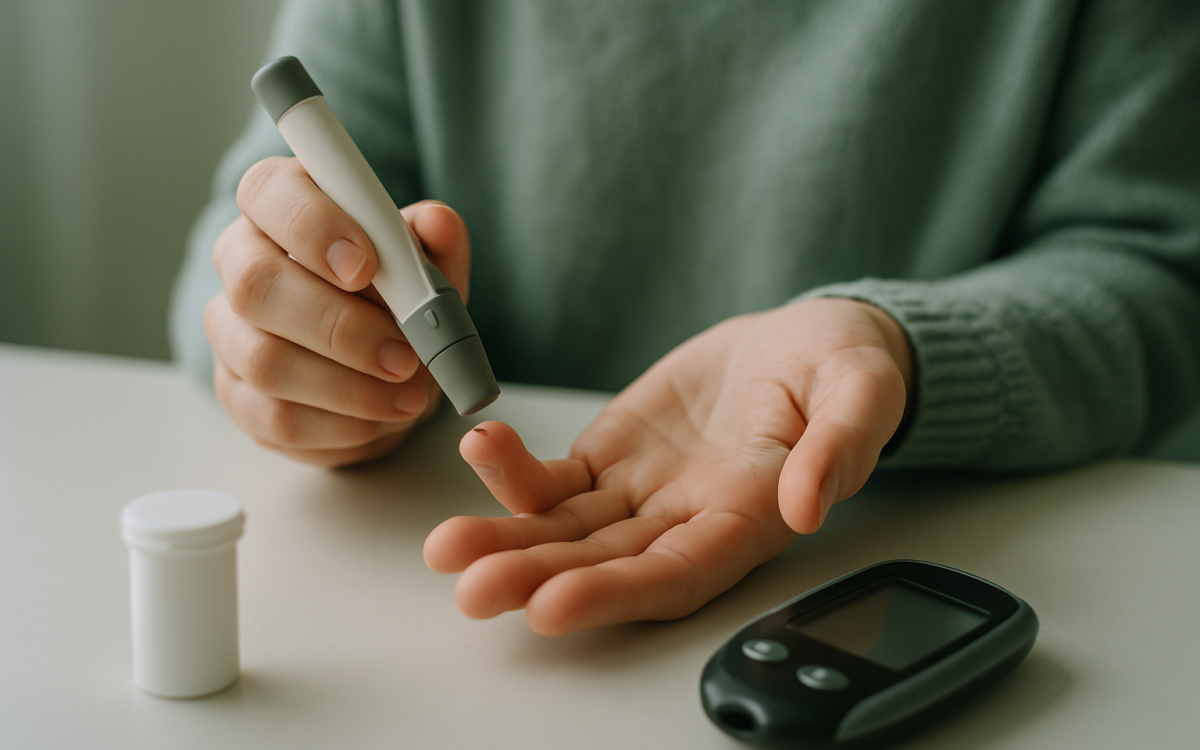
Diabetes is a condition that affects how your body processes food for energy. It’s often called a ‘silent disease’ because many people don’t realize they have it until complications arise. Identifying early signs of diabetes can be crucial in managing the condition effectively. In this article, we will explore typical symptoms, risk factors, and how to recognize if you might have diabetes.
Common Symptoms of Diabetes
Diabetes often presents itself through a variety of symptoms. Here are some of the most common signs to watch for:
- Increased Thirst: If you find yourself constantly thirsty and drinking water or other beverages more than usual, it could be a sign of diabetes.
- Frequent Urination: Increased thirst often leads to increased urination. If you’re making frequent trips to the bathroom, especially at night, it might be worth investigating.
- Fatigue: Chronic tiredness can occur if your body isn’t using insulin effectively or if blood sugar levels are uncontrolled.
- Blurred Vision: High blood sugar can cause fluid to be pulled from the lenses of your eyes, affecting your ability to focus.
- Unexplained Weight Loss: For some, weight loss happens because the body starts breaking down muscle and fat for energy when it can’t use glucose effectively.
- Slow-Healing Sores: Cuts and bruises that heal slowly can indicate a problem with blood sugar levels, as diabetes affects circulation and healing.
Understanding Blood Sugar Levels
Your blood sugar level is a crucial factor in diagnosing diabetes. It can be measured through several tests, including:
- Fasting Blood Sugar Test: This test measures your blood sugar levels after not eating for at least eight hours. A reading of 126 mg/dL or higher may indicate diabetes.
- Oral Glucose Tolerance Test: This test involves fasting overnight and then drinking a sugary solution. Your blood sugar levels are tested two hours later. A level of 200 mg/dL or higher suggests diabetes.
- A1C Test: This test provides an average of your blood sugar levels over the past two to three months. An A1C of 6.5% or higher is often indicative of diabetes.
It’s important to remember that only a healthcare professional can officially diagnose diabetes. For more information on tests and blood sugar management, check reliable sources like the CDC.
Who Is At Risk for Diabetes?
Certain factors can increase your risk of developing diabetes. Understanding these can help you take preventive actions. The risk factors include:
- Family History: If diabetes runs in your family, your risk is elevated.
- Obesity: Excess body fat, especially around the abdomen, raises your risk.
- Poor Diet: A diet high in sugars and unhealthy fats can lead to weight gain and insulin issues.
- Physical Inactivity: Regular exercise helps control weight and lower blood sugar levels.
- Age: The risk of type 2 diabetes increases with age, especially after 45.
Living with Prediabetes
There’s a stage before diabetes known as prediabetes. This condition means your blood sugar levels are higher than normal but not high enough to be classified as diabetes. Symptoms may be mild or even nonexistent, making it hard to notice.
Those with prediabetes have a higher risk of developing type 2 diabetes. If you notice any symptoms or have risk factors, consider getting screened for prediabetes.
Routine Health Checkups
Regular checkups with your healthcare provider are vital for catching conditions like diabetes early. The American Diabetes Association recommends screening individuals who are overweight or have additional risk factors starting at age 45.
Even if you feel well, routine blood sugar checks can help identify potential issues before diabetes develops. This applies especially to those with a family history of diabetes or other risk factors.
When to See a Doctor
If you are experiencing any of the symptoms mentioned or have concerns about your risk, it’s important to consult a healthcare professional. Early diagnosis can significantly improve your management options and your overall health.
Additionally, if you notice that any existing symptoms worsen or if new symptoms develop, seeking medical advice promptly is essential.
Conclusion
Recognizing the signs of diabetes early can lead to better health outcomes and quality of life. Knowing the symptoms, understanding your risk, and maintaining regular health checkups will empower you to take charge of your health. If you suspect you might have diabetes, don’t hesitate to reach out to a healthcare provider for testing and guidance. Remember, early intervention is key!
