
Many people are unaware that high blood sugar, or hyperglycemia, can sne sneak up on them. Knowing how to recognize the signs can help manage your health more effectively. High blood sugar usually occurs when your body can’t use insulin properly or when there’s not enough insulin to convert sugar into energy. This condition can have serious effects over time, so it’s important to be aware of the symptoms.
What is High Blood Sugar?
High blood sugar refers to a higher-than-normal level of glucose (sugar) in your blood. The body typically regulates blood sugar with a hormone called insulin, which helps sugar enter cells for energy. However, when insulin levels are too low or the body doesn’t respond to insulin effectively, glucose can accumulate in the bloodstream.
According to the CDC, consistently high blood sugar can lead to symptoms and long-term complications, especially for individuals with diabetes.
Common Signs and Symptoms
Understanding the signs that your blood sugar is elevating is the first step in managing your health. Symptoms can vary in intensity and may include:
- Frequent urination: High glucose levels lead the kidneys to excrete more sugar, which can result in increased urination.
- Increased thirst: As you lose fluids through increased urination, you may feel more thirsty.
- Fatigue: When your cells are unable to use sugar effectively, you may feel tired and drained of energy.
- Blurred vision: High blood sugar can cause changes in your eye lenses, affecting your vision.
These symptoms can be mild or severe, depending on how high your blood sugar levels are.
Long-Term Effects of High Blood Sugar
Ignoring high blood sugar symptoms can lead to long-term health complications. Prolonged hyperglycemia can damage blood vessels and nerves, increasing the risk of issues such as:
- Heart disease
- Kidney damage, or nephropathy
- Nerve damage, or neuropathy
- Vision problems, including retinopathy
For more information on the complications of uncontrolled diabetes, you can refer to the Mayo Clinic.
Monitoring Your Blood Sugar
Regularly monitoring your blood sugar levels is essential. For those diagnosed with diabetes, healthcare providers often recommend routine checks. There are various ways to monitor blood sugar:
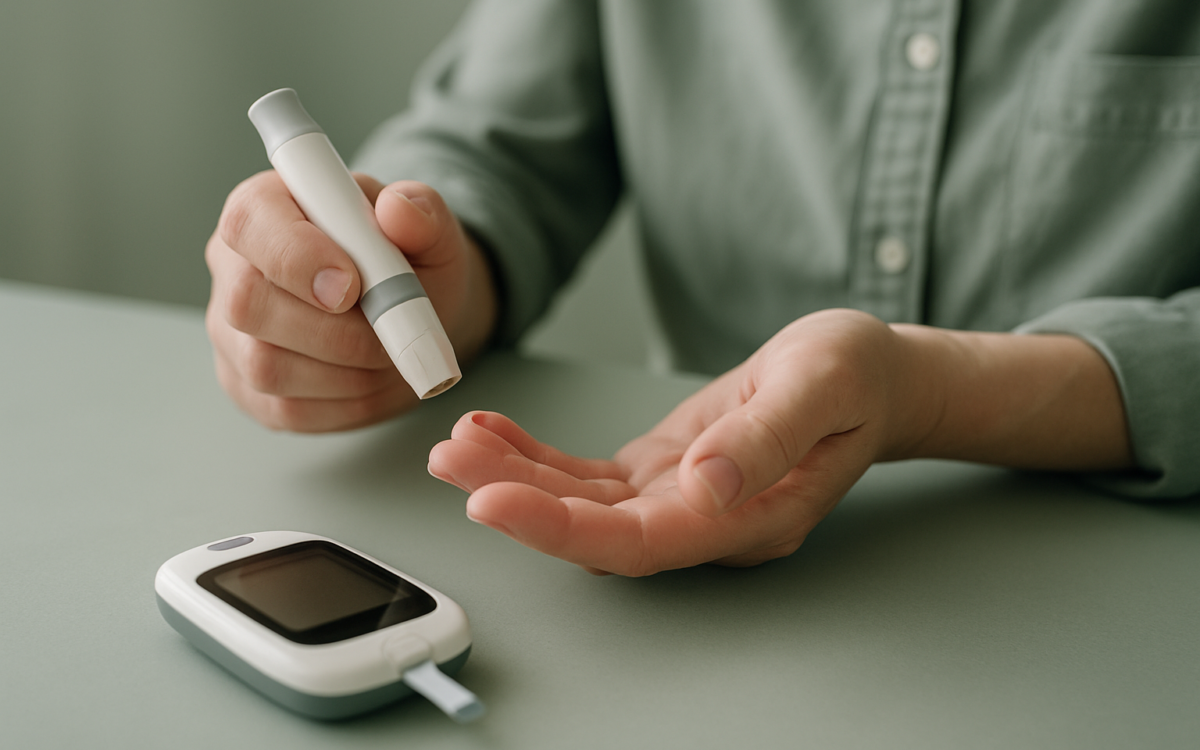
- Self-monitoring with a glucose meter: This allows individuals to check their blood sugar a few times a day.
- Continuous glucose monitoring: Devices that provide real-time blood sugar readings throughout the day.
Understanding how food, activity, and stress affect your blood sugar can help you manage it more effectively. Keeping a log of your readings can help you and your healthcare provider identify patterns.
Causes of High Blood Sugar
Several factors can contribute to elevated blood sugar levels, including:
- Diet: Foods high in sugar or refined carbs can spike blood sugar levels.
- Lack of physical activity: Exercise helps use glucose for energy, lowering blood sugar levels.
- Stress: Physical or emotional stress can increase glucose production in the liver.
- Illness: Infections or other illnesses can lead to higher blood sugar levels.
Being aware of these factors can guide daily decisions and improve your overall health.
When to See a Doctor
If you’re experiencing symptoms of high blood sugar, it’s important to consult a healthcare professional. Seek medical attention if:
- Your symptoms persist or worsen
- You have difficulty managing your blood sugar levels
- You experience severe symptoms, such as confusion or loss of consciousness
Only a doctor can provide you with a proper diagnosis and treatment plan.
Conclusion
Recognizing the signs and symptoms of high blood sugar can have a significant impact on your health. Understanding your body, monitoring your blood sugar levels, and consulting with your healthcare provider are essential steps in preventing complications and ensuring a healthy life. Stay informed, take action, and prioritize your health.
