
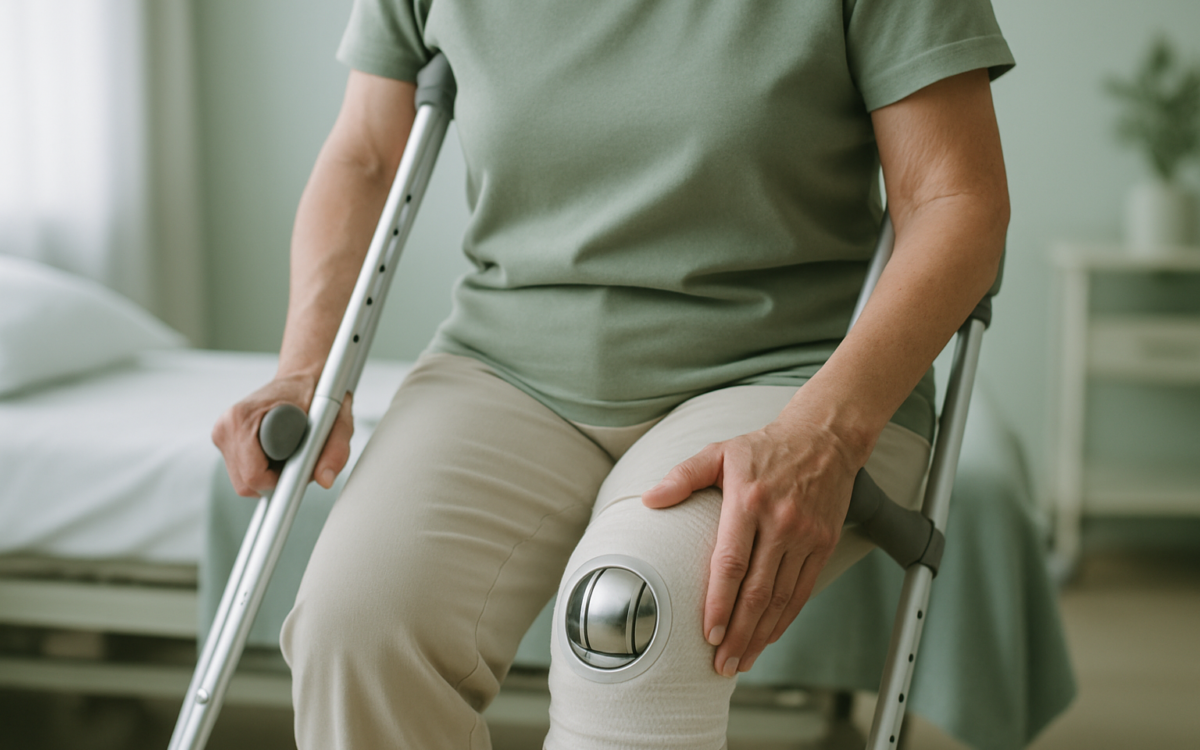
Knee replacement surgery can bring immense relief to individuals suffering from chronic knee pain due to arthritis, injury, or other degenerative conditions. However, the path to recovery is not immediate. Understanding the stages and expectations during your rehabilitation can make a significant difference in your healing journey.
What to Expect Immediately After Surgery
Right after the surgery, you will likely spend a day or two in the hospital. Blood circulation and pain management are the primary concerns during this time. Medical staff will assist you in managing discomfort and helping you get out of bed, usually within 24 hours. Getting started on your movement early is essential for preventing complications such as blood clots.
The Importance of Physical Therapy
Physical therapy plays a crucial role in recovery from knee replacement surgery. Your doctor will typically prescribe physical therapy sessions starting soon after your procedure.
Goals of Physical Therapy
- Improve Mobility: Gaining a range of motion and strength is vital. Your therapist will guide you through exercises that encourage these improvements.
- Reduce Swelling: Gentle exercises can help decrease inflammation around the knee.
- Strengthen Muscles: Targeting the muscles around your knee will help stabilize the joint and support overall mobility.
Participating in physical therapy can significantly aid your recovery and expedite your transition back to daily activities.
Managing Pain and Discomfort
Post-operative pain is common but manageable. Your healthcare team may recommend medications to alleviate discomfort. It’s essential to follow the instructions given for these medications and report any concerns. Besides medication, consider these strategies:
- Icing: Applying ice packs to the knee can help reduce swelling and numb pain.
- Elevation: Keeping your leg elevated can assist in minimizing swelling and promote healing.
- Gentle Movement: While rest is crucial, gentle movement can also promote blood flow and reduce stiffness.
Be sure to consult your healthcare team about what pain management technique will work best for you.
Importance of Following a Rehabilitation Schedule
Adhering to a structured rehabilitation schedule agreed upon with your healthcare provider can significantly impact your recovery. Typically, rehabilitation will include:
- In-home exercises
- Weekly physical therapy sessions
- Regular follow-up appointments with your surgeon
Staying committed to this routine can help avoid complications and improve your chances of regaining full function in your knee.
Navigating Daily Life Post-Surgery
As you recover, everyday life may require some adjustments. Here are some tips to ensure a smoother transition back to your routine:
- Modify Your Environment: Make your home safer by removing trip hazards, using grab bars in the bathroom, and ensuring that frequently used items are within reach.
- Rest When Needed: Understand that your body requires ample rest, especially in the first few weeks. Listen to your body and don’t push too hard.
- Stay Engaged: While physical rest is necessary, staying socially engaged can aid in emotional well-being. Just be sure to take breaks as needed.
Remember, patience and self-care are vital components of the recovery process.
Long-Term Expectations and Outcomes
The road to full recovery can span several months. Many individuals find that while knee replacement surgery drastically improves their quality of life, it can take time to regain full strength, mobility, and functionality. The overall success rate is quite high, with most patients experiencing significant pain reduction and improved motion. According to the NIH, being informed about what to expect following surgery can help mitigate anxiety and set realistic goals for recovery.
As you progress, continue attending follow-up appointments with your healthcare provider, and do not hesitate to discuss any ongoing concerns about pain or mobility issues.
When to See a Doctor
Consult your doctor if you experience:
- Severe pain not relieved by medication
- Unexplained swelling or redness around your knee
- Fever over 100.4°F (38°C)
- Difficulty moving the knee after the initial rehabilitation period
Your healthcare provider can help determine if these symptoms are part of the normal recovery process or if they require further evaluation.
In summary, recovery from knee replacement surgery can be a gradual process that requires patience and commitment. With proper care and rehabilitation, many patients successfully return to enjoyable activities and experience a new lease on life.
