
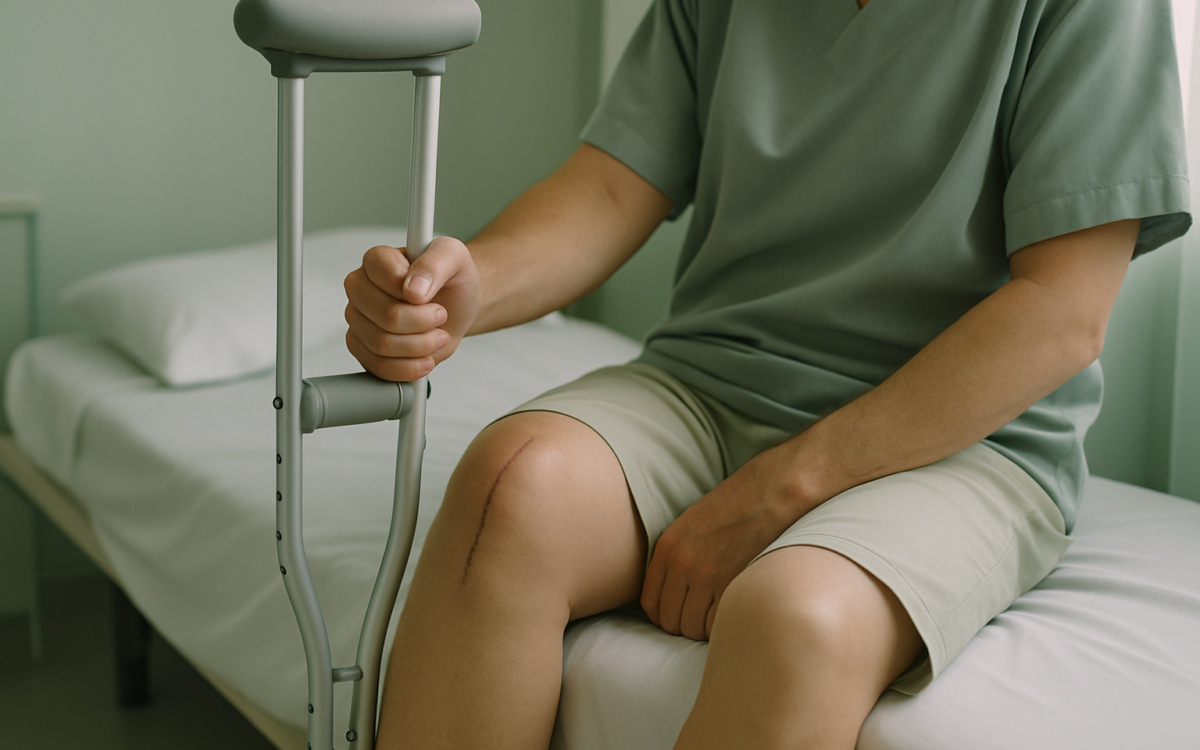
Total knee replacement (TKR) is a common surgical procedure that can greatly improve mobility and reduce pain for individuals with severe knee issues. However, understanding recovery time and what to expect can be just as crucial as the surgery itself. In this article, we will explore the recovery timeline after TKR, factors that influence how long it takes, and tips for a smoother rehabilitation process.
What to Expect Immediately After Surgery
After a total knee replacement, most patients spend 1 to 3 days in the hospital. The primary goals during this time are to monitor vital signs, manage pain, and begin physical rehabilitation. Pain management often includes medications, and the medical team will encourage gentle movements as soon as possible.
The First Few Weeks: Early Recovery Phase
The initial recovery phase typically covers the first 4 to 6 weeks post-surgery. During this time, many people can expect:
- Swelling and Bruising: It is common for the knee to swell and bruise after surgery. Ice and elevation are often recommended to manage these symptoms.
- Physical Therapy: Rehab usually begins within days of surgery. A physical therapist will teach you exercises to improve mobility and strengthen your knee.
- Assistive Devices: Crutches, walkers, or canes may be necessary to help you move safely as you regain strength.
By the end of this stage, many patients can bend their knee to about 90 degrees and can perform basic daily activities with assistance.
Weeks 6 to 12: The Rehabilitation Phase
Between 6 to 12 weeks after surgery, the focus shifts to more intensive rehabilitation. During this phase:
- Improved Mobility: Most patients notice significant improvements in range of motion and strength.
- Increased Activity: You may begin to resume light activities or even return to work, depending on your job’s physical demands.
- Continued Physical Therapy: Regular sessions (often 2 to 3 times a week) are critical during this time.
It is important to listen to your body during this phase. Some swelling may still occur, and it’s essential not to rush the process. Following your therapist’s instructions will aid in quicker recovery.
Three to Six Months: Building Strength and Endurance
As recovery progresses into the 3 to 6-month mark:
- Stronger Muscles: Your knee will continue to get stronger, and many people return to more activities like walking, swimming, and even biking.
- Less Pain: Most individuals experience a significant reduction in pain related to knee damage prior to surgery. Pain levels may be mild or only present during activity.
- Continued Therapy: While formal physical therapy may taper off, continuing strength exercises at home is advisable.
Patients often report an increased ability to perform daily activities more comfortably during this time.
Six Months to a Year: Long-Term Recovery
By the time you reach 6 months to a year post-surgery, many patients feel as though they have returned to normal life. However, some important points to consider include:
- Full Recovery Time: Complete recovery can take anywhere from 6 months to a year. While most improvements happen in the first few months, final results may not be evident until around the first anniversary of the surgery.
- Follow-Up Appointments: Regular check-ins with your orthopedic surgeon are crucial to track healing and address any concerns.
- Ongoing Exercise: Staying active is essential to preserving the benefits of surgery. Incorporating low-impact activities into your routine can enhance overall joint function.
The journey varies for everyone; your recovery could take more or less time depending on numerous factors.
Factors Influencing Recovery Time
Several factors can influence how long recovery takes after a total knee replacement:
- Age: Younger patients usually heal faster than older adults due to better overall health and agility.
- Weight: Maintaining a healthy weight can positively impact recovery since excess weight puts additional stress on the knee.
- Health Conditions: Pre-existing conditions like diabetes or heart disease can complicate recovery and lengthen the healing process.
- Compliance: Following your healthcare provider’s advice and participating in physical therapy can greatly improve recovery outcomes.
Being prepared for these variables can make a significant difference in your recovery experience.
When to See a Doctor
If you notice worsening pain, significant swelling, or fever following your surgery, reach out to your healthcare provider. These symptoms could be signs of infection or other complications that require immediate attention.
Additionally, if you experience any unusual symptoms that concern you, do not hesitate to consult your doctor. Being proactive in your health care is crucial for a smooth recovery.
In conclusion, recovery from total knee replacement surgery can vary widely based on individual circumstances. Understanding the stages of recovery, expected timelines, and factors that influence healing can empower you on your journey to renewed knee function. With patience, adherence to rehabilitation, and open communication with healthcare providers, many patients find their quality of life greatly improved after surgery.
