
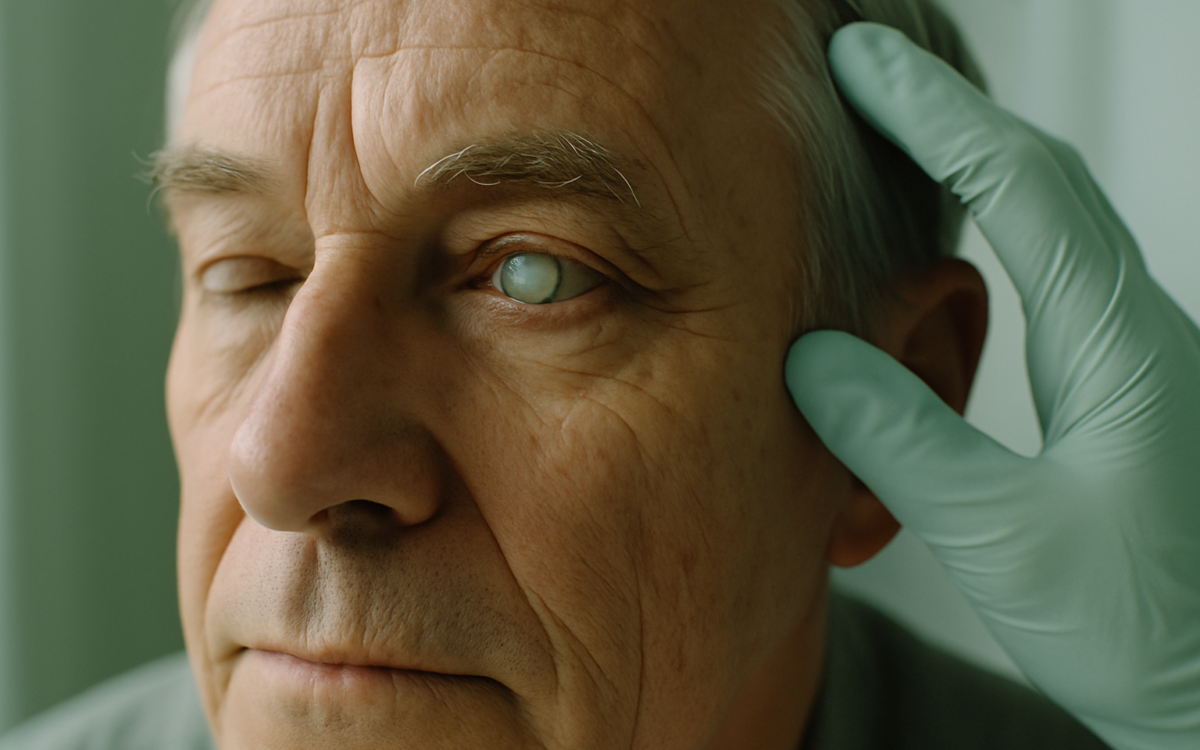
Cataracts are a common eye condition that can significantly affect vision, particularly in older adults. As the eyes age, the lens can gradually become clouded, leading to blurred vision and various visual impairments. Understanding the causes of cataracts is essential for recognizing risk factors and taking preventive measures to maintain eye health.
What Are Cataracts?
A cataract occurs when the lens of the eye becomes cloudy, preventing light from passing through clearly. The lens is responsible for focusing light onto the retina, which sends visual information to the brain. When cataracts develop, they can cause symptoms like hazy vision, difficulty seeing at night, and increased sensitivity to glare.
The Aging Process
Age is one of the most significant risk factors for developing cataracts. As individuals grow older, the proteins in the lens may begin to clump together, leading to cloudiness. According to the National Institutes of Health (NIH), around half of all Americans aged 75 and older have cataracts.
Genetic Predisposition
Family history plays a role in the likelihood of developing cataracts. If close relatives, such as parents or siblings, have had cataracts, your risk may be higher. While genetics can contribute to the onset of cataracts, environmental and lifestyle factors also play an essential role.
Environmental Factors
Environmental influences can accelerate cataract formation. Here are a few key factors:
- Ultraviolet (UV) Light Exposure: Prolonged exposure to UV rays from the sun can increase the risk of cataracts. Wearing sunglasses that block UV rays is an effective way to protect your eyes.
- Cigarette Smoke: Smokers are at a higher risk for developing cataracts. The harmful chemicals in tobacco can contribute to lens clouding.
- Poor Nutrition: A diet lacking in antioxidants, vitamins, and minerals can compromise eye health. Consuming foods rich in these nutrients may help lower the risk of cataracts.
Health Conditions
Certain health conditions are linked to an increased risk of developing cataracts. These include:
- Diabetes: People with diabetes are at a higher risk due to elevated blood sugar levels, which can affect the lens of the eye over time.
- Obesity: Excess weight can contribute to various conditions that increase the risk of cataracts, including diabetes and high blood pressure.
- Other Eye Disorders: Having a history of eye injuries or conditions such as glaucoma can increase the likelihood of cataract formation.
Medications and Cataracts
Some medications can also contribute to the development of cataracts. Long-term use of corticosteroids is one of the most common culprits. These medications, often prescribed for inflammatory conditions, can increase the rate of cataract formation. It’s essential to discuss any concerns about medications with your healthcare provider.
Prevention and Management
While not all cataracts can be prevented, several strategies can help reduce the risk:
- Maintain a healthy diet rich in fruits, vegetables, and whole grains.
- Wear sunglasses to protect your eyes from UV rays.
- Avoid smoking and limit alcohol consumption.
- Manage chronic health conditions such as diabetes and obesity.
Regular eye exams are vital for monitoring eye health and detecting potential issues early. This proactive approach can lead to timely diagnosis and treatment.
When to See a Doctor
If you experience symptoms such as blurry vision, increased glare, or difficulty seeing at night, consult with an eye care professional. Early detection and intervention can improve outcomes and preserve vision.
Conclusion
Cataracts are a common eye condition influenced by various factors, including aging, genetics, lifestyle choices, and health conditions. By understanding these causes, individuals can take proactive steps toward preserving their vision and overall eye health. Regular check-ups with eye care professionals can help detect cataracts early, allowing for timely management and treatment.
