
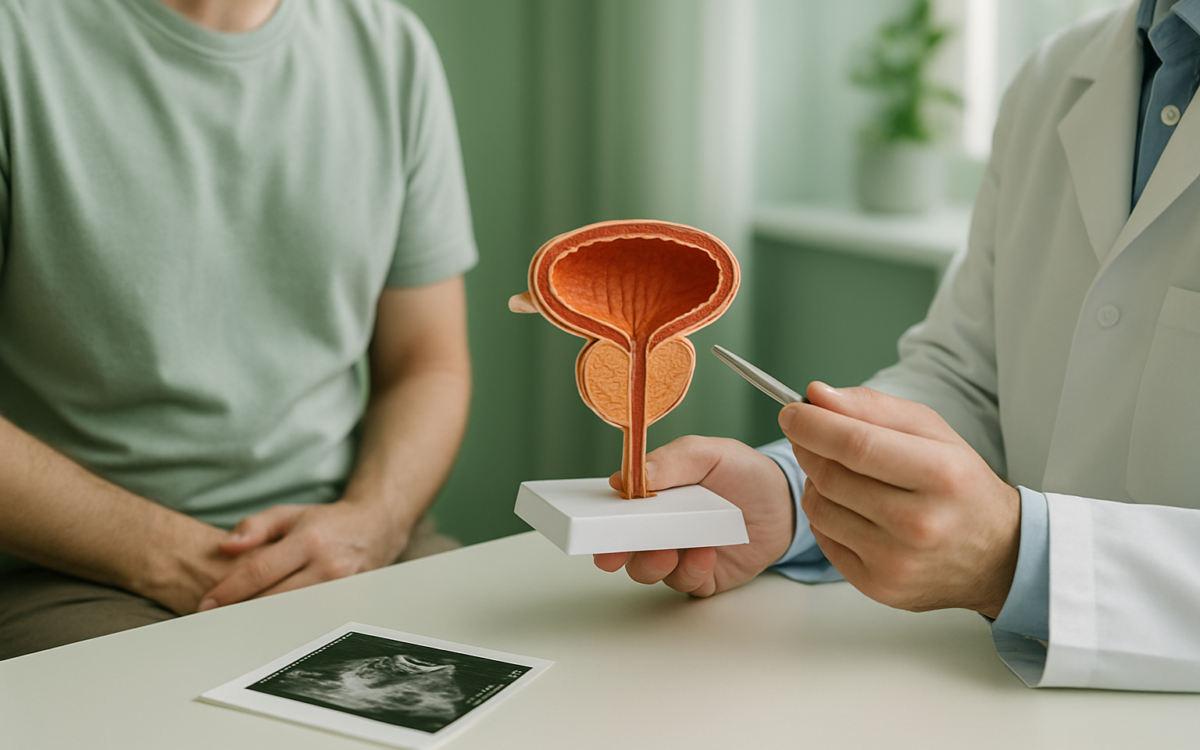
The prostate gland is a small, walnut-sized organ located just below the bladder in men. Though often overlooked, it plays a vital role in the male reproductive system. Understanding the purpose of the prostate gland can lead to better health and awareness about potential issues that may arise. In this article, we will explore what the prostate gland does, how it affects the body, and why it is important to maintain its health.
What is the Prostate Gland?
The prostate is one of several glands that make up the male reproductive system. It surrounds the urethra, the tube through which urine and semen exit the body. The primary function of the prostate gland is to produce seminal fluid, which nourishes and transports sperm. This fluid makes up a significant portion of ejaculate, enhancing the chances of successful fertilization.
The Functions of the Prostate Gland
Semen Production
The prostate gland is crucial for semen production. It adds a milky, slightly acidic fluid to semen that helps protect sperm in the acidic environment of the female reproductive tract. This fluid contains enzymes, citric acid, zinc, and other substances that promote sperm motility and overall reproductive health.
Hormonal Regulation
The prostate gland also plays a role in hormone regulation, particularly testosterone. This male hormone is essential for the development of male physical characteristics and reproductive functions. The prostate’s health is influenced by hormone levels, impacting its function and growth patterns.
Urinary Function
Besides its role in reproduction, the prostate also affects urinary function. Since it surrounds the urethra, any enlargement or inflammation of the prostate can lead to urinary difficulties. This is particularly common in older men, who may experience symptoms like frequent urination or a weak urine stream.
Common Health Issues Related to the Prostate
As men age, various health issues can arise involving the prostate gland:
- Benign Prostatic Hyperplasia (BPH): This condition involves the non-cancerous enlargement of the prostate, often leading to urinary problems.
- Prostatitis: An inflammation of the prostate that can cause pain, discomfort, and urinary issues. It can be caused by bacterial infections or other factors.
- Prostate Cancer: Prostate cancer is one of the most common cancers among men. Risk factors include age, family history, and lifestyle choices.
Risk Factors for Prostate Issues
Several factors may influence prostate health. Understanding these can help men take preventive measures:
- Age: The risk of prostate problems increases as men age, particularly after 50.
- Family History: A family history of prostate cancer can increase the risk.
- Lifestyle Choices: Poor diet, lack of exercise, and obesity may contribute to prostate health issues.
Maintaining Prostate Health
While some risk factors are unavoidable, there are steps men can take to promote prostate health:
- Regular Check-ups: Regular screenings and check-ups with a healthcare provider can catch potential issues early.
- Healthy Diet: A diet rich in fruits, vegetables, and healthy fats may benefit prostate health. Foods high in antioxidants, such as tomatoes (rich in lycopene), can also be particularly helpful.
- Exercise: Regular physical activity helps maintain a healthy weight and reduce the risk of prostate problems.
When to See a Doctor
If you experience any symptoms such as frequent urination, painful urination, blood in urine, or persistent pain in the back or pelvic area, it’s important to consult a healthcare professional. Regular check-ups can also help monitor prostate health as you age. Early detection and treatment of prostate issues can significantly improve outcomes.
Conclusion
The prostate gland, though small, has a significant impact on male reproductive health and overall well-being. Understanding its purpose and monitoring its health is essential, particularly as men age. By adopting a healthy lifestyle and staying informed about prostate health, men can minimize the risks associated with prostate issues. For more information on prostate health and screening recommendations, you can refer to sources like the NIH and the Mayo Clinic.
