
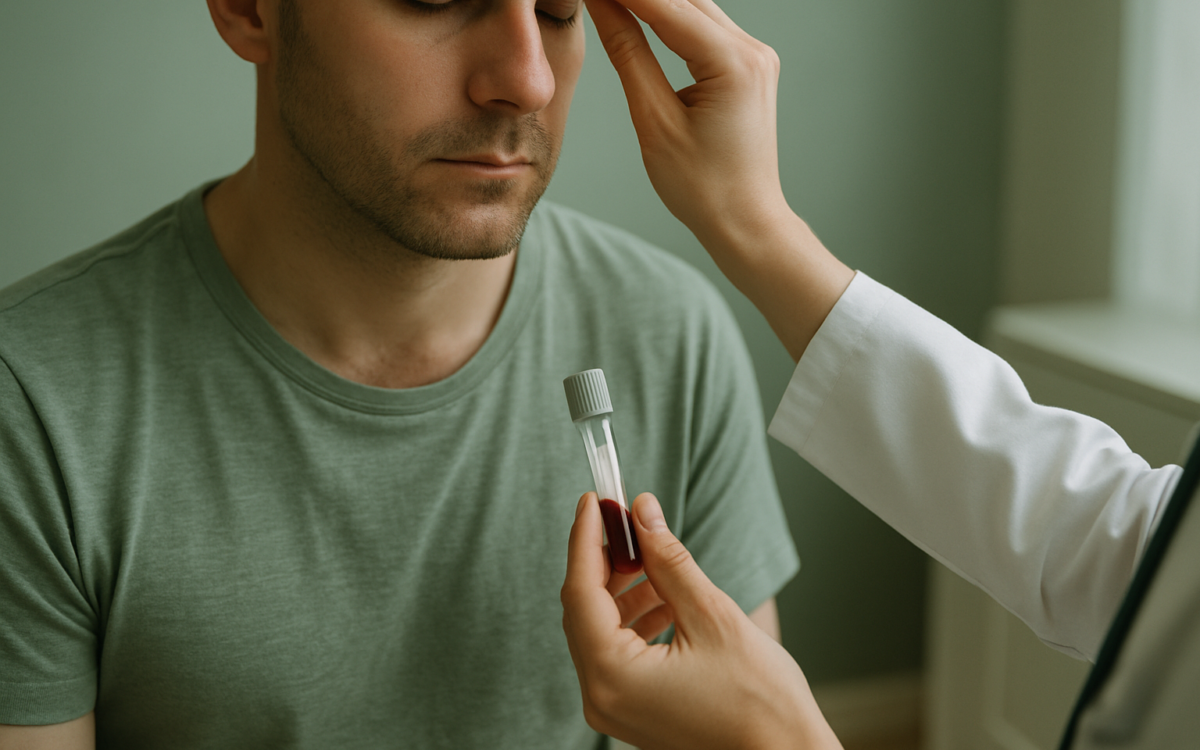
Testosterone is an important hormone in the body, primarily known for its role in male sexual development and reproduction. However, it also has significant effects on energy levels, mood, and muscle strength. As men age, some may experience declining testosterone levels, leading to a condition known as low testosterone (or hypogonadism). But what exactly is considered low testosterone, and how can one recognize this condition?
What is Low Testosterone?
Low testosterone is generally defined by testosterone levels that fall below a certain threshold. Though these levels can vary, a total testosterone level of less than 300 ng/dL (nanograms per deciliter) is considered low for adult males, according to the National Institutes of Health. Testosterone levels tend to vary based on age, health, and even time of day, with levels peaking in the morning.
Symptoms of Low Testosterone
Recognizing the symptoms of low testosterone is key to identifying whether you might be experiencing this condition. Some common symptoms include:
- Fatigue and decreased energy levels
- Reduced sexual desire or libido
- Difficulty achieving or maintaining an erection
- Loss of muscle mass and strength
- Increased body fat
- Mood changes, such as depression or irritability
Some men might not experience all these symptoms, and the severity can vary. Changes in testosterone levels can also manifest in varying ways across different individuals.
Causes of Low Testosterone
The causes of low testosterone can be diverse. Some of the more common factors include:
- Aging: Naturally, testosterone levels decrease as men age.
- Medical conditions: Conditions such as obesity, type 2 diabetes, and hormonal disorders can impact testosterone production.
- Injury or trauma: Damage to the testicles can affect testosterone production.
- Medications: Some medications can interfere with hormone levels.
- Stress: High-stress levels can affect hormonal balance.
Understanding the underlying causes is essential for addressing low testosterone effectively.
Diagnosis of Low Testosterone
If you suspect you may have low testosterone based on symptoms, it’s important to consult a healthcare provider. Typically, the diagnosis begins with a detailed medical history and a physical examination. Blood tests are used to measure testosterone levels. These tests are usually conducted in the morning when testosterone levels are highest, and may be repeated to confirm results.
Treatment Options for Low Testosterone
Should you be diagnosed with low testosterone, a variety of treatment options are available. These might include:
- Testosterone Replacement Therapy (TRT): This can involve testosterone injections, skin gels, patches, or pellets. TRT can help restore testosterone levels and alleviate symptoms.
- Lifestyle changes: Diet, exercise, and weight management can also have a positive impact on testosterone levels.
- Addressing underlying health issues: Managing co-existing conditions can help in improving testosterone levels.
However, it’s essential to consult with a healthcare professional before starting any treatment. They can help tailor the approach based on individual health conditions and needs.
When to See a Doctor
If you’re experiencing symptoms associated with low testosterone, it’s important to seek medical advice. A healthcare provider can give you guidance and conduct proper testing to help determine whether low testosterone is a concern for you. Mayo Clinic stresses that early intervention can help manage symptoms and improve quality of life.
Conclusion
Low testosterone can significantly affect well-being and overall health, but understanding what it is and how to identify it can empower men to take charge of their health. If you suspect low testosterone might be an issue, reach out to a healthcare provider for guidance. There is help available, and recognizing and addressing low testosterone can lead to improved health and happiness.
