
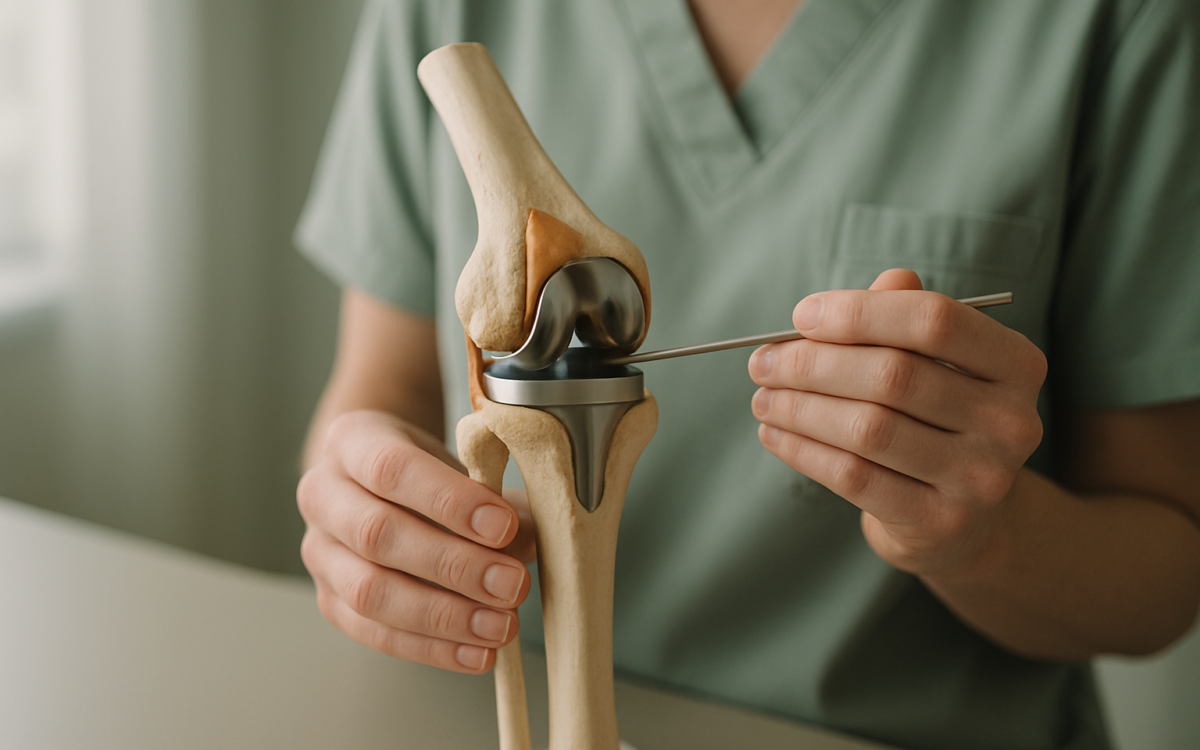
Arthroplasty might sound like a complicated medical term, but for many people, it represents a chance for a pain-free life. This surgical procedure is often sought after by individuals suffering from severe joint pain due to conditions like arthritis or injuries. If you’re curious about what arthroplasty involves, how it works, and what to expect, you’re in the right place.
What is Arthroplasty?
Arthroplasty refers to a surgical procedure that involves the reconstruction or replacement of a joint. The primary goal of arthroplasty is to relieve pain, restore function, and improve quality of life for those with joint problems. The most common types of arthroplasty include total joint replacement, partial joint replacement, and resurfacing techniques.
Understanding the Types of Arthroplasty
There are several forms of arthroplasty, each designed to address specific joint issues.
Total Joint Replacement
This is the most well-known type of arthroplasty. In total joint replacement, the damaged joint is completely removed and replaced with an artificial joint, usually made of metal, plastic, or ceramic. This procedure is most commonly performed on the hip and knee joints. For instance, a total knee replacement can provide significant relief for individuals suffering from osteoarthritis.
Partial Joint Replacement
Unlike total joint replacement, partial joint replacement replaces only the damaged parts of the joint. This might be appropriate for patients whose condition is not severe enough to warrant a full replacement. Partial replacements can be performed in the knee, hip, or shoulder.
Joint Resurfacing
This technique involves smoothing out the surface of the bone and then placing a metal cap on the joint. It’s typically used for younger patients to preserve as much natural bone as possible, delaying the need for a total joint replacement.
Reasons for Arthroplasty
Why would someone choose arthroplasty? Several conditions can make surgery necessary. The most common ones include:
- Osteoarthritis: This degenerative joint disease is the leading cause of joint pain and stiffness.
- Rheumatoid Arthritis: An autoimmune condition that causes painful inflammation and can damage joints.
- Post-traumatic Arthritis: Develops after injuries to the joint, such as fractures or severe sprains.
- Joint Deformities: Conditions present at birth or develop over time can make arthroplasty necessary.
The Procedure: What to Expect
Before the surgery, your doctor will conduct a thorough evaluation to determine if you’re a suitable candidate for arthroplasty. Generally, they will utilize imaging tests like X-rays or MRIs, alongside a physical examination, to assess the condition of your joints.
On the day of the procedure, you will receive anesthesia to ensure you’re comfortable. Depending on the type of arthroplasty, the surgery can last from one to several hours. Post-surgery, most patients will spend a day or two in the hospital for monitoring.
Recovery Process
After undergoing arthroplasty, it’s crucial to follow your doctor’s recovery plan. While every individual’s recovery may vary, the process generally involves:
- Physical Therapy: A structured rehabilitation program is essential to restore mobility and strength in the joint.
- Pain Management: Pain medications may be prescribed to help manage discomfort during the initial recovery period.
- Activity Restrictions: Your doctor will advise on the level of activity that’s safe during recovery, often recommending limits on weight-bearing activities.
International Considerations in Arthroplasty
If you’re considering arthroplasty, it’s worth exploring options beyond your local healthcare system. Countries like Turkey have become popular destinations for surgery due to advanced medical technology and skilled professionals. Facilities such as Acibadem International offer comprehensive care for international patients, from initial consultation through post-operative support. These centers often provide specialized teams dedicated to ensuring a smooth experience for those traveling abroad for surgery.
When to See a Doctor
If you’re experiencing persistent joint pain that hinders your daily activities, it’s time to consult with a healthcare professional. They can provide an accurate diagnosis and discuss whether arthroplasty or other treatment options might be right for you.
Recognizing the signs of wear and tear on your joints—like persistent pain, swelling, or a range of motion loss—can guide you to seek medical advice sooner rather than later. Early intervention can help prevent further joint damage and may lead to better surgical outcomes.
Conclusion
Arthroplasty can be life-changing for those suffering from chronic joint pain. By understanding the types, reasons, procedure, and recovery process associated with arthroplasty, you can make informed decisions about your health and discuss your options with your doctor. Always remember, every individual’s health journey is unique, and engaging in a conversation with your healthcare provider is key to finding the best path forward.
