
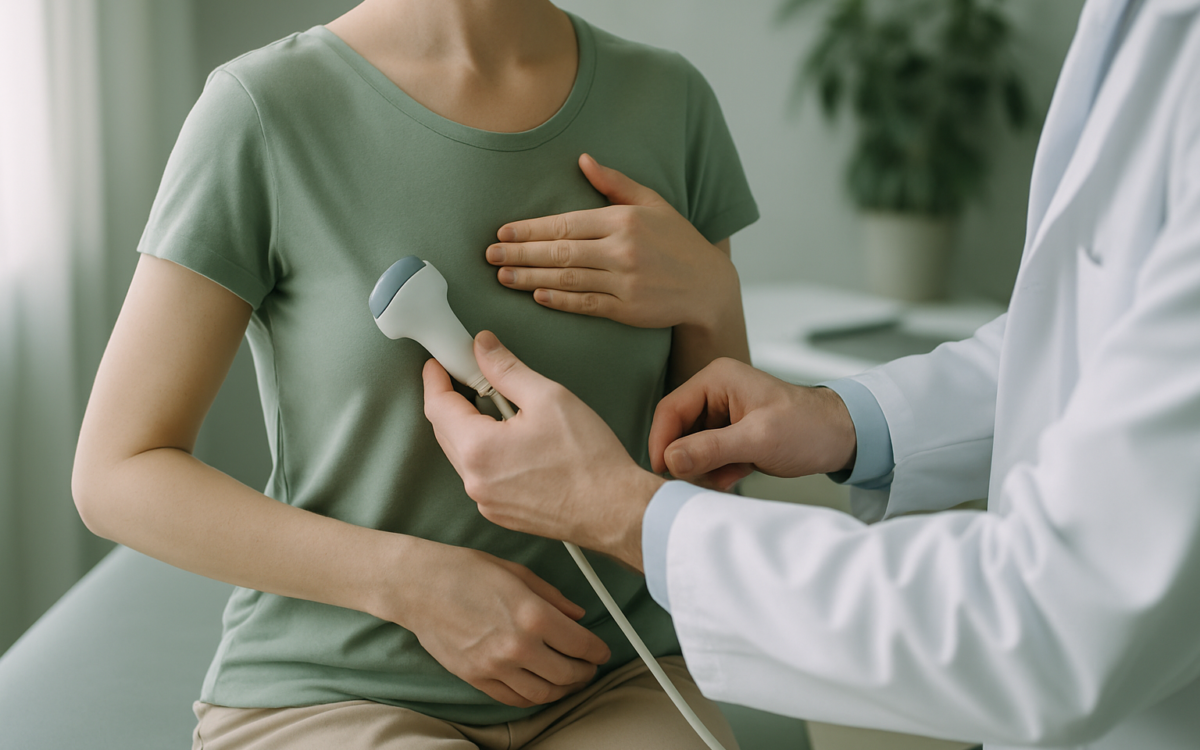
Cancer is a term that refers to a group of diseases where cells grow uncontrollably in the body. Early detection is vital and can significantly improve treatment outcomes. Knowing how to recognize the signs and what screenings to consider can empower you to take charge of your health.
Recognizing Common Symptoms
Many types of cancer develop silently, presenting few early symptoms. However, some general signs might indicate a problem:
- Unexplained Weight Loss: Losing weight without trying can be a warning sign, especially if it’s more than 10 pounds.
- Fatigue: Persistent tiredness that doesn’t improve with rest can be a symptom of several cancers.
- Persistent Pain: Ongoing pain in certain areas, particularly the back or joints, may require further investigation.
- Changes in Skin: New growths, changes in moles, or sores that do not heal should be checked out.
- Unusual Bleeding: Any unexplained bleeding — such as blood in urine, stool, or unusual discharge — can be serious.
If you notice any of these symptoms that don’t resolve, it’s important to consult your doctor.
Understanding Risk Factors
Certain factors can increase your risk of developing cancer. While some factors, like genetics, are beyond our control, understanding them can help you make proactive choices:
- Age: The risk of cancer generally increases as you get older.
- Family History: A family history of cancer can increase your likelihood of developing the disease.
- Lifestyle Choices: Smoking, excessive alcohol consumption, and poor diet are linked to various cancers.
- Exposure to Carcinogens: Certain chemicals or radiation can increase your risk of certain types of cancer.
Being aware of your risk factors can motivate you to take preventive measures.
Screening Tests and Recommendations
Regular screening tests can catch some cancers early, often before symptoms occur. Here’s a brief overview of common cancer screenings:
- Breast Cancer: Women should discuss mammograms with their doctor starting at age 40 or earlier if at high risk.
- Cervical Cancer: Women should have Pap smears and HPV tests starting at age 21.
- Colorectal Cancer: Screening options begin at age 45 for both men and women, with various available tests.
- Lung Cancer: Annual low-dose CT scans are recommended for high-risk individuals aged 50-80.
Speak with your healthcare provider about which screenings are right for you and the frequency at which you should have them. For more detailed guidelines on cancer screenings, consult reputable sources like the CDC.
Self-Examination and Awareness
Being proactive about self-exams can help you notice changes early on. Here are some ways to keep a lookout:
- Breast Self-Examination: Familiarize yourself with your breasts, and report any abnormal changes.
- Testicular Self-Examination: Men can perform self-exams monthly to check for any unusual lumps or changes.
- Skin Checks: Regularly examine your skin for new moles or changes in existing ones.
Early detection through self-exams can play a critical role in successful treatment.
Importance of Lifestyle Choices
While not all cancers are preventable, certain lifestyle choices can lower your risk. Consider these strategies:
- A Balanced Diet: Eating a variety of fruits, vegetables, and whole grains can support overall health.
- Regular Exercise: Staying physically active can help maintain a healthy weight and reduce cancer risk.
- Avoid Tobacco: Quitting smoking and avoiding second-hand smoke significantly reduce your cancer risk.
- Limiting Alcohol: If you drink, do so in moderation — generally defined as up to one drink per day for women and two for men.
Making these changes can contribute to a healthier, cancer-resistant lifestyle.
When to See a Doctor
Be vigilant about your health and consult a doctor if you notice persistent changes or symptoms mentioned earlier. Regular check-ups and open discussions with your healthcare provider about your health and risk factors are also essential.
Conclusion
Discovering cancer early can make a significant difference in treatment effectiveness and outcomes. By staying aware of symptoms, understanding your risk factors, participating in recommended screenings, and leading a healthy lifestyle, you increase your chances of catching potential issues sooner. Remember, never hesitate to consult your doctor with concerns or questions about your health.
