
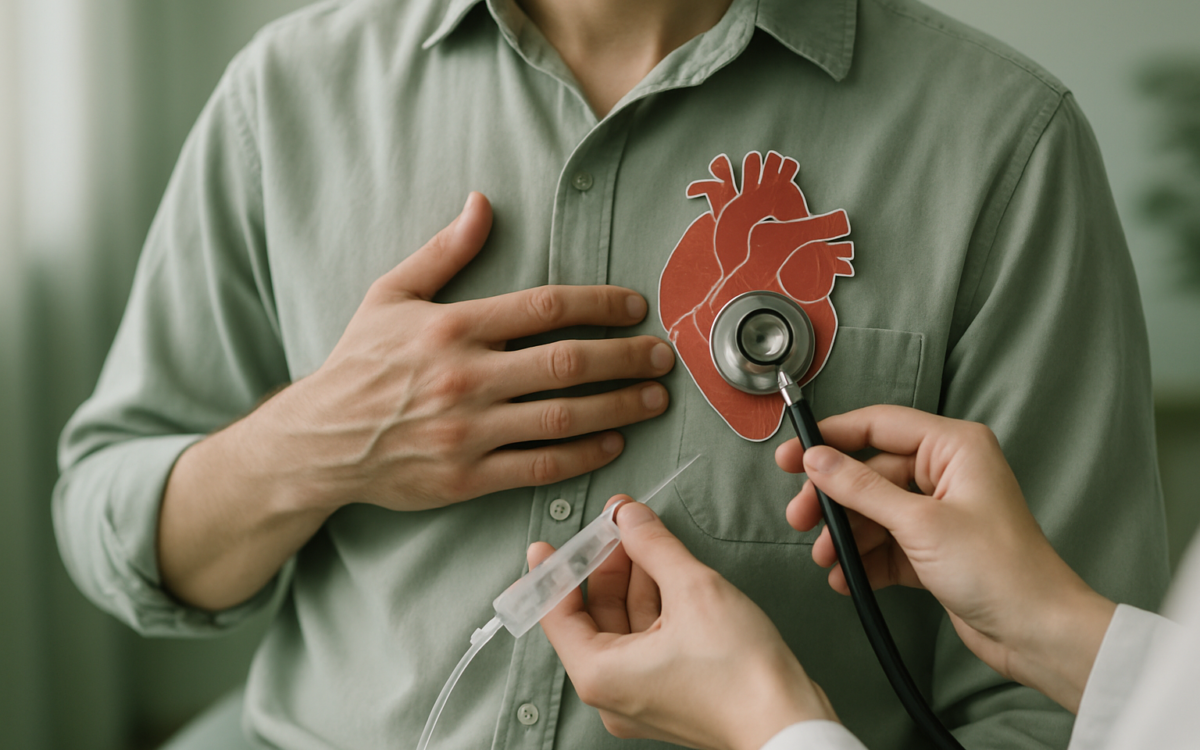
The heart is a vital organ that pumps blood throughout the body, supplying oxygen and nutrients to tissues and organs. Damage to the heart can range from mild to severe and may lead to significant health issues. Understanding treatment options is crucial for those affected by heart damage. In this article, we will explore various treatment avenues, lifestyle changes, and important considerations for recovery.
What Causes Heart Damage?
Heart damage can be caused by various factors, including:
- Coronary artery disease: This condition occurs when the arteries supplying blood to the heart become narrowed or blocked due to plaque buildup.
- Heart attack: A heart attack happens when blood flow to a part of the heart is blocked, causing tissue damage.
- Cardiomyopathy: This disease affects the heart muscle, making it difficult for the heart to pump blood efficiently.
- Arrhythmias: Abnormal heart rhythms can strain the heart and lead to damage over time.
Diagnosing Heart Damage
Diagnosing heart damage often involves a series of tests and evaluations. Tests may include:
- Electrocardiogram (ECG): This test records the electrical activity of the heart and helps identify irregularities.
- Echocardiogram: This ultrasound test visualizes the heart’s structure and function, revealing areas of damage.
- Stress tests: Patients may perform exercise or receive medication to simulate exercise conditions while monitoring heart function.
If you notice symptoms such as chest pain, shortness of breath, or extreme fatigue, it’s important to consult a healthcare professional.
Available Treatments for Heart Damage
Treatment for heart damage depends on the cause and severity of the condition. Here are some common treatment options:
Medications
Medications play a crucial role in managing heart damage. Common types include:
- Antiplatelet agents: Medications like aspirin help prevent blood clots.
- Beta-blockers: These drugs reduce heart workload and lower blood pressure.
- ACE inhibitors: Used to relax blood vessels and decrease blood pressure.
- Statins: Help lower cholesterol levels and reduce the risk of further heart issues.
Lifestyle Changes
Adopting heart-healthy lifestyle changes can significantly aid recovery and prevent further damage. Key changes include:
- Balanced diet: Focus on fruits, vegetables, whole grains, lean proteins, and healthy fats while reducing sodium and processed foods.
- Regular exercise: Aim for at least 150 minutes of moderate aerobic activity per week, as recommended by the CDC.
- Quitting smoking: Avoid tobacco to reduce heart disease risk.
- Managing stress: Techniques such as meditation, yoga, and deep breathing can lower stress levels.
Surgical Interventions
In more severe cases, surgical options may be necessary. Some procedures include:
- Angioplasty and stenting: A procedure to open blocked arteries and insert a small tube to keep them open.
- Coronary artery bypass grafting (CABG): This surgery creates a new route for blood to flow to the heart by bypassing blocked arteries.
- Heart valve repair or replacement: If heart valves are damaged, surgery may be needed to repair or replace them.
Rehabilitation and Recovery
Cardiac rehabilitation is a medically supervised program designed to improve heart health after damage. It typically includes:
- Exercise training: Customized exercise plans to improve cardiovascular fitness.
- Nutritional counseling: Guidance from dietitians to develop heart-healthy eating habits.
- Education: Information about heart health and management of risk factors.
Participating in a rehabilitation program can enhance recovery, improve quality of life, and reduce the chances of future heart problems.
Monitoring Your Heart Health
Regular follow-ups with healthcare providers are essential for monitoring heart health. This may involve:
- Routine check-ups: Assessing heart function and overall health.
- Blood tests: Checking cholesterol, blood sugar, and other markers.
- Adjusting medications: Based on ongoing evaluations and health changes.
When to See a Doctor
If you experience symptoms such as persistent chest pain, shortness of breath, irregular heartbeats, or extreme fatigue, consult a healthcare professional right away. Early detection and treatment are vital in preventing further damage to the heart.
It’s essential to stay proactive about heart health. Regular check-ups, being aware of symptoms, and adopting a healthier lifestyle can provide lasting benefits.
In Conclusion
Heart damage can be a serious condition, but various treatment options are available to support recovery. From medications and lifestyle changes to surgical interventions and rehabilitation, understanding these options can empower those affected to take charge of their heart health. Always consult with a healthcare provider to find the best treatment path tailored to your specific needs.
