
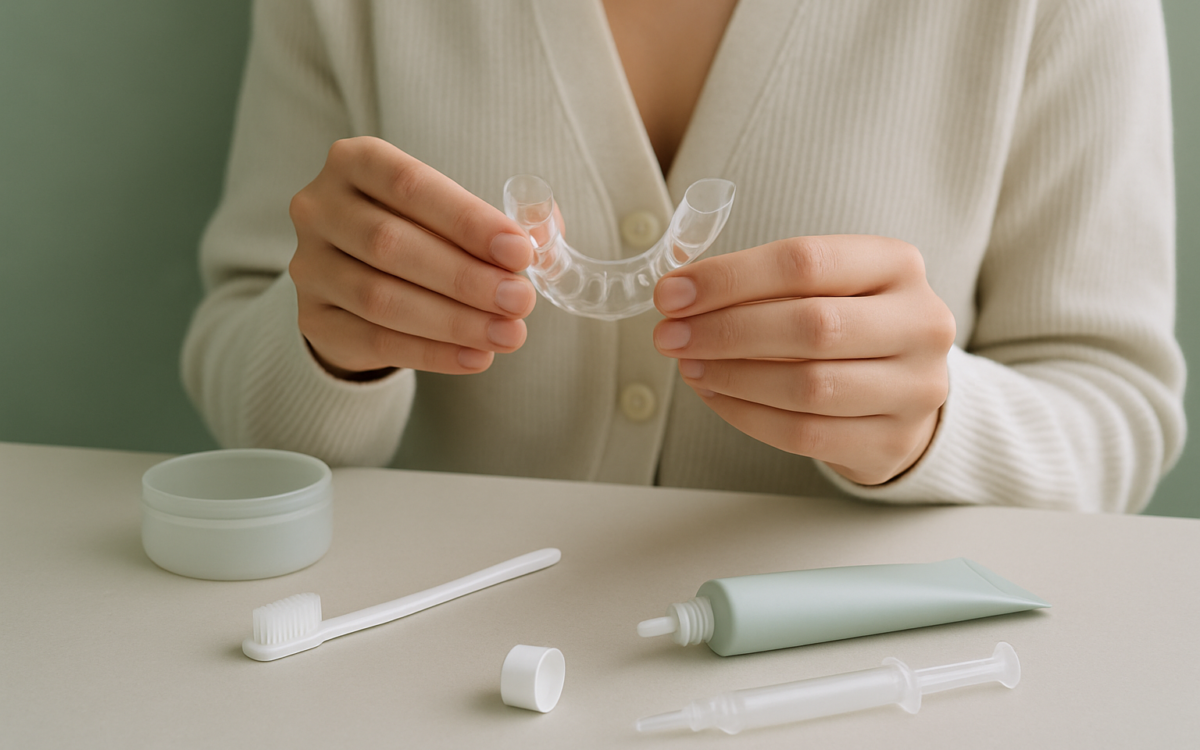
A bright smile can significantly impact your confidence, and for many, dental whitening is an appealing way to achieve whiter teeth. While professional treatments offer immediate results, home whitening methods can be effective, safe, and economical. This guide will explore various techniques and products available for dental whitening at home, helping you make an informed choice for your smile.
Understanding Dental Whitening
Dental whitening involves removing stains and discolorations from teeth to enhance their brightness. Teeth can become stained due to multiple factors, including food and drink, personal habits such as smoking, and even the natural aging process. Whitening methods generally fall into two categories: professional treatments and at-home options.
Common At-Home Whitening Methods
There are a variety of methods you can use to whiten your teeth at home. Here are some popular options:
1. Whitening Toothpastes
Many brands offer whitening toothpastes that contain mild abrasives to help remove surface stains. These toothpastes may also contain gentle chemical agents to fight stains. While they can be a simple addition to your oral care routine, results may take longer to show compared to other methods. According to the NIH, whitening toothpastes can be effective for minor stains, but they do not change the natural color of your teeth.
2. Whitening Strips
Whitening strips are thin, flexible pieces of plastic coated with a peroxide-based whitening gel. They are applied directly to the teeth and typically worn for a specified duration each day for one to two weeks. Many users find that whitening strips can yield noticeable results. It’s essential to follow the instructions carefully, as overuse can lead to tooth sensitivity. The Mayo Clinic notes that these products should not be used excessively, as they can potentially damage enamel.
3. Custom Trays and Gels
Custom dental trays can be obtained from a dentist, or you can purchase over-the-counter kits that come with a standard tray. These gels may have a higher concentration of bleaching agents than typical whitening toothpaste. While results can be very effective, the cost of dentist-provided trays can be higher than over-the-counter options. Remember, it’s crucial to consult your dentist before using these products to ensure they are appropriate for your teeth.
4. Natural Remedies
Some people prefer natural methods for whitening their teeth. Here are a few popular home remedies:
- Baking Soda: A mild abrasive that can remove surface stains. Mix baking soda with water to form a paste and use it sparingly, as excessive use can wear down enamel.
- Hydrogen Peroxide: Known for its bleaching properties, hydrogen peroxide can be diluted with water and used as a mouth rinse. However, it should be used with caution to prevent gum irritation.
- Activated Charcoal: This remedy is believed to absorb toxins and stains. Brush with it gently, but be aware that the abrasiveness can damage teeth if used too often.
While some natural remedies may show results, scientific support for their effectiveness varies. Always consult your dentist before trying any home remedy.
Things to Consider Before Starting Your Whitening Journey
Before diving into dental whitening, it’s essential to consider these factors:
- Dental Health: If you have cavities, gum disease, or sensitive teeth, whitening may not be suitable for you. It’s best to address any dental issues prior to whitening.
- Stain Source: Understanding the cause of your discoloration can help in choosing the right whitening method. For instance, stains from foods and drinks might respond well to over-the-counter products, but stains from medications might require professional help.
- Skin Sensitivity: Some individuals have sensitive teeth and gums; always perform a patch test with any new product to gauge your sensitivity.
Maintaining good oral hygiene is also crucial for achieving and maintaining the results of any whitening procedure.
Managing Expectations and Results
It’s essential to have realistic expectations when it comes to dental whitening at home. While many people see significant improvements, results can vary widely depending on the method used, the concentration of the bleaching agent, and the initial color of your teeth. Additionally, some methods may take longer to show visible results compared to others.
Whitening should ideally enhance your smile without compromising your dental health. If you experience prolonged sensitivity or discomfort after using a whitening product, it may be best to stop using it and consult your dentist.
When to See a Doctor
If you have dental concerns that might affect your ability to whiten your teeth safely, consult your dentist before starting any home whitening regimen. This is particularly important if you have:
- Severe tooth sensitivity
- Unresolved dental issues, such as cavities or gum disease
- Other underlying health conditions that may be affected by whitening treatments
Your dentist can help you determine the most effective and safe whitening options tailored to your individual needs.
In summary, dental whitening at home can be a convenient way to brighten your smile without heading to the dentist’s office. By exploring the different methods available and keeping your dental health in mind, you can find an option that works for you. Remember, a consultation with your dentist is always a good first step to ensuring the health and safety of your teeth while aiming for that brighter smile.
