
We all want a bright, white smile. It boosts our confidence and makes us feel great. If you’re considering teeth whitening, you might be thinking about doing it at home. Thankfully, there are several methods you can try. In this article, we’ll explore popular teeth whitening techniques that you can safely use without leaving your house.
Understanding Teeth Discoloration
To effectively whiten your teeth, it’s important to understand why they become discolored in the first place. Stains can be categorized into two types: extrinsic and intrinsic. Extrinsic stains reside on the surface of the teeth and are often caused by foods, beverages, or habits like smoking. Coffee, red wine, tea, and berries are common offenders.
Intrinsic stains are deeper, affecting the inner structure of the tooth and usually caused by factors like aging, certain medications, or dental trauma. Knowing the type of stain you’re dealing with can help you choose the right whitening method.
Popular Home Whitening Methods
There are various methods for whitening your teeth at home, some of which are more effective and safe than others. Below are some popular options:
Baking Soda and Hydrogen Peroxide
A common DIY method involves using baking soda and hydrogen peroxide. Baking soda is a mild abrasive that helps scrub away stains, while hydrogen peroxide acts as a bleaching agent. To use this method:
- Mix one tablespoon of baking soda with two tablespoons of hydrogen peroxide to form a paste.
- Brush your teeth with the paste for about two minutes.
- Rinse well with water.
Use this method no more than a few times a week to avoid damaging your enamel.
Coconut Oil Pulling
Coconut oil pulling is a traditional practice that involves swishing coconut oil in your mouth. While research regarding its effectiveness in whitening teeth is limited, some people find it beneficial for overall oral health. To try it:
- Take a tablespoon of coconut oil and swish it in your mouth for 10-20 minutes.
- Spit the oil into the trash (not the sink, as it can clog pipes).
- Brush your teeth afterward.
Regular use may help reduce bacteria and improve gum health.
Activated Charcoal
Activated charcoal has become popular in recent years as a natural teeth whitener. It’s thought to bind to toxins and stains, helping to polish your teeth. Here’s how to use it:
- Wet your toothbrush and dip it into activated charcoal powder.
- Brush gently for about two minutes.
- Rinse your mouth thoroughly, ensuring all charcoal particles are removed.
Use activated charcoal sparingly, as it may wear down enamel if used too often.
Over-the-Counter Whitening Products
If you prefer a more straightforward approach, there are many over-the-counter teeth whitening products you can consider. These typically include:
- Whitening strips: Thin, flexible strips that contain a whitening gel, applied directly to the teeth.
- Whitening toothpaste: Contains mild abrasives and chemicals specifically designed to help stain removal.
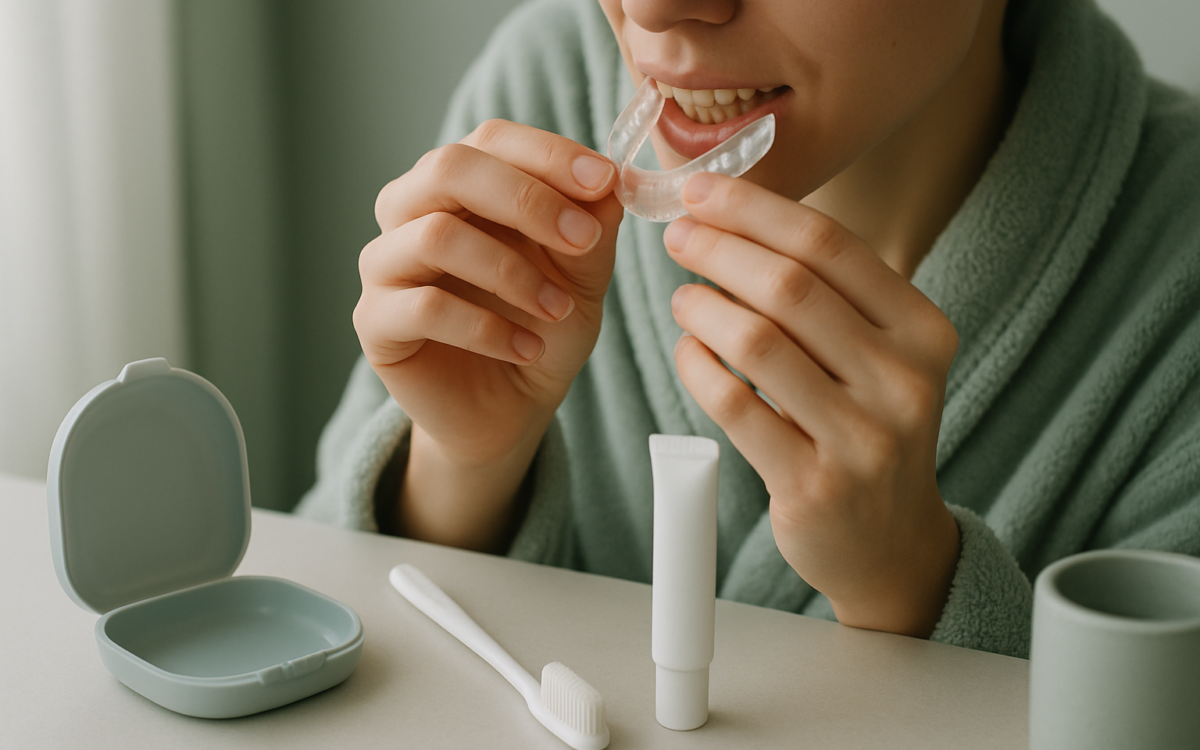
- Whitening trays: Custom or one-size-fits-all trays filled with a whitening gel that you wear for a specified period.
When using these products, follow the instructions carefully to avoid gum irritation or enamel damage.
Maintaining Your Bright Smile
Once you’ve achieved your desired level of whiteness, it’s important to maintain it. Here are some tips:
- Limit staining foods and drinks. If you indulge, rinse your mouth with water afterwards.
- Practice good oral hygiene: Brush twice a day and floss daily.
- Visit your dentist regularly for cleanings.
- Consider touch-up treatments with over-the-counter products to maintain your results.
Building these habits can help keep your smile bright and beautiful for longer.
Risks and Considerations
While many home whitening methods are generally safe, there are important considerations. Excessive use of whitening products can lead to:
- Tooth Sensitivity: Some people experience increased sensitivity to hot and cold that may subside after stopping treatment.
- Gum Irritation: Whitening gels and pastes can irritate the gums, leading to discomfort.
- Enamel Damage: Overuse of abrasive substances can wear down enamel, making your teeth more vulnerable to decay.
For more information on teeth whitening risks, consider reviewing resources from reputable organizations like the Mayo Clinic or checking guidelines from the National Institutes of Health.
When to See a Doctor
If you have persistent stains despite home whitening efforts, or if you experience pain or heavy sensitivity, it’s a good idea to consult your dentist. They can help identify the underlying cause of discoloration and recommend appropriate treatments.
Conclusion
Teeth whitening at home can be a safe and effective way to enhance your smile. With a variety of methods available, you can find the one that works best for you. Remember to approach home whitening with care, maintain good oral hygiene, and consult your dentist as needed. A bright smile is within your reach!
