
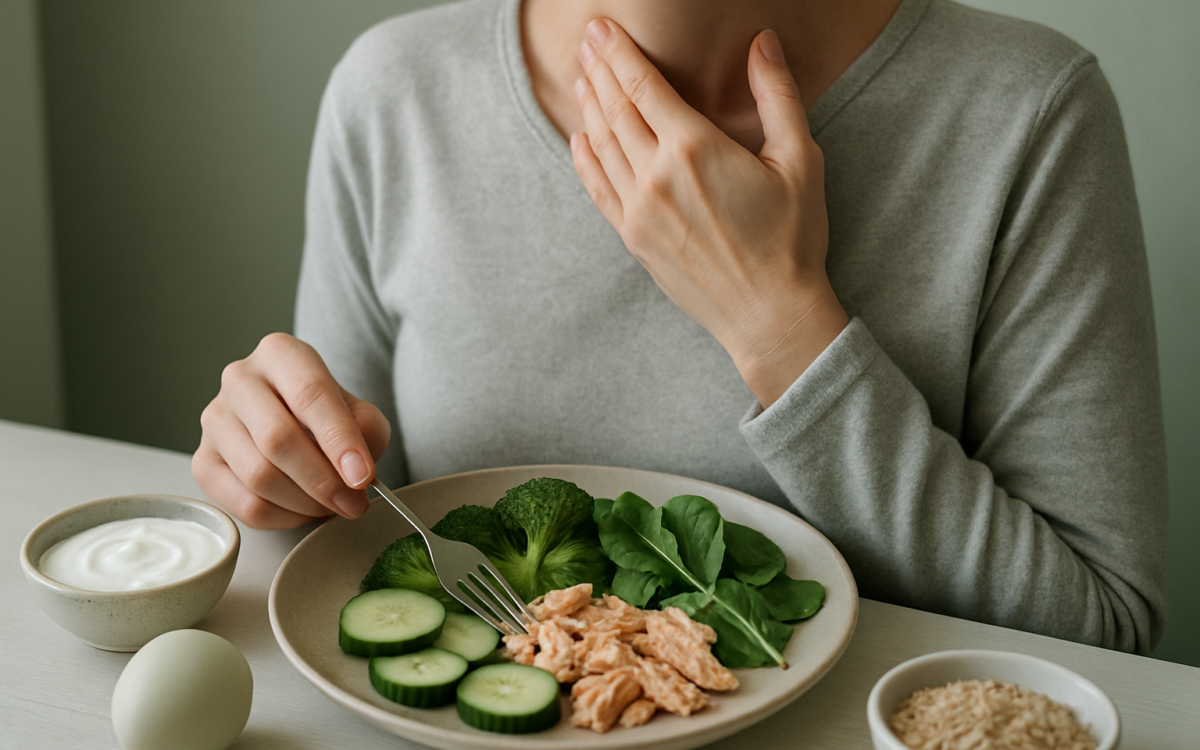
An underactive thyroid, or hypothyroidism, is a condition where your thyroid gland doesn’t produce enough hormones. This can lead to various health issues, including fatigue, weight gain, and depression. While medication is the primary treatment for hypothyroidism, many people find that dietary choices can play a supportive role in managing their symptoms. This article explores which foods may help nourish your body and support thyroid health.
Understanding Your Thyroid and Diet
Before diving into specific foods, it’s important to understand how your thyroid works. The thyroid gland is responsible for producing hormones that regulate metabolism, energy levels, and even mood. When it isn’t functioning properly, it can affect many aspects of your daily life. While medication can help normalize hormone levels, the right diet can also support overall health.
Essential Nutrients for Thyroid Health
Certain nutrients are crucial for maintaining thyroid function. Integrating these nutrients into your diet is important if you have an underactive thyroid.
Iodine
Iodine is essential for the production of thyroid hormones. A deficiency can lead to an underactive thyroid. However, it’s important to consume iodine in moderation because excess iodine can also lead to thyroid dysfunction. Common sources of iodine include:
- Iodized salt
- Seafood (especially fish and seaweed)
- Dairy products
- Eggs
Selenium
Selenium plays a critical role in the conversion of the thyroid hormone thyroxine (T4) into its active form, triiodothyronine (T3). Low selenium levels can lead to an increase in thyroid antibodies in autoimmune thyroid disease. Foods rich in selenium include:
- Brazil nuts
- Fish (like sardines and salmon)
- Sunflower seeds
- Mushrooms
Zinc
Zinc is another mineral necessary for the production of thyroid hormones. A deficiency can impact thyroid function. Foods high in zinc include:
- Meat (beef, lamb, pork)
- Shellfish
- Beans and legumes
- Nuts and seeds
Foods to Incorporate Into Your Diet
In addition to understanding which nutrients are crucial, knowing specific foods that will benefit your thyroid health is vital. Here are some recommendations:
Fruits and Vegetables
Fruits and vegetables are packed with vitamins, minerals, and antioxidants that promote overall health. Some particularly beneficial ones for thyroid health include:
- Leafy greens (e.g., spinach, kale)
- Cruciferous vegetables (in moderation), such as broccoli and cauliflower
- Blueberries
- Oranges
Whole Grains
Whole grains provide fiber and help regulate digestion, which can be beneficial since hypothyroidism often slows metabolism. Consider these choices:
- Quinoa
- Brown rice
- Oats
- Whole wheat bread
Lean Proteins
Protein is necessary for maintaining muscle mass and energy levels, especially when metabolism is slow. Good sources of lean protein include:
- Chicken and turkey
- Fish and seafood
- Tofu and legumes
- Low-fat dairy products
Foods to Limit or Avoid
While some foods are beneficial, others can hinder thyroid function. Consider minimizing or avoiding these foods:
Goitrogens
Goitrogens are substances that can interfere with thyroid hormone production. They are found in some foods, especially when consumed raw. Foods to limit include:
- Cruciferous vegetables (when raw, such as cabbage and Brussels sprouts)
- Soy products (tofu, soy milk)
Cooking these foods often inactivates goitrogens, making them safer to eat.
Sugar and Processed Foods
High sugar and refined carbs can lead to weight gain and instability in blood sugar levels, exacerbating symptoms of hypothyroidism. Aim to limit:
- Pastries and sugary snacks
- Fast food
- Processed meats
Hydration and Lifestyle Factors
Staying hydrated is important for overall health and helps in various bodily functions. Aim for at least 8 cups of water per day, but individual needs may vary.
Additionally, regular exercise can help boost metabolism and energy levels. Try to incorporate activities you enjoy, whether it’s walking, cycling, or yoga.
When to See a Doctor
If you suspect you have an underactive thyroid, or if your symptoms worsen despite dietary changes, it’s essential to consult a healthcare provider. They can conduct tests to determine thyroid hormone levels and discuss appropriate treatment options. It’s also crucial to work with a doctor if you’re considering making significant changes to your diet, especially if you are already on thyroid medication.
Conclusion
Nourishing your body through a balanced diet can positively impact your life with an underactive thyroid. While certain foods can support your thyroid health, always remember that medication is key in managing hypothyroidism. Consult your doctor for personalized guidance and make dietary changes that align with your health goals.
