
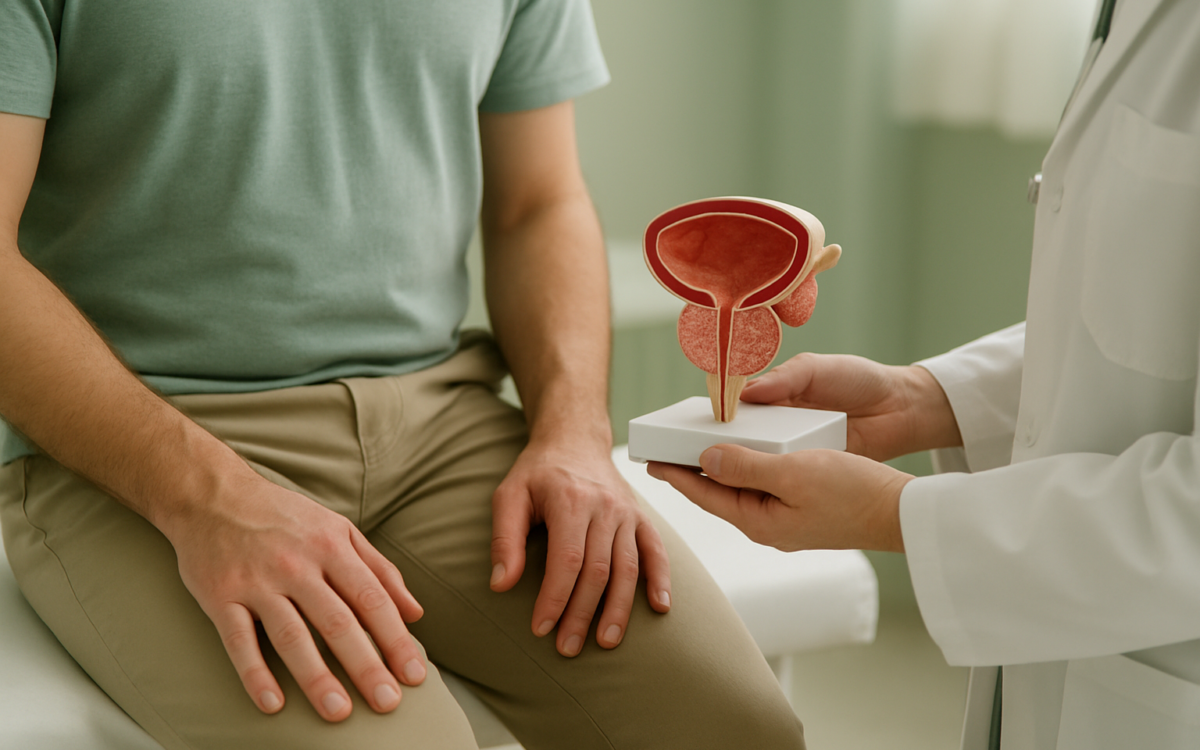
The prostate is a small gland located below the bladder in men. Despite its small size, it plays a vital role in various aspects of male health, particularly in reproduction. Understanding the prostate’s purpose and functions can help men maintain their health and seek timely medical advice when needed.
The Anatomy of the Prostate
The prostate is shaped like a walnut and surrounds the urethra, the tube responsible for carrying urine from the bladder out of the body. Its anatomical positioning puts it in close contact with other critical male reproductive structures, including the seminal vesicles and the bladder. This location is essential for the gland’s functions, which will be explored further.
The Primary Functions of the Prostate
The primary purpose of the prostate is to produce seminal fluid, a key component of semen. This fluid serves several important functions:
- Buffering: Seminal fluid helps neutralize the acidity of the vaginal environment, promoting the survival and mobility of sperm.
- Nourishment: It contains sugars and other nutrients that provide energy for sperm, helping them to swim and reach the egg.
- Transport: The fluid helps transport sperm during ejaculation, allowing for effective reproduction.
Additionally, the prostate secretes several enzymes and proteins that have roles in semen quality. Thus, it contributes significantly to male fertility.
Additional Roles in Overall Male Health
Beyond its reproductive functions, the prostate gland is also essential for overall male health. Here’s how:
- Hormonal Regulation: The prostate interacts with hormones such as testosterone, playing a role in the development and maintenance of male characteristics.
- Sexual Function: A healthy prostate is important for normal erectile function and ejaculation, which are vital aspects of sexual activity.
- Urinary Health: The prostate’s proximity to the bladder means it can also influence urinary function, affecting the flow and control of urine.
Given these roles, maintaining prostate health is crucial not just for reproductive functions but for overall well-being.
Common Prostate Problems
Understanding the potential issues that can arise with prostate health is vital. Here are some common conditions:
- Benign Prostatic Hyperplasia (BPH): This condition involves an enlargement of the prostate, which can lead to urinary difficulties.
- Prostatitis: Inflammation of the prostate, which can cause pain and discomfort in the pelvic area and disrupt urinary function.
- Prostate Cancer: One of the most serious concerns, prostate cancer can develop silently and may require regular screenings to detect early.
Prostate Health: Lifestyle and Monitoring
Maintaining a healthy prostate involves a combination of lifestyle choices and regular medical check-ups. Here are a few tips:
- Regular Exercise: Engaging in physical activity can help control weight and promote overall health, which may reduce the risk of prostate issues.
- Healthy Diet: A diet rich in fruits, vegetables, and healthy fats can benefit prostate health. Some studies suggest that foods high in antioxidants and omega-3 fatty acids may be particularly beneficial.
- Regular Screenings: Men, especially those over 50 or with a family history of prostate issues, should discuss screening options with their healthcare provider.
When to See a Doctor
While many men experience some prostate changes as they age, certain symptoms should prompt a visit to a healthcare professional. Consider scheduling an appointment if you notice:
- Frequent or painful urination
- Blood in urine or semen
- Difficulty starting or stopping urination
- Pain during ejaculation
- Persistent pelvic or lower back pain
Identifying potential issues early can lead to better outcomes and can sometimes be managed more effectively when caught in the early stages.
Conclusion
The prostate is a small yet significant gland that serves vital functions in male reproduction and overall health. Understanding the purpose of the prostate and its potential issues can empower men to take proactive steps towards their health. Keeping an eye on prostate health and being aware of when to seek help is essential for living a long and healthy life.
