
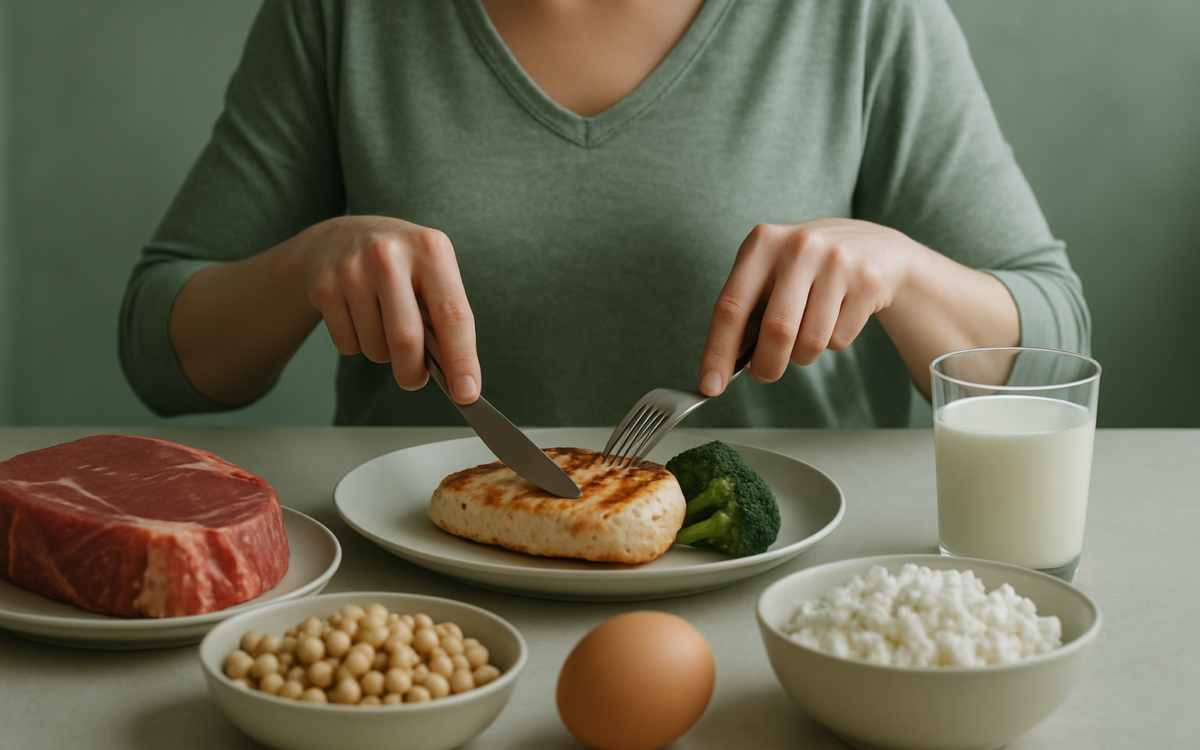
In recent years, high-protein diets have gained popularity among fitness enthusiasts and health-conscious individuals alike. Whether you’re trying to lose weight, build muscle, or simply improve your overall health, a heavy protein diet can offer various benefits. However, like any nutritional approach, it comes with its own set of considerations. Let’s break down the key aspects of a heavy protein diet to help you make informed decisions.
What is a heavy protein diet?
A heavy protein diet typically involves consuming significantly more protein than the average person’s daily intake. While recommendations vary, many nutritionists suggest that protein should make up about 10% to 35% of your daily calories. For someone following a heavy protein diet, that percentage can be much higher, often ranging from 25% to 50% of total caloric intake.
This diet can include a variety of protein-rich foods, such as:
- Lean meats (chicken, turkey, beef)
- Fish and seafood
- Eggs
- Dairy products (Greek yogurt, cheeses)
- Legumes (beans, lentils)
- Nuts and seeds
- Protein supplements (powders, bars)
Health benefits of a heavy protein diet
There are several potential benefits to increasing your protein intake significantly. Here are some of the key advantages:
1. Supports muscle growth and repair
Protein plays a crucial role in building and repairing tissues, making it essential for athletes or those engaging in regular physical activity. Studies have shown that higher protein intake can lead to increased muscle mass and strength, particularly when combined with resistance training ([Cleveland Clinic](https://www.clevelandclinic.org)).
2. Aids in weight management
High-protein diets can help with weight loss or maintenance. Protein-rich foods are often more filling than carbohydrates or fats, which can lead to reduced overall calorie intake. Moreover, the thermic effect of food, which is the energy expended during digestion, is higher for protein, meaning your body burns more calories processing it compared to carbs or fats.
3. Maintains healthy bones
Contrary to popular belief that high protein may harm bone health, some studies indicate that higher protein intake can help maintain bone density and reduce the risk of fractures, especially in older adults. Adequate protein, along with other nutrients, can support overall skeletal health ([NIH](https://www.ncbi.nlm.nih.gov/)).
Potential risks of a heavy protein diet
While there are numerous benefits, it’s essential to be aware of potential risks associated with a heavy protein diet:
1. Kidney strain
For individuals with pre-existing kidney conditions, a high protein intake may exacerbate issues by increasing the kidneys’ workload. If you have kidney problems, consult a healthcare professional before making any changes to your diet.
2. Nutrient imbalances
Focusing too heavily on protein can lead to a lack of essential nutrients typically found in fruits, vegetables, and grains. A well-rounded diet is vital for overall health, so it’s crucial to balance protein intake with a variety of other food groups.
3. Digestive issues
Some people may experience digestive discomfort, such as constipation or bloating, when consuming excessive protein. This is often due to a lack of fiber, which is more abundant in plant-based foods. Incorporating fiber-rich foods into your diet can help alleviate these symptoms.
Guidelines for a balanced heavy protein diet
To safely implement a heavy protein diet, consider these guidelines:
- Start gradually: If you’re not used to a higher protein intake, gradually increase your consumption to give your body time to adjust.
- Choose quality sources: Opt for lean proteins, seafood, and plant-based proteins for a balanced approach. Avoid excessive amounts of processed meats.
- Pay attention to hydration: Increased protein intake can impact hydration levels, so be sure to drink plenty of water.
- Incorporate variety: Include a range of protein sources in your diet to obtain all essential amino acids and nutrients.
- Consider international perspectives: Although dietary practices vary, some cultures emphasize protein-rich foods combined with vegetables and grains. Explore different cuisines, such as those found at acibademinternational.com, for inspiration on building a healthy plate.
When to see a doctor
If you’re considering a significant dietary change, it’s important to consult with a healthcare professional or a registered dietitian, especially if you have any underlying health conditions. Signs that you should seek medical advice include:
- Persistent digestive issues
- Unexplained weight loss
- Existing kidney problems
- Fatigue or weakness
Conclusion
A heavy protein diet can be beneficial for many people, particularly those looking to gain muscle or maintain weight. However, understanding the potential risks and following guidelines for balance is essential for long-term health. Always consult a healthcare provider to create a diet plan tailored to your needs, and enjoy your journey toward a healthier lifestyle with the right approach to protein!
