
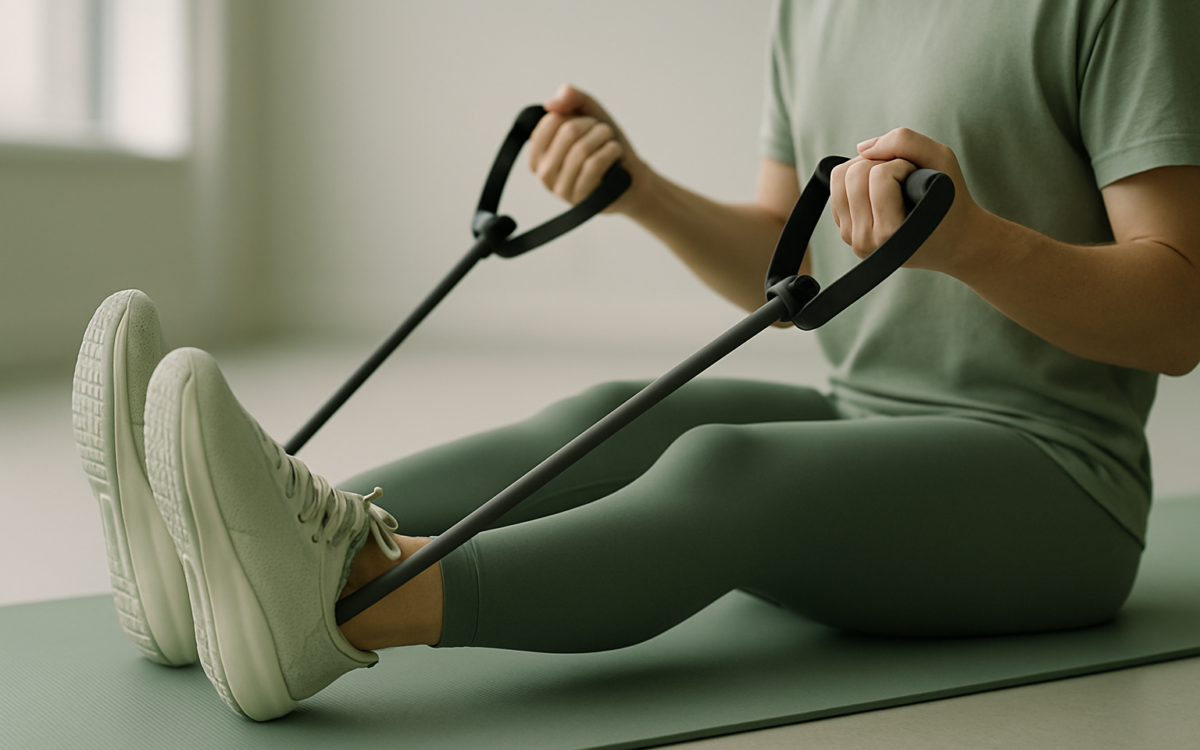
Resistance workout exercises are a fantastic way to improve your strength and overall fitness. Whether you’re a beginner or a seasoned gym-goer, understanding how to incorporate these exercises can help you reach your goals. In this article, we’ll explore the benefits of resistance training and provide a range of effective exercises you can try.
What is Resistance Training?
Resistance training, also known as strength training, is a form of exercise that improves muscle strength and endurance. It involves working against a force, such as weights or resistance bands, to stimulate muscle growth. This type of training not only tones your body but also has numerous health benefits, including improving bone density and enhancing metabolic rate.
Benefits of Resistance Workout Exercises
- Increased Muscle Strength: Regular resistance training helps build and maintain muscle mass.
- Weight Management: It can aid in weight loss and help maintain a healthy weight by increasing your metabolism.
- Improved Bone Health: Strength training enhances bone density, reducing your risk of osteoporosis.
- Enhanced Functional Fitness: These exercises improve your ability to perform daily activities more easily.
Research suggests that engaging in regular resistance training can significantly improve functional abilities and overall health. For more information on these benefits, you can visit resources like the NIH.
Essential Resistance Workout Exercises
Here’s a list of some essential resistance workout exercises that you can incorporate into your fitness routine:
1. Squats
Squats are a fundamental exercise that strengthens your quads, hamstrings, and glutes. To perform a squat:
- Stand with your feet shoulder-width apart.
- Lower your body as if you are sitting back into a chair, keeping your chest up.
- Push through your heels to return to the starting position.
2. Push-Ups
Push-ups are great for building upper body strength, targeting your chest, shoulders, and triceps. Here’s how to do them:
- Start in a plank position with your hands beneath your shoulders.
- Lower your body until your chest is just above the floor.
- Push back up to the starting position.
3. Lunges
Lunges effectively work your legs and glutes. To do a lunge:
- Stand straight with feet together.
- Step forward with one leg, lowering your hips until both knees are bent at about a 90-degree angle.
- Push back to the starting position and switch legs.
4. Dumbbell Rows
This exercise targets your back and arms. To perform dumbbell rows:
- Stand with your feet shoulder-width apart, holding a dumbbell in each hand.
- Bend slightly at your hips and knees, keeping your back straight.
- Pull the dumbbells towards your waist, squeezing your shoulder blades together.
- Lower the weights back down.
5. Planks
Planks are excellent for core strength. To execute a plank:
- Lie face down, then lift your body onto your toes and forearms, keeping a straight line from head to heels.
- Hold this position for as long as you can.
How to Create a Resistance Workout Routine
Creating a resistance workout routine involves several steps:
- Start with a warm-up to prepare your muscles.
- Include a mix of exercises targeting different muscle groups.
- Perform 2-3 sets of each exercise, with 8-12 repetitions per set.
- Cool down afterwards to aid in recovery.
Always listen to your body and adjust the intensity of the exercises based on your fitness level.
Staying Safe While Exercising
While resistance training is beneficial, it’s essential to exercise safely to avoid injuries. Here are some tips:
- Use proper form to prevent strain.
- Start with lighter weights and gradually increase as you gain strength.
- Consider incorporating rest days to allow your muscles to recover.
- Consult a fitness professional if you’re unsure how to perform an exercise correctly.
For more safety tips and guidelines, visit the CDC.
When to See a Doctor
If you experience severe pain, swelling, or any unusual symptoms during or after your resistance workout, it may be best to consult a doctor. Additionally, if you have any existing health conditions or have not exercised in a long time, it’s wise to discuss your fitness plan with a healthcare provider before starting.
In conclusion, resistance workout exercises are vital for enhancing muscular strength and overall health. By incorporating these exercises into your routine and following safety guidelines, you’ll be on your way to a stronger, healthier you.
