
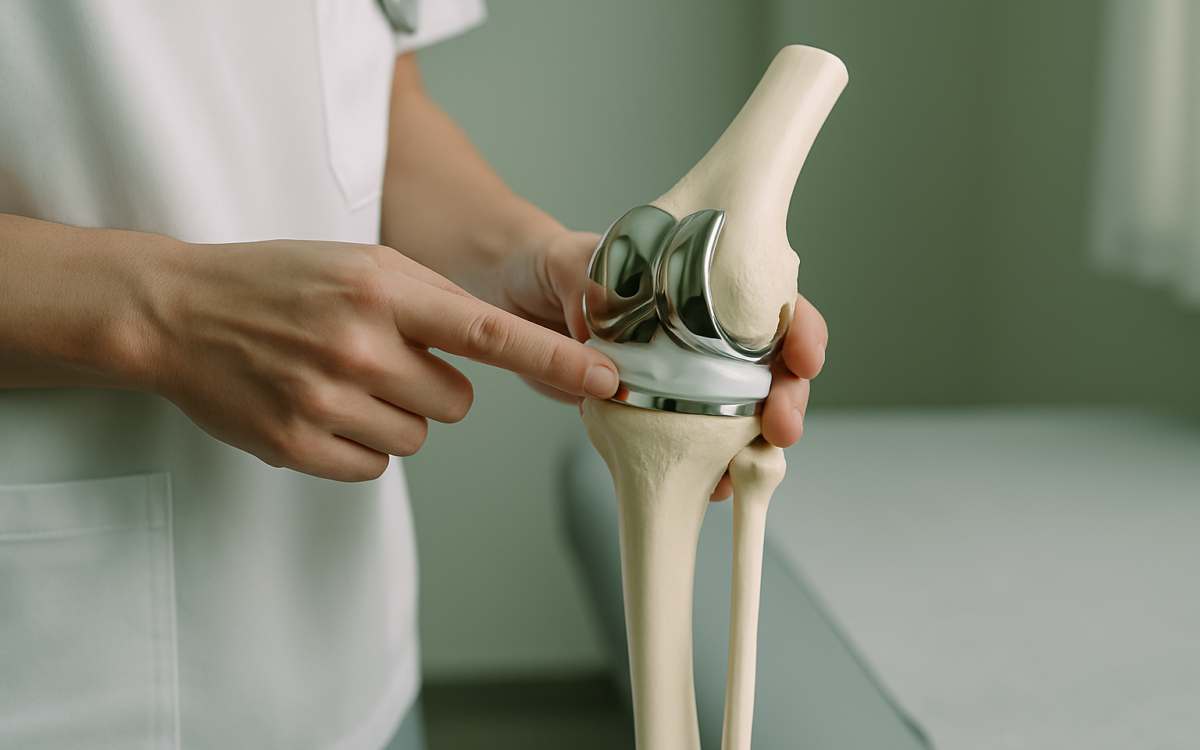
Total Knee Arthroplasty, commonly referred to as TKA, is a surgical procedure that involves replacing a damaged knee joint with an artificial one. If you or someone you know has knee pain or struggles with mobility, understanding this procedure can be incredibly helpful. Let’s take a closer look at what TKA entails, who might need it, and what to expect during recovery.
What is Total Knee Arthroplasty?
Total Knee Arthroplasty is a type of orthopedic surgery designed to relieve pain and restore function in patients with severe knee joint damage, often caused by conditions like osteoarthritis, rheumatoid arthritis, or traumatic injuries. The surgery involves removing the damaged bone and cartilage from the knee joint and replacing them with an artificial joint made from metal and plastic materials.
Who Needs a TKA?
Candidates for Total Knee Arthroplasty typically suffer from chronic knee pain that limits their daily activities and doesn’t improve with conservative treatments such as physical therapy, medications, or injections. This condition often results from:
- Osteoarthritis: The most common reason; it occurs when the cartilage that cushions the knee wears away over time.
- Rheumatoid Arthritis: An autoimmune condition that causes inflammation in the joints.
- Injuries: Significant knee injuries from accidents or sports can also lead to damage that requires surgical intervention.
According to the National Institutes of Health, the decision to undergo TKA is based on the severity of symptoms, patient age, activity level, and general health.
The Surgical Procedure Explained
About 700,000 total knee replacements are performed in the U.S. each year, and the procedure has proven to be safe and effective. Here’s what typically happens:
- Anesthesia: The surgery is done either under general anesthesia, where you are completely asleep, or regional anesthesia, which numbs only the lower half of your body.
- Incision: The surgeon makes an incision over the knee joint to access the damaged parts.
- Replacement: The damaged bone and cartilage are carefully removed and the artificial joint is put in place, aligning it to ensure smooth movement.
- Closing Up: The incision is then closed with stitches or staples, and a dressing is applied.
The actual procedure typically lasts between one and two hours, after which you are taken to a recovery area to monitor your progress.
Benefits of Total Knee Arthroplasty
Patients who undergo TKA often experience significant improvements in their quality of life. Some of the main benefits include:
- Pain Relief: Many patients report a dramatic reduction in knee pain, enabling them to resume activities they enjoy.
- Improved Mobility: TKA can help restore a greater range of motion in the knee, allowing for better mobility.
- Enhanced Quality of Life: With less pain and improved function, everyday tasks become easier, helping patients lead more active, fulfilling lives.
Research from the Mayo Clinic indicates that the majority of patients experience high satisfaction rates post-surgery.
Potential Risks and Considerations
While TKA has many benefits, like any surgery, it comes with certain risks, including:
- Infection: Infection can occur at the site of the incision or even in the joint itself.
- Blood Clots: These can develop in the leg veins after surgery, posing serious health risks.
- Joint Loosening or Failure: Although rare, the artificial joint can loosen or fail over time, necessitating additional surgery.
Discuss these risks with your doctor thoroughly prior to the procedure to better understand your individual risk factors.
What to Expect During Recovery
Recovery from TKA varies from person to person, but here are some general points to consider:
- Hospital Stay: Most patients spend one to three days in the hospital following surgery.
- Physical Therapy: Rehabilitation usually begins as soon as possible post-surgery to regain strength and range of motion; physical therapy is essential for recovery.
- Home Care: Once home, you may need assistance with daily tasks. Follow your healthcare provider’s guidelines for medication, wound care, and activity restrictions.
- Long-Term Expectation: It can take several months to fully recover, but many people feel significant improvements within the first few weeks.
Consult with your healthcare provider about what an appropriate recovery plan would look like for your specific situation.
When to See a Doctor
If you experience severe knee pain, swelling, or loss of mobility that doesn’t improve over time, it may be time to consult a doctor. They can evaluate your condition and advise you on whether Total Knee Arthroplasty or other treatments are necessary.
Understanding Total Knee Arthroplasty is crucial if knee pain is affecting your life. With advancements in medicine, TKA offers many an opportunity to regain their mobility and enjoy life with less pain.
