
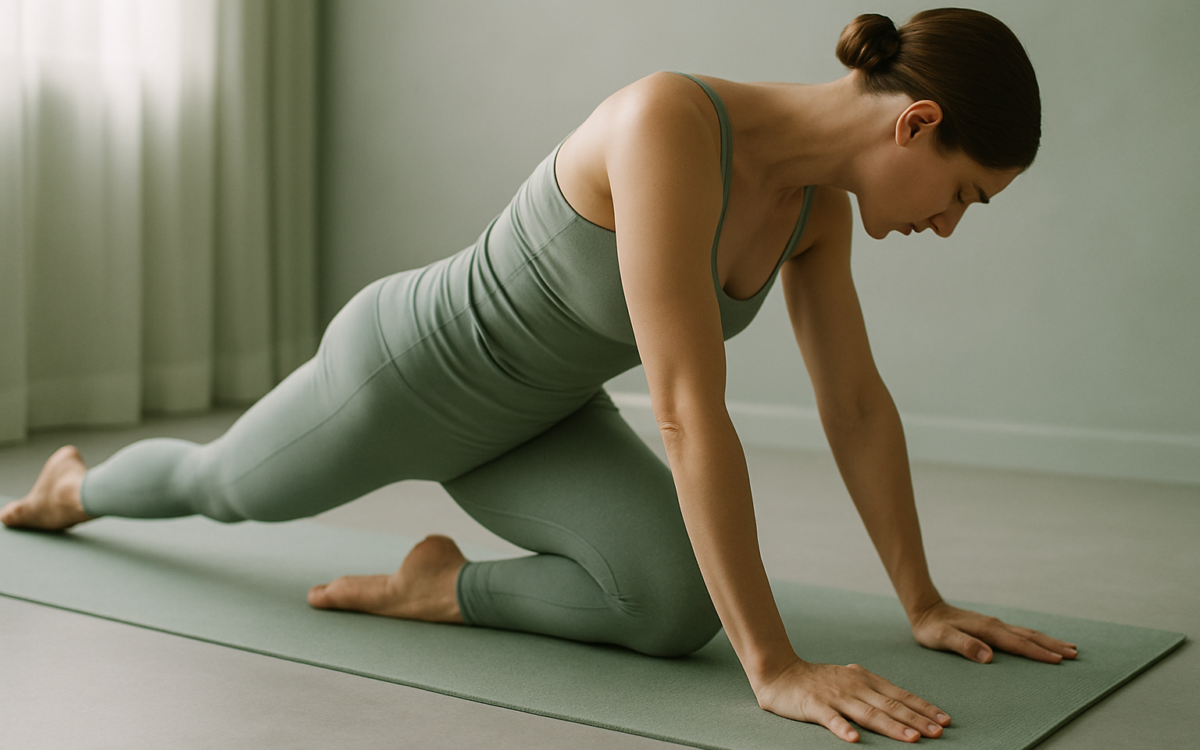
Stretching is an often-overlooked yet essential part of any fitness routine. Whether you’re an athlete or someone looking to enhance daily mobility, full body stretching exercises can help you unlock your flexibility, reduce muscle tension, and promote overall well-being. Let’s dive into the benefits of full body stretching, explore some effective exercises, and understand how to integrate them into your daily life.
Benefits of Full Body Stretching
Stretching your full body comes with numerous advantages:
- Increased Flexibility: Regular stretching helps muscles lengthen, allowing for greater range of motion.
- Enhanced Posture: Stretching can help align your body, reducing strains from poor posture.
- Pain Relief: Stretching can alleviate muscle tightness, which may help prevent injuries and reduce chronic pain.
- Improved Blood Circulation: Engaging in stretching exercises increases blood flow, delivering oxygen and nutrients to your muscles.
- Stress Reduction: Incorporating stretching into your routine can help relieve tension and encourage relaxation.
Studies suggest that when practiced regularly, stretching can contribute to your overall physical health and mental well-being (NIH).
Effective Full Body Stretching Exercises
Let’s explore several effective full body stretching exercises that you can do anytime, anywhere. Aim to hold each stretch for 15-30 seconds and repeat them 2-3 times. Always listen to your body and avoid any positions that cause pain.
1. Standing Forward Bend
This stretch targets your hamstrings, back, and neck:
- Stand with your feet hip-width apart.
- Inhale deeply, and as you exhale, bend forward at your hips, lowering your head toward the ground.
- Keep a slight bend in your knees if necessary.
- Feel the stretch in your hamstrings and back.
2. Cat-Cow Stretch
This yoga sequence enhances spine flexibility:
- Start on your hands and knees in a tabletop position.
- Inhale while arching your back (Cow position) and lifting your head and tailbone.
- Exhale and round your spine (Cat position), tucking your chin and pelvis.
- Repeat for 5-10 breaths.
3. Standing Side Stretch
This exercise targets your sides and improves lateral flexibility:
- Stand tall with your arms above your head.
- Grab your left wrist with your right hand.
- Gently lean to the right, feeling the stretch in your left side.
- Switch sides and repeat.
4. Butterfly Stretch
A fantastic way to open your hips:
- Sit on the floor and bring the soles of your feet together, letting your knees fall out to the sides.
- Hold onto your feet and gently press your thighs toward the ground.
- Maintain a straight back as you lean forward, deepening the stretch.
5. Seated Forward Fold
This stretch helps with hamstrings and lower back flexibility:
- Sit on the floor with your legs extended in front of you.
- Inhale and reach your arms overhead.
- Exhale as you bend forward from your hips, reaching for your feet.
- Maintain a straight back and relax into the stretch.
How to Incorporate Stretching into Your Routine
To make full body stretching part of your daily life, consider these tips:
- Morning Stretching: Start your day with a 5-10 minute routine to energize your body.
- Post-Workout: Stretch after your workouts to cool down and promote muscle recovery.
- Mindful Breaks: Take short stretching breaks during long periods of sitting or standing, especially if you work at a desk.
- Join a Class: Consider a yoga or stretching class to guide you and connect with others.
Keeping your routine consistent will help you experience the enduring benefits of flexibility and relaxation.
Stretching Myths and Facts
It’s essential to separate fact from fiction regarding stretching. Here are some common myths:
- Myth: Stretching before exercise is always necessary.
Fact: Dynamic stretching is more beneficial before workouts, while static stretching is ideal afterward. - Myth: You should bounce while stretching.
Fact: Bouncing can cause muscle strain. Hold stretches gently and steadily. - Myth: You can’t stretch too much.
Fact: Overstretching can lead to injuries. Listen to your body and ease into stretches.
Understanding these distinctions can help you practice stretching safely and effectively.
When to See a Doctor
If you experience persistent pain during stretching or have concerns about your mobility, it’s advisable to consult with a healthcare professional. They can help identify underlying issues and provide guidance on safe stretching practices.
By committing to regular full body stretching exercises, you can improve your flexibility, alleviate tension, and enhance your overall health. Remember, consistency is key, and each small step contributes to better flexibility and well-being.
