
Stretching might not be the first thing that comes to mind when thinking about getting fit, but it’s actually a key component of any fitness routine. Whether you’re an exercise newbie or someone looking to ease into a more active lifestyle, incorporating stretch exercises can improve flexibility, reduce muscle tension, and even enhance your overall well-being. Let’s explore some effective stretching techniques that are perfect for beginners.
Why Stretching Matters
Stretching is essential for everyone, not just athletes. It helps increase flexibility, improve circulation, and reduce the risk of injury. As you age, flexibility naturally decreases, which can lead to stiffness and a higher likelihood of injuries. According to the National Institutes of Health, incorporating regular stretching can help maintain muscle elasticity and joint health. Regular stretching can also boost your mood and promote relaxation.
Getting Started with Stretching
Before diving into specific stretches, keep a few basic principles in mind:
- Always warm up your muscles first. A quick walk or light aerobic activity for five to ten minutes can do wonders.
- Hold each stretch for 15 to 30 seconds without bouncing. This allows your muscles to lengthen and relax.
- Listen to your body. Stretching should never be painful. If a stretch hurts, ease off slightly.
- Incorporate breathing. Inhale deeply through your nose, then exhale slowly through your mouth to help release tension.
Essential Stretching Exercises for Beginners
Here’s a list of beginner-friendly stretches that can be done almost anywhere:
1. Neck Stretch
To relieve tension in your neck, try this simple stretch:
- Stand or sit up straight.
- Gently tilt your head to one side, bringing your ear toward your shoulder.
- Hold for 15-30 seconds and switch sides.
2. Shoulder Stretch
This stretch can help ease tightness in your shoulders:
- Stand tall and reach one arm across your body.
- Using your other arm, gently pull the arm across your chest.
- Hold for 15-30 seconds, then switch arms.
3. Chest Stretch
Open up your chest and enhance your posture with this stretch:
- Stand tall with your feet shoulder-width apart.
- Interlock your fingers behind your back and gently pull your arms upward.
- Hold for 15-30 seconds while breathing deeply.
4. Torso Stretch
This stretch releases tension in your back and sides:
- Stand with your feet shoulder-width apart.
- Raise both arms overhead and lean to one side, feeling the stretch along your side.
- Hold for 15-30 seconds, then lean to the other side.
5. Quad Stretch
Perfect for loosening your legs, especially after sitting:
- Stand tall and grab your right ankle, bringing your heel towards your glutes.
- Keep your knees close together and push your hips slightly forward.
- Hold for 15-30 seconds, then switch sides.
6. Hamstring Stretch
This stretch helps alleviate tightness in the back of your legs:
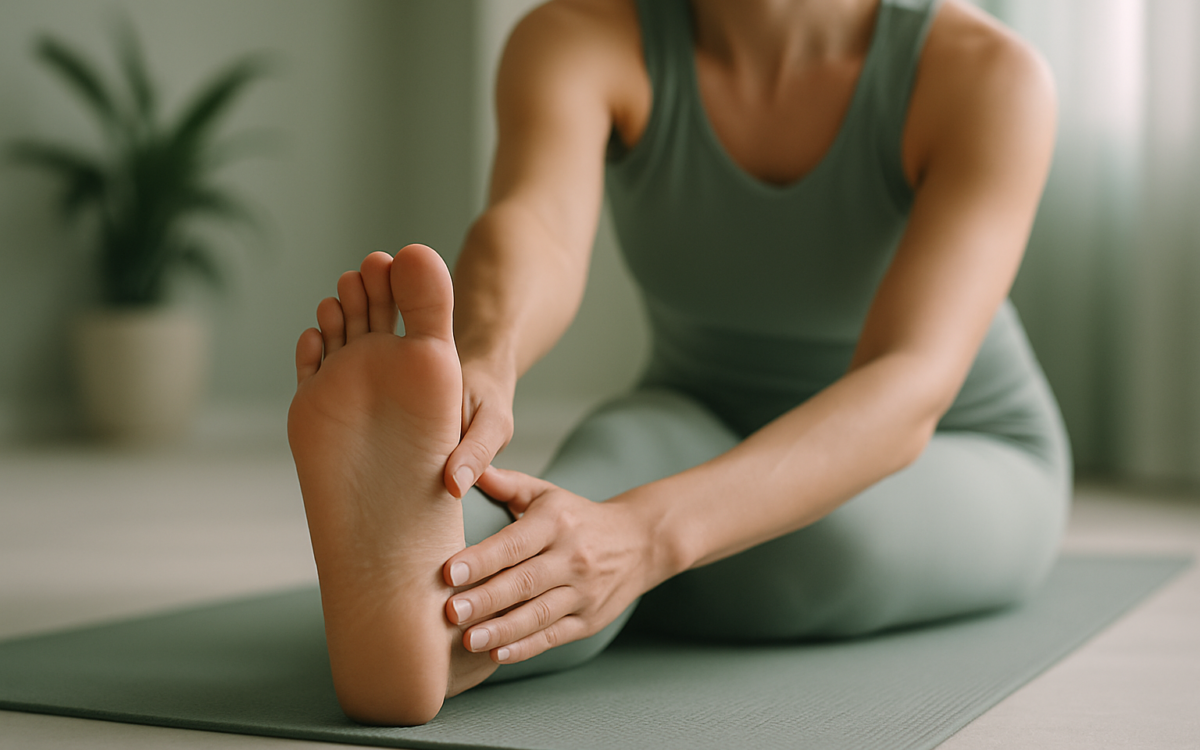
- Sit on the ground with one leg extended and the other tucked in.
- Reach towards your toes on the extended leg.
- Hold for 15-30 seconds, then switch legs.
Creating a Stretching Routine
To get the most benefit from stretching, consider creating a regular routine:
- Include stretching into your daily life; aim for at least 10-15 minutes of stretching sessions.
- Try different stretches to target various muscle groups.
- Feel free to add music or calming sounds to enhance your experience.
- Consider joining a beginner yoga class, which can provide more structure while still being gentle on your body.
When to See a Doctor
If you experience any pain during stretching that doesn’t go away or if you have any chronic injuries, it’s wise to consult your doctor. Issues such as severe muscle pain or joint problems could require professional treatment. Additionally, if you have any pre-existing medical conditions or concerns, consult a healthcare provider before starting a new fitness routine.
Conclusion
Starting a stretching routine doesn’t have to be complicated or intimidating. By dedicating just a few minutes each day to gentle, beginner-friendly stretches, you can improve your flexibility, reduce stress, and enhance your overall health. Remember to listen to your body, maintain regular practice, and consult a doctor if you have any concerns. Happy stretching!
