
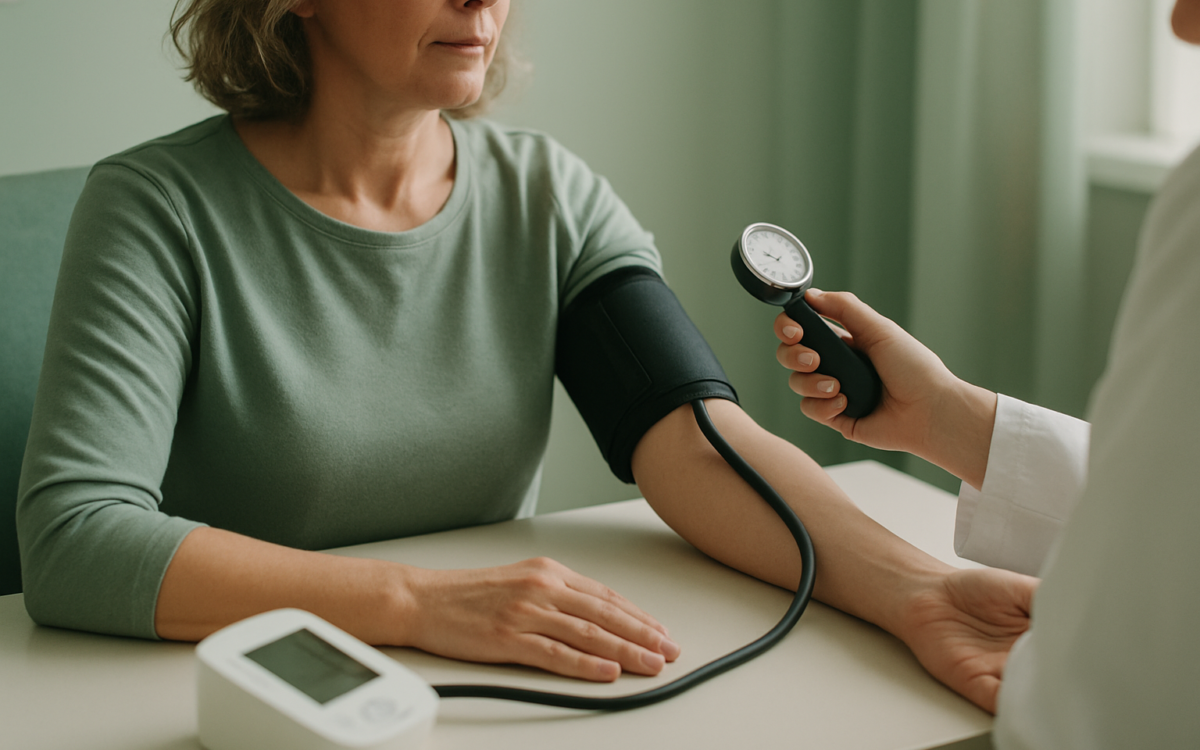
Blood pressure is an essential aspect of our overall health, but it’s something many people overlook. For women, understanding what constitutes normal blood pressure can empower better health choices and promote well-being. This article will clarify the normal ranges for blood pressure in women, discuss how they may vary at different life stages, and explain the importance of maintaining healthy levels.
What is Blood Pressure?
Blood pressure is the force of blood pushing against the walls of your arteries as your heart pumps it around your body. It is measured in millimeters of mercury (mm Hg) and has two numbers: systolic (the pressure during a heartbeat) over diastolic (the pressure between heartbeats). For example, if your blood pressure reading is 120/80 mm Hg, 120 is the systolic pressure, and 80 is the diastolic pressure.
Normal Blood Pressure Ranges
The American Heart Association (AHA) defines normal blood pressure for adults, including women, as less than 120/80 mm Hg. Here’s a breakdown of the categories:
- Normal: Less than 120/80 mm Hg
- Elevated: Systolic between 120-129 and diastolic less than 80
- Hypertension Stage 1: Systolic between 130-139 or diastolic between 80-89
- Hypertension Stage 2: Systolic 140 or higher or diastolic 90 or higher
- Hypertensive Crisis: Systolic higher than 180 and/or diastolic higher than 120
For most women, maintaining blood pressure within the normal range is crucial for reducing the risk of heart disease, stroke, and other health issues. Regular monitoring is important, especially during and after pregnancy, when hormonal changes can affect blood pressure.
How Blood Pressure Changes Over Time
Women’s blood pressure can fluctuate based on various factors throughout their lives, including hormonal changes from menstrual cycles, pregnancy, menopause, and lifestyle choices. Here’s how each phase can impact blood pressure:
Menstrual Cycles
Hormonal changes during the menstrual cycle may cause temporary fluctuations in blood pressure. For some women, blood pressure may rise slightly in the days leading up to menstruation.
Pregnancy
During pregnancy, a woman’s body goes through significant cardiovascular changes. Typically, blood pressure decreases in the first and second trimesters before returning to pre-pregnancy levels. However, it’s essential for expecting mothers to monitor their blood pressure closely, as conditions like gestational hypertension can develop.
Menopause
Post-menopausal women may experience an increase in blood pressure due to the decline in estrogen levels. Estrogen is known for having a protective effect on the cardiovascular system, so its reduction can lead to higher blood pressure. Regular check-ups are essential to assess blood pressure and overall heart health during this transition.
Lifestyle Factors Influencing Blood Pressure
Many lifestyle factors can influence blood pressure, making healthy choices vital for maintaining a normal range. Here are some key areas to consider:
- Diet: A balanced diet rich in fruits, vegetables, whole grains, and low-fat dairy can help manage blood pressure. The DASH (Dietary Approaches to Stop Hypertension) diet focuses on these foods and is beneficial for blood pressure control.
- Exercise: Regular physical activity helps maintain a healthy weight and lowers blood pressure. Aim for at least 150 minutes of moderate aerobic activity each week.
- Weight Management: Maintaining a healthy weight is crucial for blood pressure control. Even a small reduction in weight can significantly lower blood pressure if you are overweight or obese.
- Limit Alcohol and Tobacco: Excessive alcohol consumption and smoking can lead to high blood pressure. Moderation and cessation can contribute to healthier blood pressure levels.
These lifestyle changes can not only help maintain normal blood pressure but can also improve your overall health. For women seeking more international healthcare options, resources like acibademinternational.com provide information on clinics and specialists who can assist with hypertension management globally.
Understanding Hypertension
Hypertension, or high blood pressure, is often called a
