
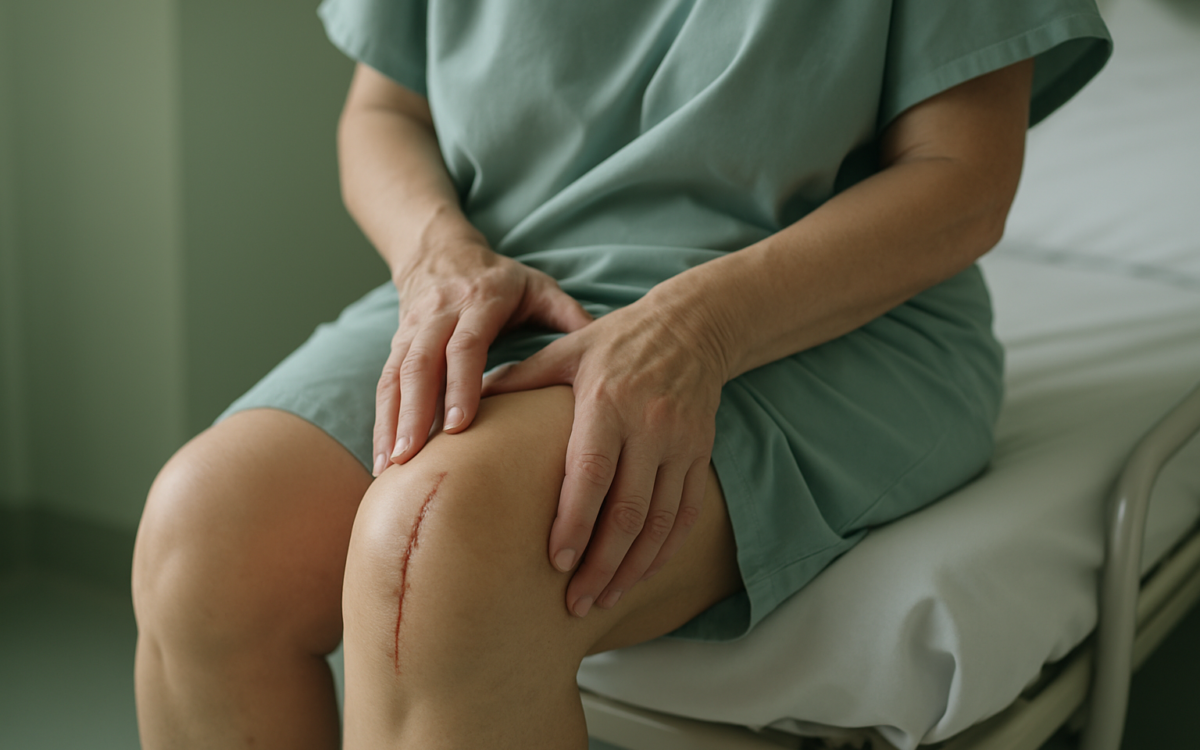
Knee replacement surgery can be a life-changing procedure for those suffering from severe arthritis or knee injuries. While many people experience significant relief from pain and improved mobility after surgery, it is not uncommon to feel intense pain during the recovery period. Understanding why this pain occurs can help patients manage their expectations and navigate the rehabilitation process more effectively.
Post-Surgical Pain and Its Causes
After knee replacement surgery, pain is a natural part of the healing process. Several factors contribute to this discomfort:
- Surgical Trauma: The procedure involves cutting through skin, muscle, and tissue, which can lead to inflammation and swelling. This healing process can hurt as the body repairs itself.
- Inflammation: Surgery often causes inflammation in the joint, leading to more pain. Swelling is your body’s natural response to an injury, and while it is necessary for healing, it can exacerbate discomfort.
- Nerve Sensitivity: Some nerves in the knee may be disturbed during the operation. These nerves can become overly sensitive, causing pain signals to be sent to the brain even when healing should be progressing.
The Healing Process
Recovery from knee replacement surgery varies significantly among individuals. Generally, the healing process can be broken down into several stages:
- Immediate Post-Operative Period: In the first few days after surgery, pain may be at its highest. Hospital staff will typically provide medications to help manage this pain effectively.
- Weeks 1-2: As patients return home, pain levels may fluctuate. Physical therapy usually begins shortly after surgery, which can be uncomfortable but is essential for recovery.
- Weeks 3-6: Many patients begin to notice a reduction in pain and an increase in mobility. However, some stiffness and discomfort during movement are still common.
- Months 2-6: Many find that their pain continues to lessen steadily, but it is not unusual to experience occasional discomfort, especially with increased activity levels.
Pain Management Techniques
Managing pain after a knee replacement is a vital part of recovery. Here are some effective strategies:
- Medications: Physicians often prescribe pain relievers, including non-steroidal anti-inflammatory drugs (NSAIDs) and opioids, for more severe pain. Always use medications as directed by your physician.
- Physical Therapy: Engaging in a structured physical therapy program is crucial. Gentle exercises can promote strength and mobility, which helps reduce pain over time.
- Cold Therapy: Applying ice packs to the knee can help reduce swelling and numb sharp pain. Experts recommend using cold packs for 15-20 minutes at a time, several times a day.
- Elevation: Keeping the leg elevated helps reduce swelling. It is helpful to elevate your knee above your heart level, especially during the early weeks of recovery.
Emotional and Psychological Factors
The experience of pain is not only physical but also emotional. It’s common for many patients to feel frustrated or anxious during their recovery, especially if the healing process is taking longer than expected. This emotional stress can, in turn, amplify the perception of pain. Here are some considerations:
- Anticipating Pain: Knowing pain is a part of the recovery can sometimes lead to increased anxiety about the pain itself. Engaging in mental health support, such as counseling or pain management programs, can be beneficial.
- Setting Realistic Goals: Understanding that a full recovery can take several months can help set realistic expectations and reduce feelings of frustration or hopelessness.
Complications to Watch For
While some pain is normal, certain signs may indicate complications that need medical attention. It’s important to differentiate between typical healing pain and problems that may arise:
- Infection: Symptoms of infection may include fever, increased redness and swelling at the surgical site, and discharge. These require immediate medical evaluation.
- Blood Clots: Pain, swelling, or discoloration in the calf or thigh may indicate a blood clot. This is a serious condition that needs timely intervention.
- Persistent Pain: If pain worsens instead of improving after several weeks or if it interferes significantly with daily activities, consult your doctor to rule out other issues.
When to See a Doctor
If you experience any of the following symptoms, it is essential to contact your healthcare provider:
- Increased pain that does not respond to medication
- Swelling that worsens instead of improving
- Fever or chills indicating possible infection
- Signs of blood clots, such as persistent swelling in one leg
Conclusion
Post-operative pain after knee replacement is a multifaceted issue influenced by surgical trauma, inflammation, and emotional factors. Each patient’s experience is unique, and while discomfort is a natural aspect of the recovery journey, understanding its causes can help manage expectations and promote better outcomes. Maintaining open communication with healthcare providers is crucial to navigating the challenges of recovery successfully. For further information on recovery and pain management, resources from reputable organizations can provide additional insights, such as the Mayo Clinic and National Institutes of Health.
