
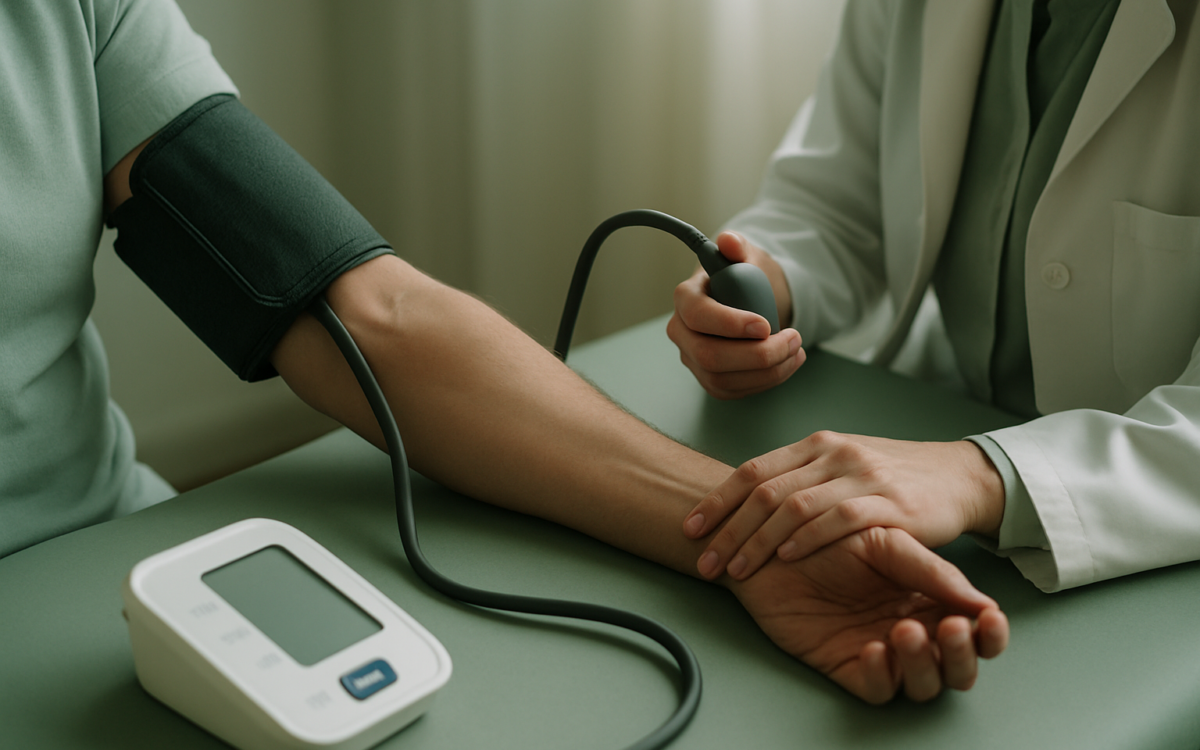
When we talk about blood pressure, we often hear the term “hypertension.” This word refers to the condition where blood pressure levels are consistently higher than what’s considered normal. While many focus on the systolic pressure—the first number in a blood pressure reading—high diastolic pressure, the second number, is also crucial. Understanding high diastolic pressure is essential for maintaining good heart health and preventing complications.
What is Diastolic Blood Pressure?
Blood pressure is measured using two numbers: systolic and diastolic. Systolic pressure measures the force of blood against artery walls when the heart beats, while diastolic pressure measures that same force when the heart is resting between beats. A reading of 120/80 mm Hg is considered normal, where 80 is the diastolic number.
High diastolic pressure occurs when this number exceeds 80 mm Hg regularly. If the diastolic number is consistently high, it may indicate hypertension that can lead to serious health problems.
Causes of High Diastolic Pressure
Several factors can contribute to high diastolic pressure. Some common causes include:
- Obesity: Carrying extra weight can increase blood pressure. Fat tissue requires more oxygen and nutrients, which can increase blood flow and pressure.
- High sodium intake: Eating too much salt can cause the body to retain water, increasing blood volume and leading to higher pressure.
- Lack of physical activity: An inactive lifestyle can contribute to weight gain and elevated blood pressure.
- Stress: Chronic stress can temporarily raise blood pressure and contribute to unhealthy habits like overeating or smoking.
- Genetics: A family history of hypertension can increase your risk of developing high diastolic pressure.
Health Risks Associated with High Diastolic Pressure
High diastolic pressure is a concern because it can lead to various health risks. Some of these include:
- Heart Disease: High blood pressure can damage the arteries, making them less elastic, which reduces blood flow and oxygen to the heart.
- Stroke: Increased pressure can lead to blood vessel damage in the brain, which may result in a stroke.
- Kidney Damage: Hypertension can impair kidney function over time, leading to kidney disease.
- Vision Loss: High blood pressure can damage the blood vessels in your eyes, leading to vision issues.
It’s important for individuals with high diastolic pressure to monitor their condition regularly and consult a healthcare provider for personalized advice.
Managing High Diastolic Pressure
If you have high diastolic pressure, lifestyle changes can be a powerful tool in managing your blood pressure. Here are several strategies:
- Healthy Diet: A diet low in sodium and rich in fruits, vegetables, whole grains, and lean proteins can promote better heart health. The DASH diet (Dietary Approaches to Stop Hypertension) is one well-researched option.
- Regular Exercise: Engaging in at least 150 minutes of moderate aerobic activity each week can help lower hypertension.
- Avoiding Tobacco and Limiting Alcohol: Smoking raises blood pressure and can lead to heart disease. Limiting alcohol intake can also help in managing blood pressure.
- Weight Management: Losing even a small amount of weight can help reduce blood pressure if you are overweight.
- Stress Reduction: Techniques such as meditation, yoga, or even regular walks can help manage stress and, in turn, blood pressure.
Implementing these changes might not only help in managing high diastolic pressure but also contribute to overall wellbeing.
Monitoring Your Blood Pressure
Regular monitoring of blood pressure is key in managing hypertension. Individuals with risk factors or a diagnosis of high diastolic pressure should check their blood pressure regularly or use a home monitor. It’s important to record your readings and share them with your healthcare provider during appointments.
Normal blood pressure readings generally range from 90/60 mm Hg to 120/80 mm Hg. A reading of 130/80 mm Hg or higher is considered high blood pressure according to the CDC guidelines. Be proactive in discussing with your doctor what your individual target should be.
When to See a Doctor
If you suspect that you have high diastolic pressure or experience symptoms like severe headaches, chest pain, difficulty breathing, or irregular heartbeat, it’s essential to seek medical attention promptly. Regular health check-ups can ensure early detection and management of hypertension.
Conclusion
High diastolic pressure is an important aspect of hypertension that should not be ignored. Understanding its causes, risks, and ways to manage it can empower individuals to make necessary changes for better health. Regular monitoring and consultations with healthcare providers will keep your heart health on track and help you lead a healthier life.
