
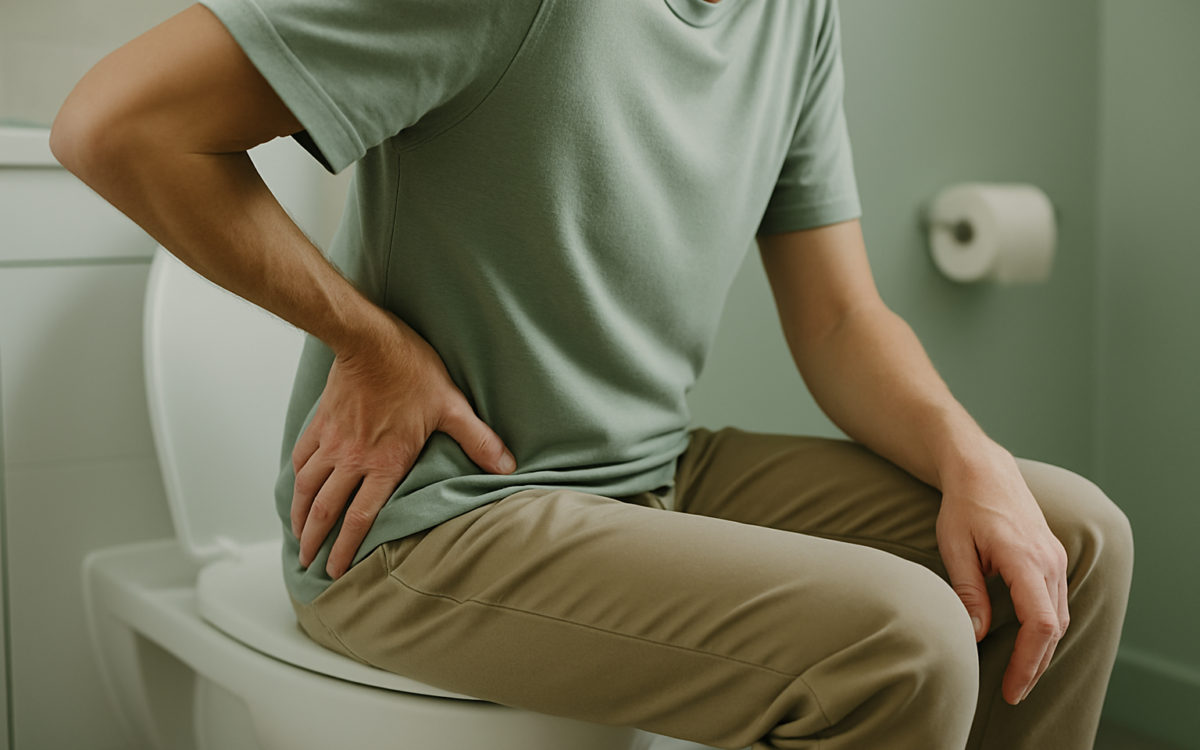
Many people experience back pain at some point in their lives, and while it’s often associated with muscular or skeletal issues, it can also lead to unexpected gastrointestinal problems such as constipation. Understanding the relationship between these two conditions can help you identify the source of your discomfort and seek appropriate help.
The Complex Connection Between Back Pain and Constipation
The human body is a complex network where everything is interconnected. This includes the spine, which houses the spinal cord, and is crucial in transmitting signals between the brain and various parts of the body, including the digestive system. Pain in the back can cause discomfort that may alter movement patterns, possibly affecting how the gastrointestinal tract functions.
Back pain can cause a muscle tightening that makes you less likely to engage in regular physical activity. When you are less active, it can lead to slower digestion and constipation. According to the National Heart, Lung, and Blood Institute, inactivity is one of the significant contributors to digestive issues.
Nerve Pathways: How Back Pain Affects Digestion
The spinal cord is not just a highway for motor signals; it is also essential for autonomic functions, including digestion. When the back is injured or experiencing chronic pain, the nerve pathways involved may be affected, leading to dysfunction in the digestive system. Back pain can potentially compress nerves that affect the intestines, resulting in slower bowel movements.
A study published in the National Institutes of Health also indicated that patients with chronic pain conditions often report gastrointestinal disturbances, including constipation. This suggests a possible correlation that warrants more attention.
Muscle Tension and Its Impact on Bowel Movements
Chronic back pain often leads to muscle tension. Your body’s response to pain includes tightening muscles, which is a natural protective mechanism. However, prolonged muscle tightness, particularly in core and pelvic floor muscles, can directly impede bowel movement. Tight pelvic floor muscles may create unnecessary pressure in the abdominal cavity, making it difficult for the body to push stool through the intestines.
Living With Back Pain: Potential Solutions
If you’re grappling with back pain and constipation, there are several strategies you can try to find relief:
- Exercise: Gentle exercises such as walking or stretching can enhance circulation, improve muscle function, and promote overall digestive health.
- Diet: A balanced diet high in fiber can help maintain regular bowel movements. Consider incorporating fruits, vegetables, whole grains, and plenty of water into your daily intake.
- Physical Therapy: Engaging with a physical therapist can help you develop a routine that alleviates back pain and helps relieve constipation symptoms. Therapy can teach you how to strengthen your back and pelvic floor muscles safely.
- Mindfulness and Relaxation: Practices like yoga, meditation, or tai chi can reduce stress and help relax tight muscles in the back and pelvic area, potentially easing both back pain and constipation symptoms.
- Medical Treatment: If symptoms persist, medications or other medical interventions may be required. Treatment plans can be tailored based on individual needs and may include over-the-counter medications or specialized prescription drugs.
For those considering international treatment options, facilities like Acibadem International offer comprehensive care for both pain management and gastrointestinal health.
Prevention Strategies to Minimize Back Pain and Constipation
Preventing back pain and its complications is possible with a proactive approach:
- Posture: Maintaining good posture while sitting, standing, and lifting can help prevent back pain. Ergonomic adjustments at your workstation can also make a significant difference.
- Hydration: Drinking enough water daily is crucial for preventing constipation and aiding overall digestion.
- Regular Check-Ups: Regular visits to your healthcare provider can help catch early signs of back issues or digestive problems.
- Stress Management: Finding healthy ways to manage stress, such as engaging in hobbies or seeking support from friends and family, can help alleviate tension in your body.
When to See a Doctor
If your back pain persists or worsens, or if constipation becomes a frequent issue, it is essential to consult a healthcare professional. Signs that require immediate attention include severe abdominal pain, blood in the stool, drastic changes in bowel habits, or inability to defecate over several days.
Conclusion
The relationship between back pain and constipation is multifaceted but essential to understand. Both conditions can significantly impact your quality of life, but by recognizing their connection and taking proactive steps, you can find relief. Always consult your doctor to tailor a plan that best meets your personal health needs.
