
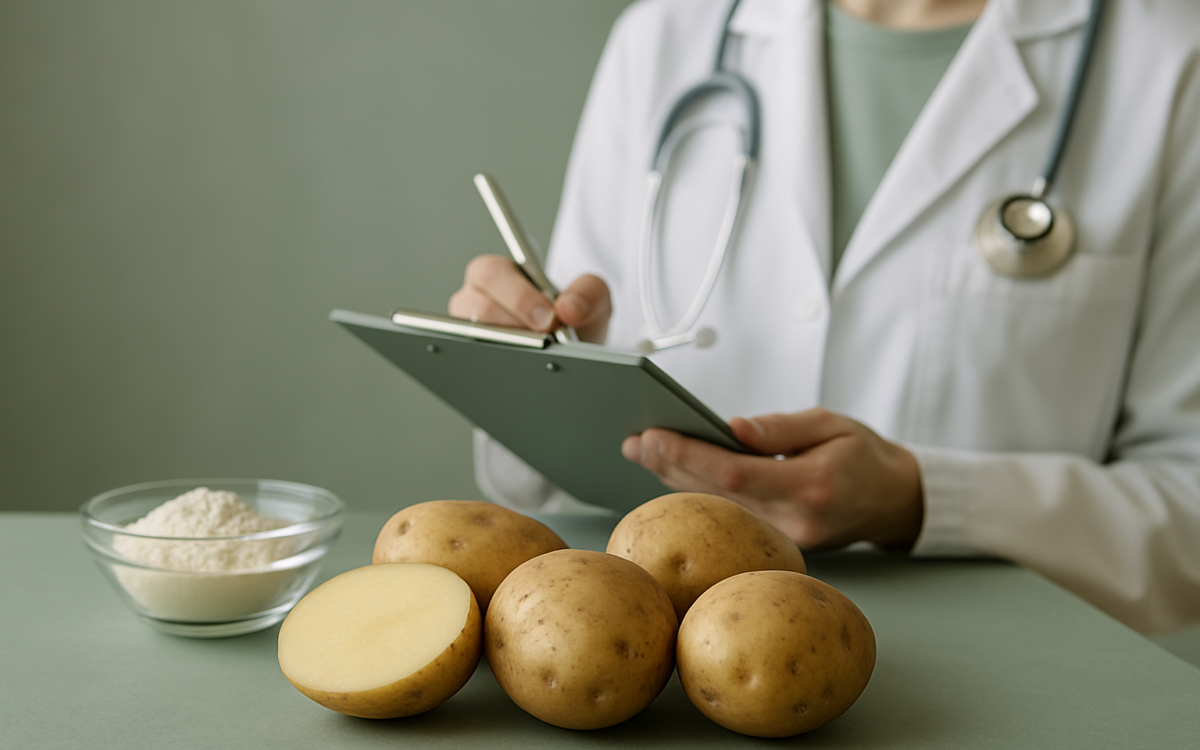
Potatoes are one of the most widely consumed vegetables worldwide, enjoyed for their versatility and rich nutritional value. But for those with gluten sensitivities or celiac disease, the question often arises: do potatoes have gluten? Understanding the relationship between potatoes and gluten is essential for anyone managing their diet.
What is Gluten?
Gluten is a protein found in various grains, including wheat, barley, and rye. It gives these grains their elasticity and helps foods maintain their shape. For people with celiac disease, an autoimmune disorder, gluten can trigger harmful reactions in the body. Even in those without the disease, gluten can cause digestive problems and inflammation.
Are Potatoes Gluten-Free?
The good news is that potatoes are naturally gluten-free. This means that plain potatoes, whether they are boiled, baked, mashed, or roasted, do not contain gluten. According to the National Institutes of Health, many individuals with gluten sensitivity or celiac disease can safely consume potatoes without worrying about gluten exposure.
Types of Potatoes and Their Culinary Uses
There are several types of potatoes, including:
- Russet Potatoes: Great for baking and frying.
- Red Potatoes: Ideal for salads since they hold their shape well.
- Yukon Gold: Perfect for mashing or roasting due to their creamy texture.
- Sweet Potatoes: A nutritious alternative, offering a sweeter taste and rich in vitamins.
All these types of potatoes share the same gluten-free quality. However, it’s essential to be cautious about what you add to your potatoes when preparing them.
Potential Gluten Sources in Potato Dishes
While potatoes themselves do not contain gluten, some potato preparations may include gluten-containing ingredients. For instance:
- French fries prepared in a shared fryer with breaded foods can be contaminated with gluten.
- Potato salads may have dressings that contain gluten.
- Loaded baked potatoes may have toppings like sauces or gravies that contain gluten.
When dining out or buying prepared foods, it’s essential to ask about potential gluten cross-contamination.
Nutritional Benefits of Potatoes
Ppotatoes provide several health benefits, making them a valuable addition to most diets:
- High in Vitamins: Potatoes are packed with vitamin C, vitamin B6, and potassium.
- Fiber-Rich: With the skin on, they provide dietary fiber, which aids digestion.
- Low in Calories: Potatoes are naturally low in calories and fat, making them a smart option for those watching their weight.
Plus, potatoes are incredibly filling, which can help curb overeating and contribute to a balanced diet.
Considerations for Gluten-Free Diets
For individuals with gluten sensitivities or celiac disease, following a strictly gluten-free diet is crucial. While potatoes do not contain gluten, it’s always good to be mindful of what you eat alongside them. Here are some tips for maintaining a gluten-free diet:
- Choose whole, unprocessed potatoes over packaged potato products, which may contain gluten additives.
- Read food labels carefully, especially for frozen or instant potato products.
- Ask about preparation methods at restaurants to avoid cross-contamination.
If you’re unsure about gluten content in your meals, consulting a registered dietitian can be beneficial.
When to See a Doctor
If you suspect you have gluten sensitivity or celiac disease, it’s essential to speak with a healthcare professional. Symptoms might include:
- Abdominal pain or bloating after consuming gluten.
- Diarrhea or constipation.
- Unexplained fatigue or headaches.
Your doctor can provide the necessary testing and guidance to help you manage your condition effectively.
Conclusion
In summary, potatoes themselves are gluten-free and can be an excellent choice for a well-rounded diet. However, pay attention to how they’re prepared and what ingredients are added, especially if you’re gluten-sensitive or have celiac disease. Maintaining open communication with your healthcare provider can significantly enhance your understanding and management of dietary choices. Enjoy your potatoes—safely!
