
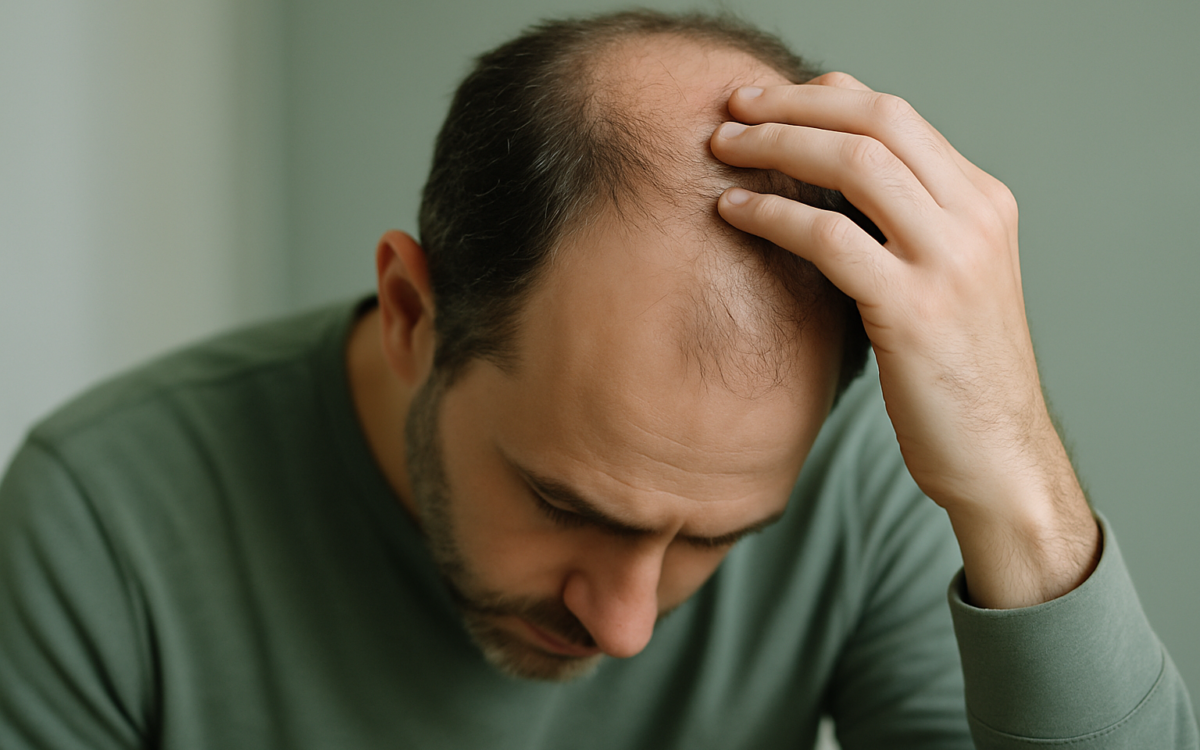
Hair loss can be a sensitive topic for many men. Whether it’s a slow thinning of hair or a rapid shedding, losing hair can lead to feelings of frustration, embarrassment, and even decreased self-esteem. Understanding the reasons behind hair loss and knowing how to manage it can empower you to take charge of your hair health.
Common causes of hair loss in men
Hair loss in men can happen for a variety of reasons. Here are some of the most common causes:
- Genetics: The most significant factor contributing to hair loss is hereditary. Male pattern baldness (or androgenetic alopecia) typically begins in the late teens or early twenties and can progress with age. If your family members experienced hair loss, chances are you may too. (NIH)
- Hormonal changes: Hormones play a key role in hair growth and loss. Dihydrotestosterone (DHT), a derivative of testosterone, can shrink hair follicles and shorten the hair growth phase, leading to thinner hair over time.
- Medical conditions: Certain medical conditions, like thyroid disorders, autoimmune diseases, and scalp infections, can cause hair loss. Conditions like alopecia areata result in sudden patches of hair loss due to the immune system attacking hair follicles.
- Stress: Experiencing significant stress can trigger temporary hair loss, known as telogen effluvium. This condition often resolves itself once the stressor is removed.
- Diet and nutrition: Poor nutrition can lead to hair loss. Deficiencies in essential nutrients like iron, zinc, vitamins A, D, and E, and proteins can impact hair health, leading to thinning and shedding.
Types of hair loss
Understanding the types of hair loss can help you identify your condition better. Here are some common types:
- Androgenetic alopecia: This is the most common form of hair loss in men, characterized by a receding hairline and thinning at the crown.
- Alopecia areata: An autoimmune condition that results in sudden hair loss in patches. It can affect anyone regardless of age.
- Telogen effluvium: A temporary form of hair loss that occurs due to stress, hormonal changes, or illness.
- Scarring alopecia: This refers to a group of rare disorders that destroy hair follicles and replace them with scar tissue.
Effective treatments for male hair loss
There are various treatment options for hair loss in men, ranging from lifestyle changes to medical therapies. While not every treatment works for everyone, many have shown promising results:
1. Medications
Minoxidil: An over-the-counter topical treatment that is applied directly to the scalp. It works by promoting hair growth and is effective for many men.
Finasteride: A prescription medication that blocks the conversion of testosterone to DHT and can help slow hair loss and promote regrowth. However, it can have side effects and should be discussed with a healthcare provider.
2. Hair transplant surgery
For those who have significant hair loss, hair transplant surgery might be an effective option. It involves removing hair follicles from a denser area of the scalp and transplanting them to balding areas. While this can be costly and requires recovery time, many men find success with this method.
3. Lifestyle changes
Making some lifestyle adjustments can also contribute to healthier hair. Eating a balanced diet rich in fruits, vegetables, and proteins can help. Staying hydrated and managing stress through techniques such as meditation or exercise are also beneficial.
4. Alternative treatments
Some men explore natural remedies such as essential oils, saw palmetto, and biotin supplements. While these may work for some, more research is needed to confirm their effectiveness. Always consult with a healthcare provider before starting any new treatment.
When to see a doctor
If you’re experiencing significant hair loss or notice sudden patches of hair loss, it’s important to consult a healthcare provider. They can help determine the underlying cause through examinations and blood tests and suggest appropriate treatments. Additionally, if hair loss is accompanied by other symptoms like scalp irritation, it’s wise to seek medical advice.
Conclusion
Hair loss is a common experience among men but can be tackled through understanding its causes and exploring treatment options. Remember that you’re not alone in this journey, and solutions are available. If you are concerned about your hair loss, don’t hesitate to consult with a healthcare professional who can guide you to the best path forward.
