
Have you ever dreamed of a perfect smile? For many, that dream can be a reality with composite veneers. These thin shells made from tooth-colored resin can help correct imperfections and enhance your smile. In this article, we’ll explore what composite veneers are, their benefits, and how to care for them.
What Are Composite Veneers?
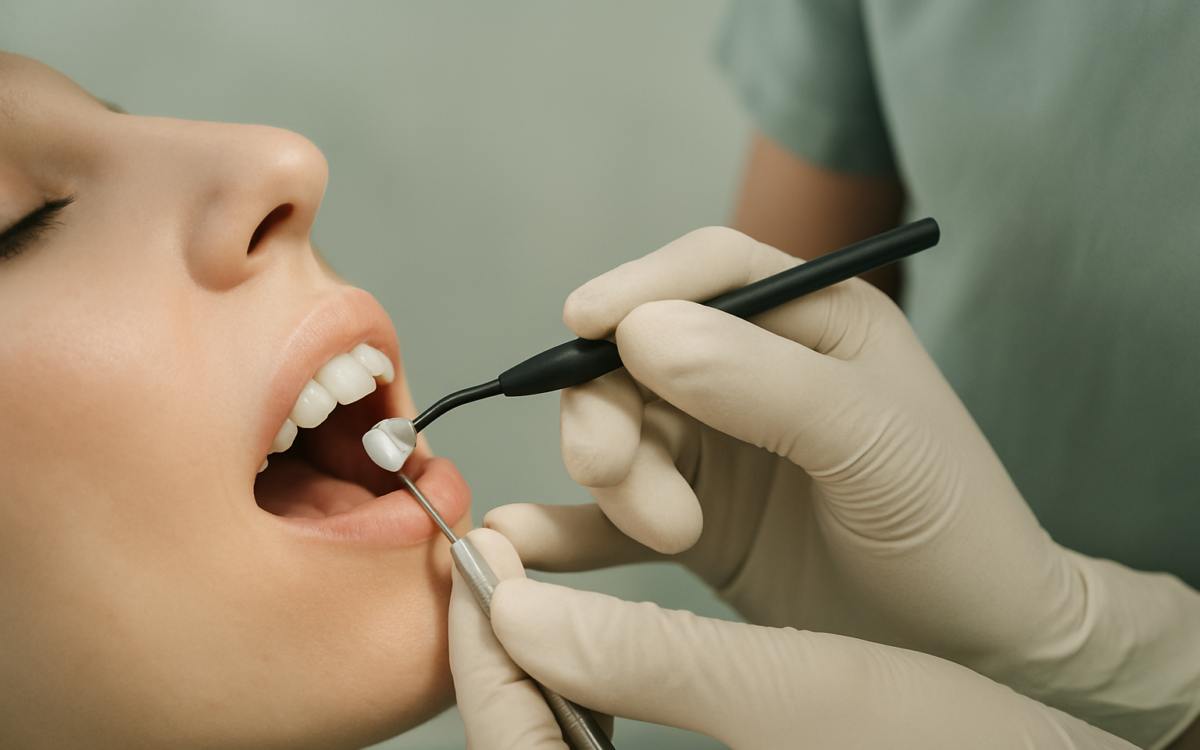
Composite veneers are custom-made shells that fit over the front surface of your teeth. They are designed to improve the appearance of your smile by covering up chips, stains, or gaps. Usually created from a resin material, composite veneers are applied directly to the teeth in a process that can often be completed in a single visit.
Benefits of Composite Veneers
Composite veneers offer several advantages:
- Minimally Invasive: One of the key benefits is that they require minimal alteration to the natural tooth. Unlike porcelain veneers, composite veneers often don’t need the tooth to be ground down significantly.
- Cost-Effective: Composite veneers are generally less expensive than porcelain options, making them more accessible for many people seeking cosmetic dental improvements.
- Quick Application: The procedure can typically be done in one visit, allowing you to transform your smile without multiple appointments.
- Repairable: If cracks or chips occur, composite veneers can often be repaired without needing a complete replacement.
- Natural Appearance: Composite material can be shaded to match your natural teeth, making for a seamless integration in your smile.
How Are Composite Veneers Applied?
The application of composite veneers is a relatively straightforward process:
- Consultation: A dentist will assess your teeth and discuss your cosmetic goals, ensuring that composite veneers are a suitable choice for you.
- Preparation: The dentist will prepare your teeth by cleaning them and possibly applying a slight roughening to the surface to ensure a good bond.
- Application: The composite resin is applied in layers. Each layer is sculpted to achieve the desired shape and then hardened with a special light.
- Finishing Touches: After sculpting, the dentist will polish the veneers to give them a natural shine.
Care and Maintenance of Composite Veneers
While composite veneers are durable, proper care is essential to maintain their appearance and longevity:
- Good Oral Hygiene: Brush your teeth at least twice a day and floss daily. Pay special attention to the areas around the veneers.
- Avoid Stain-Causing Foods: Limit consumption of foods and drinks that can stain your veneers, such as coffee, tea, red wine, and tobacco.
- Regular Dental Check-ups: Visit your dentist regularly for professional cleanings and check-ups. This helps catch any potential issues early on.
- Protect Your Teeth: If you grind your teeth at night, talk to your dentist about using a mouthguard to protect your veneers from wear and tear.
Risks and Considerations
While composite veneers can be a great solution for many, it’s essential to consider a few potential risks:
- Durability: Composite veneers are not as durable as porcelain veneers and may need to be replaced or repaired sooner.
- Staining: Over time, composite veneers can stain, especially if proper care is not maintained.
- Allergic Reactions: Some patients may experience sensitivities or allergic reactions to the materials used. Be sure to communicate any allergies with your dentist.
When to See a Doctor
If you experience sensitivity, pain, or any loosening of your veneers, it’s essential to consult your dentist promptly. These may indicate issues that require attention before they worsen.
Conclusion
Composite veneers can be a fantastic option for those looking to enhance their smile with minimal invasiveness and cost. Understanding the benefits, application process, and care involved can help you make an informed decision. Always consult with a dental professional to explore the options that are best for you and your smile!
