
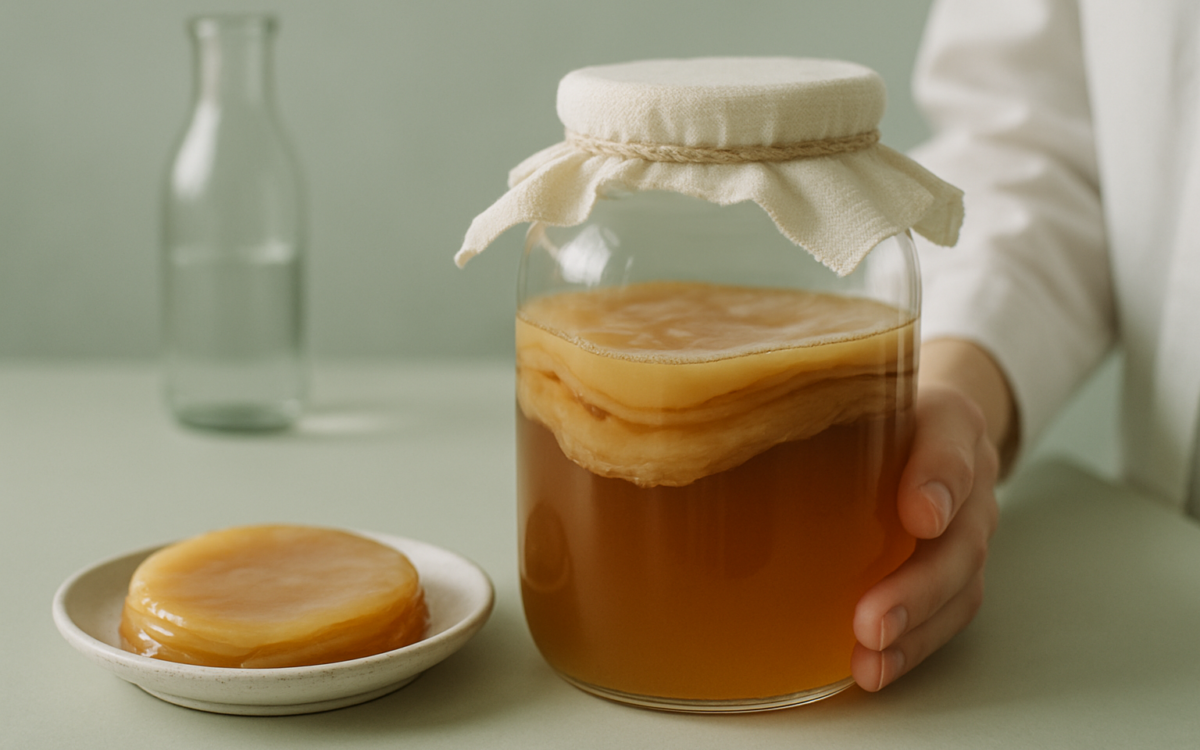
Kombucha has surged in popularity over the past few years, captivating health enthusiasts and casual drinkers alike. This fermented tea drink is not only refreshing but also boasts a host of potential health benefits. At the heart of this tangy beverage lies the SCOBY, a unique culture that transforms sweetened tea into the fizzy drink we love. In this article, we’ll dive into what a kombucha SCOBY is, how it works, and why it has garnered so much attention.
What is a SCOBY?
SCOBY stands for Symbiotic Culture of Bacteria and Yeast. It is a gelatinous, pancake-like disk that leads the fermentation process in kombucha brewing. Basically, it’s a colony of good bacteria and yeast working together. When placed in sweetened tea, the SCOBY feeds on the sugars and caffeine, producing organic acids, trace levels of alcohol, and carbon dioxide, resulting in the fizzy, tart drink we enjoy.
The Fermentation Process
The process of making kombucha starts with brewing tea and adding sugar. Once cooled, you introduce the SCOBY to the mixture. Fermentation typically takes about 7 to 14 days, during which the SCOBY consumes the sugar and releases various compounds. This gives kombucha its distinctive taste and character.
Brewing Methods
Here are some popular methods for brewing kombucha at home:
- Traditional method: Brew tea, dissolve sugar, cool it down, and add the SCOBY.
- Flavoring post-fermentation: After primary fermentation, you can add fruits, herbs, or spices to customize the flavor.
- Continuous brew: This method keeps a replenished supply of kombucha by constantly refilling the jar with sweet tea as you draw off the fermented liquid.
Health Benefits of Kombucha
Supporters of kombucha claim numerous health benefits, largely attributed to the probiotics generated during fermentation. Here are some potential advantages:
- Digestive health: The probiotics in kombucha may help maintain a healthy gut microbiome. Some studies suggest that probiotics can improve digestion and alleviate issues such as bloating or constipation (NIH).
- Antioxidant properties: Kombucha contains polyphenols from tea, which are known for their antioxidant effects, helping combat oxidative stress in the body.
- Immune support: Some research indicates that the probiotics and vitamins present in kombucha may contribute to a stronger immune response.
Is Kombucha Safe to Drink?
While many enjoy kombucha without issue, it’s essential to know who needs to be cautious. Homemade kombucha can carry some risks if not prepared correctly. It’s vital to follow hygiene practices and ferment in a clean environment to avoid contamination.
Potential risks include:
- Alcohol content: Kombucha does contain trace amounts of alcohol, which may vary widely between batches.
- Acidity: The acidity level can sometimes aggravate those with certain health conditions, like gastroesophageal reflux disease (GERD).
- Pregnancy and immune-compromised conditions: Expectant mothers or those with weakened immune systems should consult with a healthcare professional before consuming kombucha.
Caring for Your SCOBY
Your SCOBY is a living culture, and proper care is crucial for ongoing successful brewing. Here’s how to keep your SCOBY healthy:
- Clean environment: Always brew in a sanitized area to prevent harmful bacteria from interfering with the fermentation.
- When to feed: If the SCOBY starts to look dull or sink, it might be time to brew fresh tea and sugar mixture.
- Storage: If you’re taking a break from brewing, you can store your SCOBY in a jar with a bit of kombucha. Just make sure it’s kept in the fridge or a cool, dark place.
When to See a Doctor
If you experience adverse symptoms after consuming kombucha, such as digestive upset, allergic reactions, or persistent fatigue, it’s advisable to consult with a healthcare professional. This can help confirm whether kombucha is safe for you or if any underlying issues need to be addressed.
Conclusion
Kombucha is more than just a trendy drink; it represents a rich tradition of fermentation that continues to thrive today. Understanding the role of the SCOBY and the fermentation process can help you appreciate this beverage on a deeper level. Whether you’re considering brewing your own or simply enjoy the store-bought varieties, kombucha offers an exciting blend of flavors and potential health benefits. Just remember to consume it mindfully and consult your doctor if you have any concerns about its effects on your health.
