
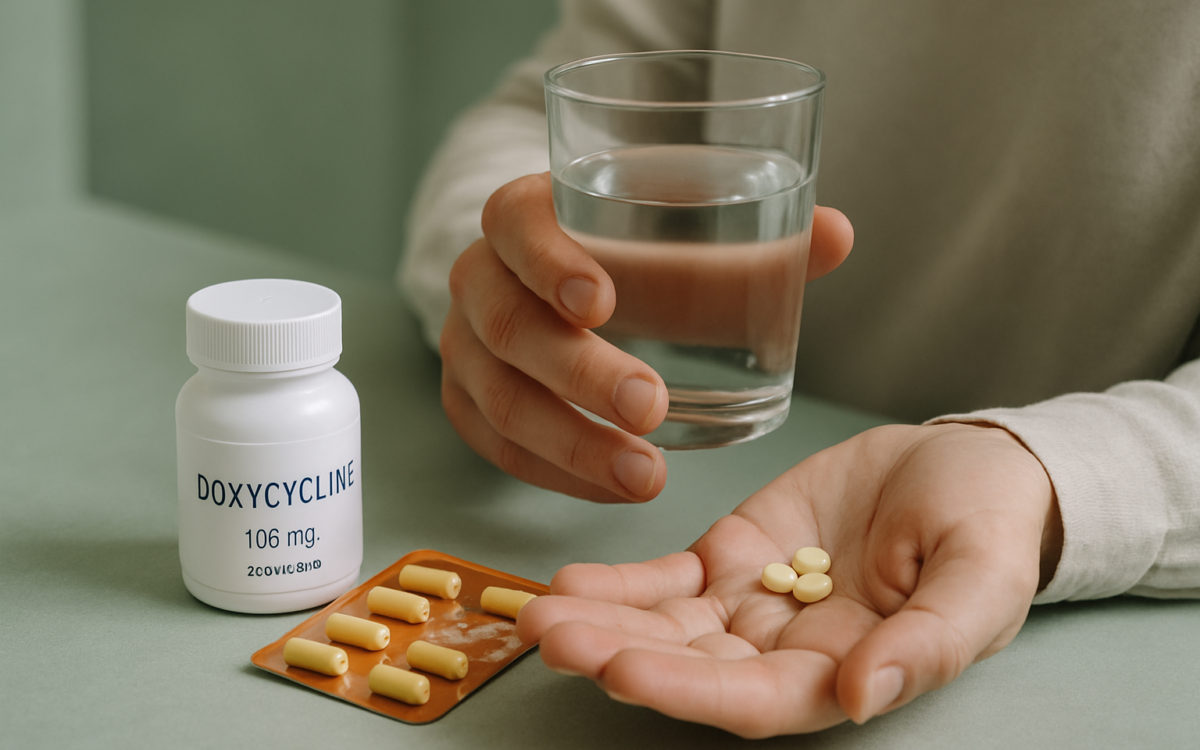
Doxycycline is a commonly prescribed antibiotic used to treat a variety of infections, including respiratory tract infections, acne, and certain sexually transmitted infections. If you’re taking doxycycline, you might wonder how alcohol consumption could affect your treatment. Let’s delve into the relationship between doxycycline and alcohol, the potential impacts, and what you should know to stay safe.
Understanding Doxycycline
Doxycycline belongs to a group of antibiotics called tetracyclines. It works by inhibiting bacteria from producing proteins that are essential for their growth and reproduction. This makes doxycycline effective against various types of bacteria. However, like all medications, it comes with its own set of considerations.
The Risks of Mixing Doxycycline and Alcohol
Generally, studies suggest that alcohol does not significantly interfere with doxycycline’s effectiveness in treating infections. However, it’s important to consider a few factors:
- Hydration: Alcohol can lead to dehydration, which might exacerbate side effects of doxycycline like nausea and dizziness.
- Liver Function: Both doxycycline and alcohol are metabolized by the liver. Drinking while on medication can put extra stress on your liver.
- Side Effects: Some individuals may experience heightened side effects, such as gastrointestinal discomfort, when combining alcohol with doxycycline.
When Is It Safe to Drink Alcohol?
If you are on doxycycline, moderation is key. For most people, occasional alcohol consumption is unlikely to have serious consequences. However, it’s best to speak with your healthcare provider regarding your individual health circumstances. They will consider your overall health, the type of infection being treated, and any other medications you may be on.
Understanding Your Health
It’s also helpful to assess why you’re taking doxycycline. For instance, if you’re being treated for a serious infection, it’s generally wise to avoid alcohol altogether. Alcohol can impair your immune system, which is working hard to fight the infection. In such cases, your healthcare provider might emphasize the need to limit alcohol consumption or abstain from it during your treatment period.
International Perspective on Treatment
For those seeking medical treatment abroad, like treatment in Turkey, it’s crucial to communicate openly about your medication regimen and lifestyle choices, including alcohol consumption. Understanding how different healthcare systems perceive and manage medication can provide valuable insights for your treatment. Some countries may have different guidelines regarding the consumption of alcohol with antibiotics, so always discuss this with your healthcare provider.
Long-Term Considerations
If you’re on doxycycline for an extended period, you may face additional considerations. Chronic alcohol consumption can lead to liver damage and may complicate your treatment. It’s essential to regularly monitor your health with your doctor and be aware of any changes in how you feel while on medication.
Physical and Mental Health
Alcohol can also impact your mental health, potentially exacerbating feelings of anxiety or depression. If you’re taking doxycycline for a condition that affects your mental well-being, consider how alcohol might play a role in your emotional health.
When to See a Doctor
If you experience adverse reactions or have concerns about your medications, including the interaction between doxycycline and alcohol, it’s time to reach out to your healthcare provider. Signs to watch for include:
- Nausea or vomiting
- Severe headaches or dizziness
- Increased fatigue or weakness
- Altered mood or mental state
Your doctor can help assess whether it’s safe to continue consuming alcohol while on doxycycline or if adjustments to your treatment plan are necessary.
Conclusion
While the occasional drink may not pose significant risks when taking doxycycline, being mindful of how alcohol affects your body, hydration levels, and treatment efficacy is essential. Always consult your healthcare provider for advice tailored to your specific situation and make informed decisions about your health.
