
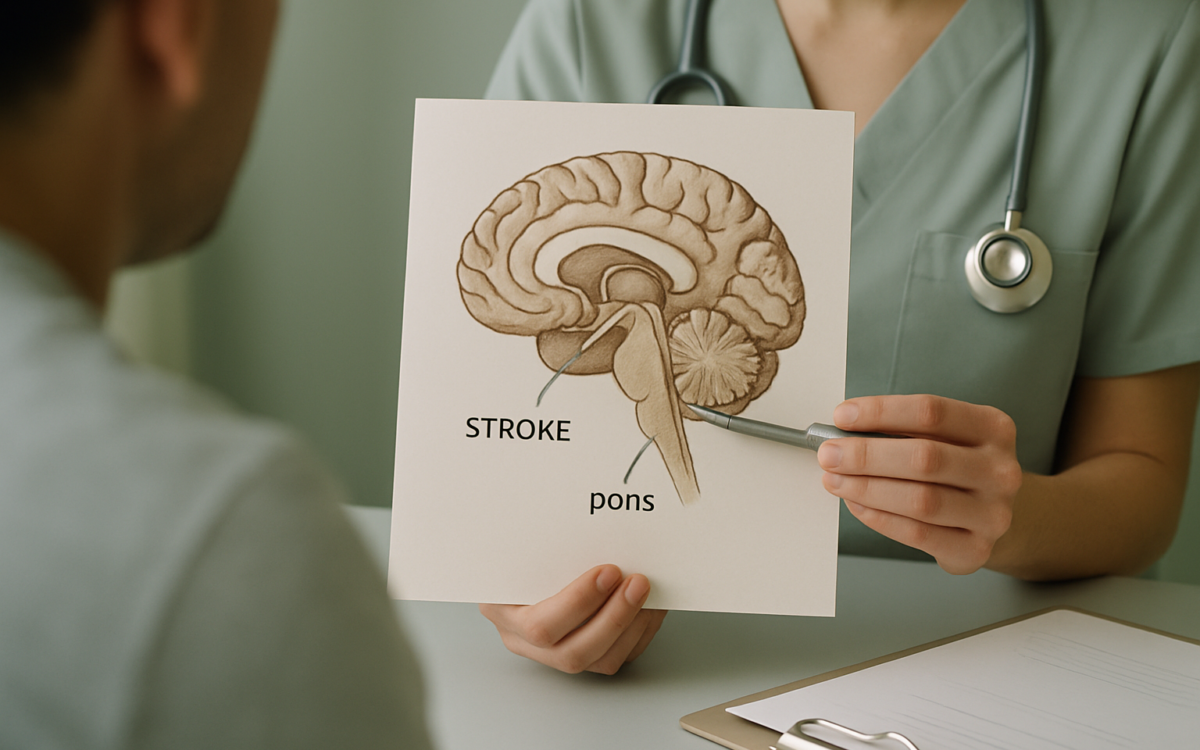
When you hear the word ‘stroke,’ it often brings to mind severe consequences, but strokes can vary greatly depending on where they occur in the brain. One particular type is a pons stroke, which occurs in the pons area of the brainstem. Understanding what a pons stroke is, how it can affect you, and what recovery options are available can empower you or your loved ones to seek timely help and make informed decisions.
What is a pons stroke?
A pons stroke is a type of brainstem stroke that affects the pons, a vital part of the brain located between the midbrain and the medulla. This region is responsible for several critical functions, including regulating breathing, heart rate, and sleep patterns. It also serves as a communication center, relaying signals between different parts of the brain and the body.
Symptoms of a pons stroke
The symptoms of a pons stroke can vary depending on the extent of the damage and the areas affected. Common symptoms include:
- Difficulty speaking or slurred speech
- Weakness or paralysis on one side of the body
- Vision problems, such as double vision
- Loss of coordination or balance
- Sudden dizziness or vertigo
- Changes in consciousness or confusion
If you or someone you know experiences these symptoms, it’s crucial to seek immediate medical attention. Time is of the essence when it comes to treating strokes.
Causes of a pons stroke
Pons strokes can stem from various causes, primarily related to blood supply issues. The most common causes include:
- Ischemic strokes: These occur when a blood vessel supplying blood to the brain becomes blocked, often due to a blood clot. Blood clots can form from atherosclerosis (narrowing of the arteries) or can travel from other areas of the body, like the heart.
- Hemorrhagic strokes: This type involves bleeding within or around the brain. Factors that can lead to hemorrhagic strokes include high blood pressure, aneurysms, or arteriovenous malformations (AVMs), which are abnormal connections between veins and arteries.
Additionally, risk factors for strokes, such as high blood pressure, diabetes, smoking, and high cholesterol, can increase the likelihood of experiencing a pons stroke.
Diagnosis of a pons stroke
Diagnosing a pons stroke usually begins with a healthcare provider conducting a physical examination and checking for symptoms. They may then order imaging tests such as:
- CT scans: These can help identify bleeding or damage in the brain quickly.
- MRI scans: MRIs provide more detailed images of the brain and can help identify any ischemic areas.
Blood tests may also be conducted to determine any underlying conditions that could have contributed to the stroke. If a stroke is confirmed, the medical team will evaluate the severity and develop an appropriate treatment plan.
Treatment options for pons stroke
Treatment for a pons stroke depends on the type and severity of the stroke. Some common treatments include:
- Medications: In the case of ischemic strokes, clot-busting medications like tissue plasminogen activator (tPA) may be administered within a few hours of the event. Additionally, antiplatelet or anticoagulant medications may be prescribed to prevent future strokes.
- Rehabilitation: Stroke rehabilitation is crucial for recovery. Patients may work with physical, occupational, and speech therapists to regain lost skills and help adjust to any challenges that arise from the stroke.
- Surgery: In some cases, surgery may be necessary to relieve pressure on the brain or remove blood clots.
Recovery from a pons stroke can vary from person to person. Some individuals may regain many of their functions, while others may face long-term challenges. The extent of recovery often depends on the speed of treatment and the severity of the stroke.
Living with the aftermath of a pons stroke
Living after a pons stroke can be challenging. Psychological support is just as important as physical rehabilitation. Many stroke survivors experience emotional changes, such as depression or frustration, which are normal parts of the healing process. Communicating these feelings to loved ones or mental health professionals can be helpful.
Maintaining a healthy lifestyle can also promote recovery. This includes:
- Eating a well-balanced diet
- Exercising regularly, as advised by your doctor
- Avoiding smoking and limiting alcohol consumption
Support groups can provide connections with others who understand what you’re going through. Consider reaching out to local or online organizations for stroke survivors.
When to see a doctor
Recognizing stroke symptoms is crucial for timely intervention. If you or someone you know experiences sudden symptoms like weakness, difficulty speaking, or disorientation, don’t hesitate to seek immediate medical attention. Remember that every second counts when it comes to stroke treatment.
Conclusion
A pons stroke can have significant impacts on a person’s life, affecting communication, movement, and overall brain function. By understanding the symptoms, causes, and treatment options, you can play an active role in your health or support a loved one through recovery. Always consult healthcare professionals for guidance tailored to your situation.
