
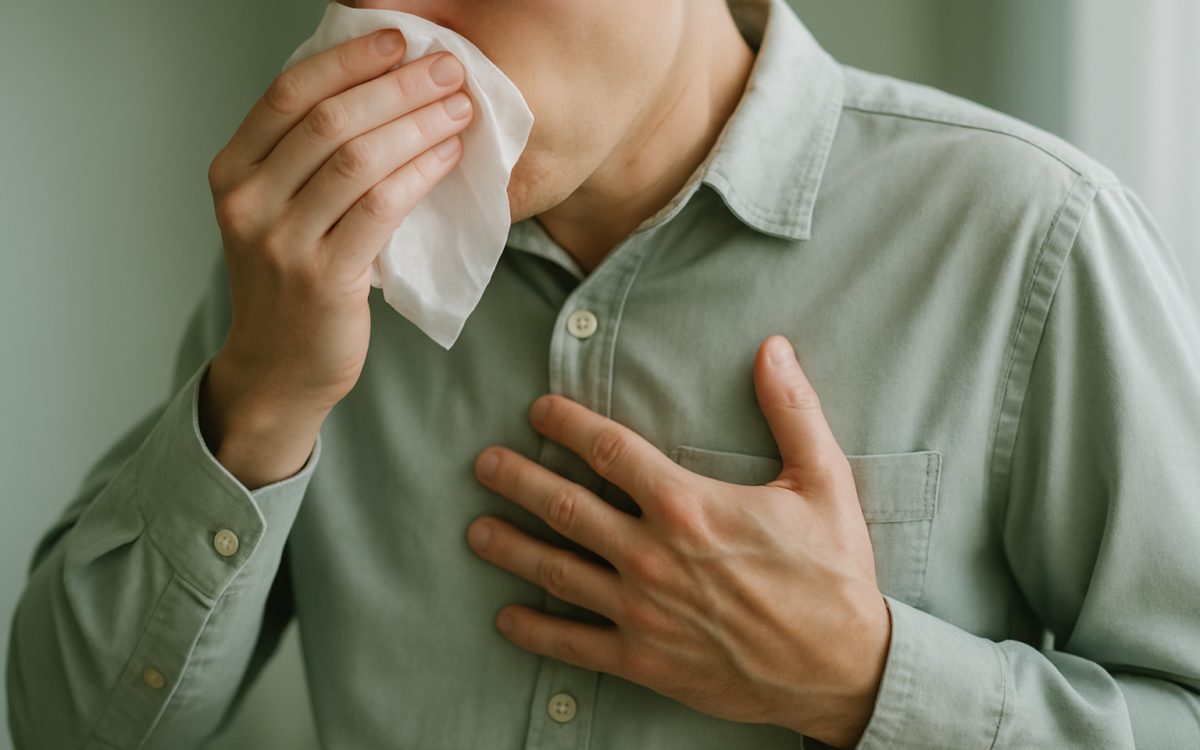
Sneezing is a common bodily response, something we all experience from time to time. But amidst the sound of a sneeze, many wonder: does your heart stop when you sneeze? This question stems from a mix of folklore and scientific inquiry. Let’s dig into what actually happens to your body during a sneeze and if there’s any truth to the heart-stopping myth.
Understanding the sneezing reflex
A sneeze is a rapid, involuntary expulsion of air from the lungs through the nose and mouth. This reflex is triggered by irritation in the nasal cavity, often caused by allergens, dust, or germs. When your body senses this irritation, it sends signals to your brain to initiate the sneeze response. But what is going on with your heart during this process?
What happens to your heart during a sneeze?
During a sneeze, several physiological changes occur within your body. Contrary to popular belief, your heart does not stop beating when you sneeze. Instead, your heart rate may temporarily change. Here’s how:
- Increased pressure: When you sneeze, the muscles around your chest and abdomen contract forcefully, which can momentarily raise the pressure in your chest. This pressure change affects blood flow but does not cause your heart to stop.
- Heart rate variation: Some studies indicate that during a sneeze, your heart rate may drop slightly just before and then increase suddenly afterward. This is due to the vagus nerve, which plays a role in heart rate regulation and is stimulated during the sneeze reflex.
- Breathing changes: A sneeze involves a quick intake of breath followed by an explosive exhalation. This rapid intake and release can also contribute to temporary changes in your heart rate, but it is a normal, healthy response.
The myth behind heart stopping
So, where did the notion that your heart stops during a sneeze originate? It likely relates to how the body responds rapidly during a sneeze—a process that can feel almost disruptive. When people experience a brief pause in breath or feel dizzy after a sneeze, it may create the *feeling* that something serious is happening. However, scientific evidence does not support the idea that your heart actually stops. For instance, the fact that we often put our hands over our hearts when sneezing might lend credence to this misconception.
Are there health concerns related to sneezing?
While sneezing is typically harmless, excessive sneezing can indicate an underlying health issue. Some common conditions leading to frequent sneezing include:
- Allergies: Pollen, dust, pet dander, and certain foods can trigger sneezing.
- Infections: Conditions like the common cold or flu often cause increased sneezing.
- Nasal irritants: Smoke, strong odors, or pollution may irritate your nasal passages and lead to sneezing.
If you find yourself sneezing excessively, it may be wise to consult a healthcare professional for a proper diagnosis.
When to see a doctor
If sneezing becomes frequent and is accompanied by other symptoms like a runny nose, illness, or difficulty breathing, it might be time to consult a doctor. Additionally, if you experience dizziness, chest pain, or changes in consciousness after sneezing, seek medical attention right away. While rare, these symptoms may signify a more serious condition.
Conclusion
In conclusion, the myth that your heart stops when you sneeze is just that—a myth. Sneezing is a natural reflex, and while it may cause temporary fluctuations in your heart rate, your heart continues to pump steadily. Understanding the body’s processes can clear up confusion and help you recognize when something may actually require medical attention. Remember, if you have concerns about your sneezing or heart health, it’s always a good idea to consult with a medical professional.
