
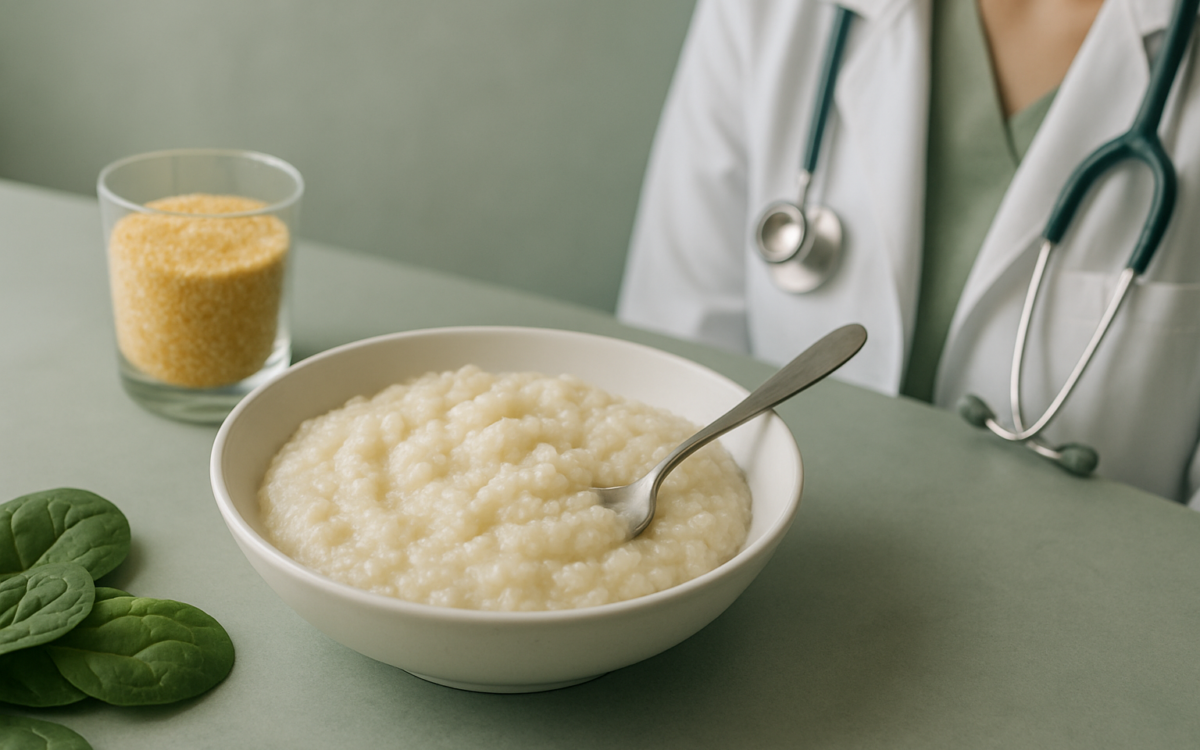
If you’ve ever had a delightful bowl of grits, you may have wondered about their health benefits. This classic Southern dish is made from ground corn and is a staple in many households. Whether served savory or sweet, grits are versatile and loved by many. However, the question remains: are grits healthy? Let’s explore their nutritional profile, health benefits, and any potential concerns.
The Nutritional Profile of Grits
Grits are primarily made from corn, and their nutritional value can vary depending on how they are processed. The two main types of grits are:
- White grits: Made from white corn, they tend to have a milder flavor.
- Yellow grits: These are made from yellow corn and often have a nuttier taste.
A typical serving of cooked grits (about one cup) contains:
- Calories: 182
- Carbohydrates: 38 grams
- Protein: 4 grams
- Fat: 1.5 grams
- Fiber: 1.5 grams
Grits also contain vitamins and minerals, such as B vitamins and iron. Whole grain versions of grits, or those made from the entire corn kernel, offer more fiber and nutrients. Eating whole grains is associated with several health benefits, including better digestion and lower risks of heart disease.
Health Benefits of Grits
Eating grits can have several health benefits, especially when incorporated into a balanced diet. Here are some key advantages:
1. Rich in Carbohydrates
Grits are high in carbohydrates, providing a good source of energy. This is particularly beneficial for those with active lifestyles or who engage in regular exercise.
2. Low in Fat
With only a small amount of fat, grits can be a heart-healthy option when cooked without excessive butter or cheese. The low-fat content supports a balanced diet without adding unnecessary saturated fats.
3. Gluten-Free Option
If you have celiac disease or gluten sensitivity, grits can be a great alternative to gluten-containing grains. Made from corn, they are naturally gluten-free, allowing those with dietary restrictions to enjoy a hearty dish.
4. Versatile and Tasty
One of the best aspects of grits is their versatility. They can be served in a variety of ways, from creamy and cheesy to savory with shrimp or vegetables. This adaptability allows you to enjoy them while also keeping your meals interesting.
Considerations for Your Diet
While grits can be a healthy addition to your diet, there are a few factors to consider:
1. Processed vs. Whole Grain
Not all grits are created equal. Instant grits and those that are heavily processed may contain added sodium and fewer nutrients. Opt for stone-ground or whole grain grits when possible to maximize your health benefits.
2. Portion Control
As with any food, moderation is key. Grits can be calorie-dense, especially when you add high-calorie toppings. Be mindful of portion sizes to maintain a balanced intake.
3. Sodium Content
If you’re watching your sodium intake, be cautious about how you prepare your grits. Many packaged varieties can contain added salt, which may contribute to high blood pressure if consumed in excess.
International Perspectives on Grits
In various cultures around the world, similar dishes to grits exist. For example, polenta in Italy, and cornmeal porridge in Caribbean countries are made from ground corn as well. If you’re curious about how these dishes are served or prepared globally, organizations like Acibadem International provide insights into various cuisines and health practices internationally.
When to See a Doctor
If you’re unsure how to incorporate grits into your diet, or if you have specific dietary restrictions, it’s a good idea to consult with your healthcare provider or a registered dietitian. They can provide personalized recommendations based on your health needs.
Conclusion
In conclusion, grits can be a healthy food choice when chosen and prepared mindfully. They are rich in carbohydrates, low in fat, and gluten-free, making them a versatile option for many diets. By considering serving sizes and product types, you can enjoy this Southern staple while reaping its health benefits.
