
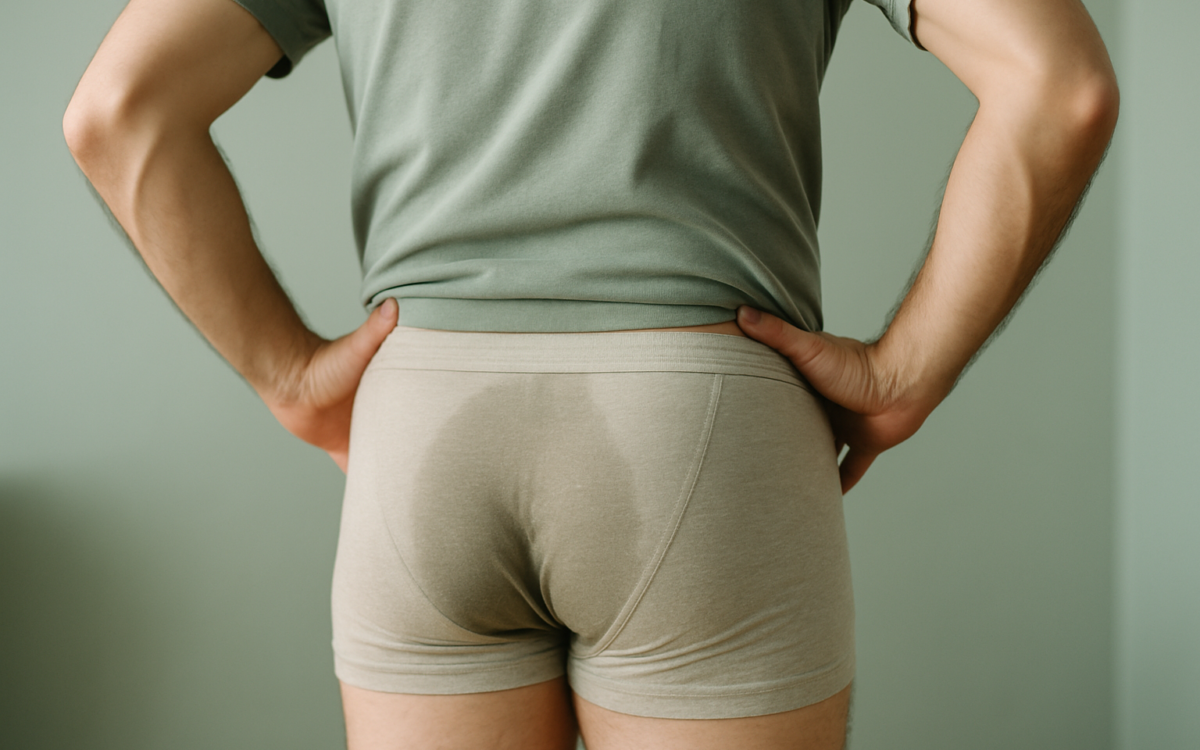
Swamp ass is a term that often elicits giggles and raised eyebrows, but it signifies a real and uncomfortable condition that many people experience, particularly during the warmer months. This informal term refers to excessive sweating in the buttock area, leading to moisture buildup and irritation. While it may sound humorous, swamp ass can cause discomfort and even skin problems if left unaddressed. Understanding the causes, prevention strategies, and ways to find relief is essential for anyone prone to this pesky issue.
What Causes Swamp Ass?
At its core, swamp ass is caused by a combination of heat, moisture, and friction. Several factors can contribute to this uncomfortable experience:
- Heat and humidity: Hot, humid weather can lead to increased sweating. When sweat on your skin doesn’t evaporate, it can create a moist environment that leads to swamp ass.
- Physical activity: Engaging in exercise or activities that involve movement can cause you to sweat more in areas where skin rubs together, like the buttocks.
- Clothing choices: Tight-fitting clothes made from non-breathable fabrics can trap moisture and exacerbate sweating and irritation.
- Skin conditions: Certain skin conditions, such as dermatological issues and infections, can also be worsened by moisture.
Signs and Symptoms
Swamp ass usually presents itself with some clear symptoms. Recognizing them can help you address the problem as soon as it arises:
- Chafing: You may feel irritation, redness, or pain in the affected area due to skin rubbing against itself or clothing.
- Odor: Increased sweating can lead to unpleasant odors, as moisture can promote bacterial growth.
- Rashes: The humid environment may lead to conditions like intertrigo, where inflammation occurs in skin folds.
Prevention Techniques
Preventing swamp ass can save you from discomfort and embarrassment. Here are some effective strategies:
- Choose the right fabrics: Opt for breathable, moisture-wicking fabrics like cotton or specialized athletic wear that can help keep sweat away from your skin.
- Stay dry: Use talcum powder or cornstarch to absorb moisture and reduce friction. Apply it before engaging in activities that make you sweat.
- Adjust your wardrobe: Wear loose-fitting clothing that allows air circulation and minimizes sweat accumulation.
- Maintain hygiene: Regularly wash and dry the area to reduce the risk of infections or irritation.
- Stay hydrated: Drinking plenty of water helps regulate body temperature and may reduce excessive sweating.
Home Remedies for Relief
If you find yourself suffering from swamp ass, there are a few home remedies that may provide relief:
- Cool compress: Apply a cool, damp cloth to the affected area for relief from heat and irritation.
- Over-the-counter treatments: Consider using antibacterial ointments or creams to soothe chafed skin.
- Hydrocortisone cream: For more persistent irritation, a mild hydrocortisone cream may help to reduce inflammation and itching.
Changing the Lifestyle
Making small lifestyle changes can also minimize the occurrence of swamp ass:
- Shower regularly: Ensure you regularly cleanse the area to remove sweat and bacteria.
- Avoid irritants: Be cautious with soaps and lotions that contain fragrances or harsh chemicals, as they may worsen irritation.
- Consider weight management: Excess weight can increase friction and sweat production. A healthy diet and regular exercise might help mitigate this.
When to See a Doctor
While swamp ass is generally a minor issue, there are occasions when it’s essential to consult a healthcare professional:
- If you experience severe pain or discomfort in the affected area.
- If you notice signs of infection, such as increased swelling, redness, pus, or fever.
- If irritation persists despite home treatment and lifestyle changes.
For more information on skin conditions and hygiene, you can visit reputable sources like the Mayo Clinic or the Centers for Disease Control and Prevention.
In conclusion, swamp ass is a common condition that can cause discomfort but can be managed and prevented with the right knowledge and strategies. By choosing breathable clothing, maintaining good hygiene, and taking steps to minimize moisture, you can avoid the irritation that comes with this all-too-familiar issue. Remember to listen to your body, and when in doubt, don’t hesitate to consult a healthcare professional for guidance.
