
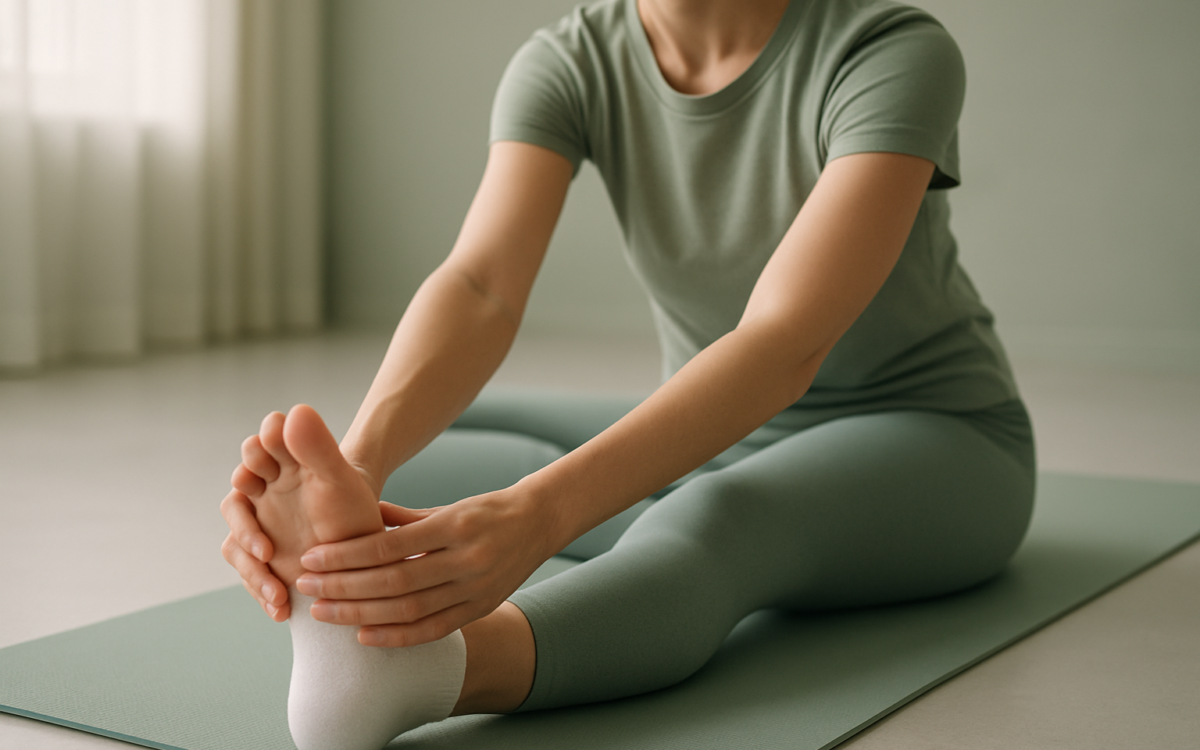
Stretching is an often-overlooked aspect of fitness that can significantly enhance your overall well-being. A consistent stretching routine can improve flexibility, reduce the risk of injuries, and even aid in stress relief. Whether you’re an athlete trying to improve performance or someone looking to maintain mobility, incorporating stretching into your daily life is essential.
Benefits of Stretching
Understanding why stretching is important can motivate you to establish a routine. Here are some key benefits:
- Improved Flexibility: Regular stretching can increase the range of motion in your joints and muscles, making everyday tasks easier.
- Injury Prevention: Stretching helps prepare your muscles for activity, reducing the likelihood of strains and sprains.
- Pain Relief: Many people experience tension and soreness in their bodies. Stretching can alleviate discomfort and promote relaxation.
- Enhanced Performance: For athletes, stretching can improve performance by allowing for a greater degree of movement, possibly leading to better results in sports.
- Stress Reduction: Taking time to stretch can provide a moment to breathe and relax, helping to lower stress levels.
When to Stretch
It’s important to know when to incorporate stretching into your routine. Here are some effective times:
- Before Exercise: Dynamic stretches are useful here as they warm up the muscles and get them ready for activity.
- After Exercise: Static stretches can help cool down your muscles and maintain flexibility after your workout.
- Throughout the Day: Taking short stretching breaks, especially if you sit for long periods, can keep your muscles loose and counteract stiffness.
Different Types of Stretches
There are various types of stretches, each serving different purposes:
Static Stretching
This type involves holding a stretch for a certain period (usually 15-30 seconds). It’s ideal for post-exercise stretches and is great for improving flexibility.
Dynamic Stretching
Unlike static stretching, dynamic stretching involves movement. These stretches mimic the activity you’re about to perform, helping to prepare your muscles. Examples include leg swings and arm circles.
Proprioceptive Neuromuscular Facilitation (PNF)
PNF is a more advanced form involving a combination of stretching and contracting muscles. It often requires a partner and can help significantly enhance flexibility.
Creating Your Stretching Routine
Now that you understand the benefits and types of stretches, here’s a simple routine you can follow. Be sure to listen to your body and never push into pain:
Basic Stretching Routine
- Neck Stretch: Gently tilt your head to one side, holding for 15 seconds on each side.
- Shoulder Stretch: Bring one arm across your body, using the opposite arm to gently pull it closer to your chest. Hold for 15 seconds on each arm.
- Triceps Stretch: Raise one arm overhead, bending at the elbow. Use the opposite hand to gently push down on the elbow. Hold for 15 seconds on each side.
- Quad Stretch: Standing on one foot, grab the opposite ankle behind your body and pull it towards your glutes. Hold for 15 seconds on each side.
- Hamstring Stretch: Sit on the floor with one leg extended. Reach for your toes on that leg while keeping the other leg bent. Hold for 15 seconds on each leg.
- Calf Stretch: Stand facing a wall. Place one foot behind the other and press the back heel down. Hold for 15 seconds on each side.
This routine can be done daily or several times a week, depending on your needs and schedule. Remember that consistency is key to seeing improvements.
Stretching Around the World
Stretching is a universal practice, embraced in various forms across cultures. In places like Japan, stretching is often included in morning exercise routines, promoting overall wellness. In other regions, dance-based stretching practices, like ballet or the Brazilian martial art, Capoeira, integrate flexibility into their training. You may find that certain international treatments focus on holistic approaches that emphasize the benefits of flexibility in managing health challenges, which can be explored further at acibademinternational.com.
Staying Safe While Stretching
While stretching is beneficial, it’s important to practice safety to avoid injuries:
- Warm Up First: Always warm up with light movements before stretching to increase blood flow to your muscles.
- Don’t Bounce: Avoid bouncing during stretches as this can lead to muscle strains.
- Focus on Breathing: Breathing deeply can help you relax into each stretch.
- Know Your Limits: Stretch only to the point of mild discomfort, not pain.
When to See a Doctor
If you experience persistent pain or discomfort during stretching, or if you have prior injuries that limit your range of motion, consider consulting a healthcare provider. They can provide guidance on safe stretching practices and help identify any underlying issues that may need to be addressed.
In summary, a well-structured stretching routine can greatly enhance your flexibility, prevent injuries, and improve your overall quality of life. By incorporating stretches into your daily activities, you’ll be working towards a healthier and more active lifestyle.
