
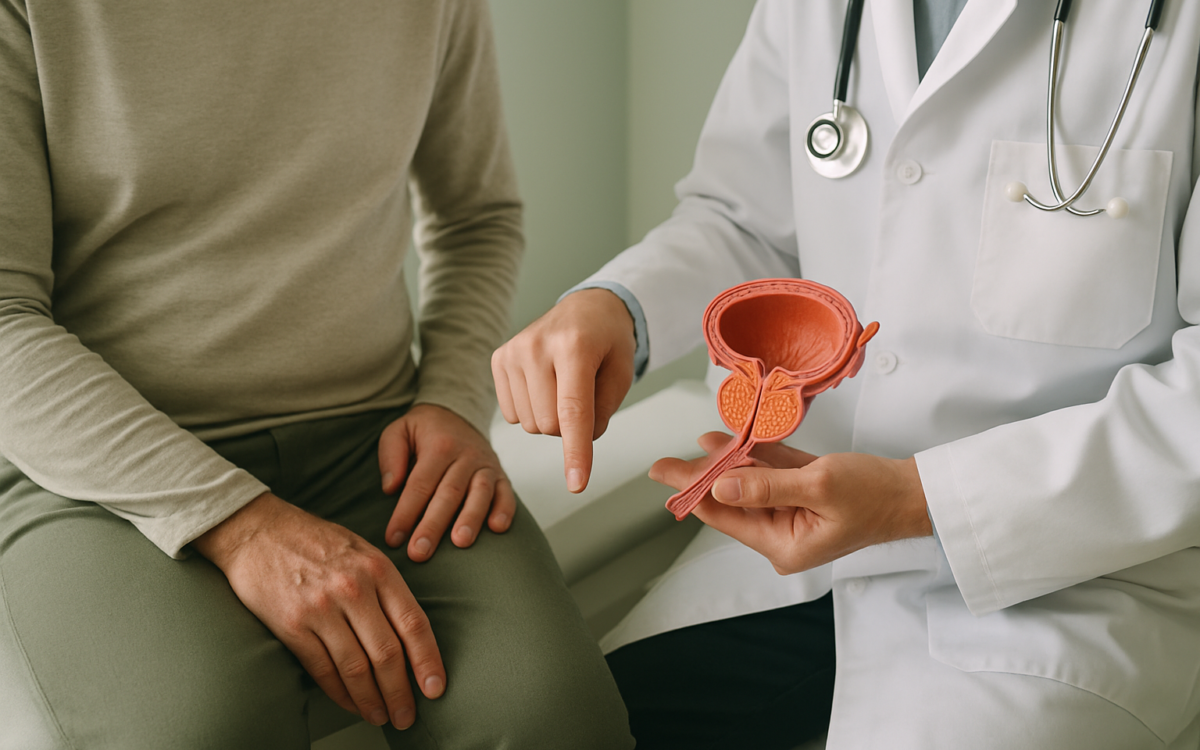
The prostate is a small gland that plays a vital role in a man’s reproductive system. It is essential for producing a fluid that nourishes and transports sperm. Understanding where the prostate is located can help men become more aware of their health and aid in discussions with healthcare professionals. In this article, we will explore the prostate’s location, its functions, and common issues that may arise.
What is the prostate?
The prostate is a walnut-sized gland situated below the bladder and in front of the rectum. It surrounds the urethra, the tube that carries urine and semen out of the body. This placement means that any changes or swelling in the prostate can affect both urinary and sexual functions.
Where is the prostate located?
To visualize the location of the prostate, imagine the male pelvis as a bowl. The prostate sits at the lower part of this bowl, along the midline of the male pelvis. Here’s a breakdown of its anatomical position:
- Above the prostate: The bladder is located directly above the prostate gland.
- Below the prostate: The rectum sits just behind the prostate, making it accessible during a digital rectal exam.
- In front of the prostate: The pubic bone is positioned in front of the prostate.
- Beside the prostate: Seminal vesicles, other glands that contribute fluid to semen, are located on either side of the prostate.
This anatomical placement is essential to understand, especially during medical examinations, as conditions affecting the prostate can lead to secondary symptoms in the bladder and rectum.
Functions of the prostate
The primary function of the prostate is to produce a fluid that nourishes and transports sperm. This fluid constitutes about 30% of the semen volume and plays several roles in reproduction:
- Nutrition: The fluid provides nutrients to sperm, giving them the energy they need for mobility.
- Support: Prostatic fluid helps create an environment for sperm, aiding in their survival in the female reproductive tract.
- Protection: The fluid contains substances that help protect sperm from microbial infections.
Beyond its reproductive functions, the prostate also contributes to controlling urine flow through its close relation to the urethra. This enables the gland to influence urinary function, making awareness of its health crucial for men.
Common diseases affecting the prostate
Understanding where the prostate is located also involves awareness of possible health issues. Several conditions can affect the prostate, and while they might present in different ways, being informed can empower men to seek timely medical advice:
- Benign Prostatic Hyperplasia (BPH): This condition involves enlargement of the prostate and is common in older men. Symptoms might include difficulty urinating and frequent urination.
- Prostatitis: This inflammation of the prostate can be caused by infection or other factors. It may lead to pain during urination and other urinary issues.
- Prostate Cancer: A serious condition where cells in the prostate grow uncontrollably. Early detection is crucial and can lead to more effective treatment options.
Recognizing these conditions and understanding their relation to prostate health can be beneficial for men, particularly as they age.
How to maintain prostate health
While many factors influencing prostate health, such as age and genetics, are uncontrollable, there are several proactive measures that may contribute to maintaining prostate health:
- Regular check-ups: Discuss with your healthcare provider when you should begin regular prostate examinations, especially if you have a family history of prostate issues.
- Healthy diet: A diet rich in fruits, vegetables, and healthy fats may benefit prostate health. Foods high in antioxidants, such as tomatoes and berries, can support overall health.
- Physical activity: Regular exercise can help maintain a healthy weight and enhance overall health, reducing the risk of conditions affecting the prostate.
- Avoiding smoking and excessive alcohol: Limiting these habits is advisable, as they may harm overall health and contribute to various diseases.
Maintaining a dialogue with your healthcare provider about prostate health can empower you to take active steps in managing your well-being.
When to see a doctor
Recognizing symptoms early can lead to better treatment outcomes. If you experience any of the following, it’s essential to consult a healthcare professional:
- Difficulty starting or stopping urination
- Painful urination or ejaculation
- Blood in urine or semen
- Persistent pain in the lower back, hips, or pelvis
- Frequent urge to urinate, especially at night
Don’t hesitate to reach out to your healthcare provider for an evaluation if you notice these symptoms
Conclusion
Understanding where the prostate is located and how it functions is key to appreciating its role in men’s health. By being informed about potential health concerns and taking preventive measures, men can foster a proactive approach to their health. Regular check-ups and open conversations with healthcare providers will ensure that any issues are recognized and addressed early on. Your prostate health is part of your broader health journey—stay informed and engaged for a healthier future.
