
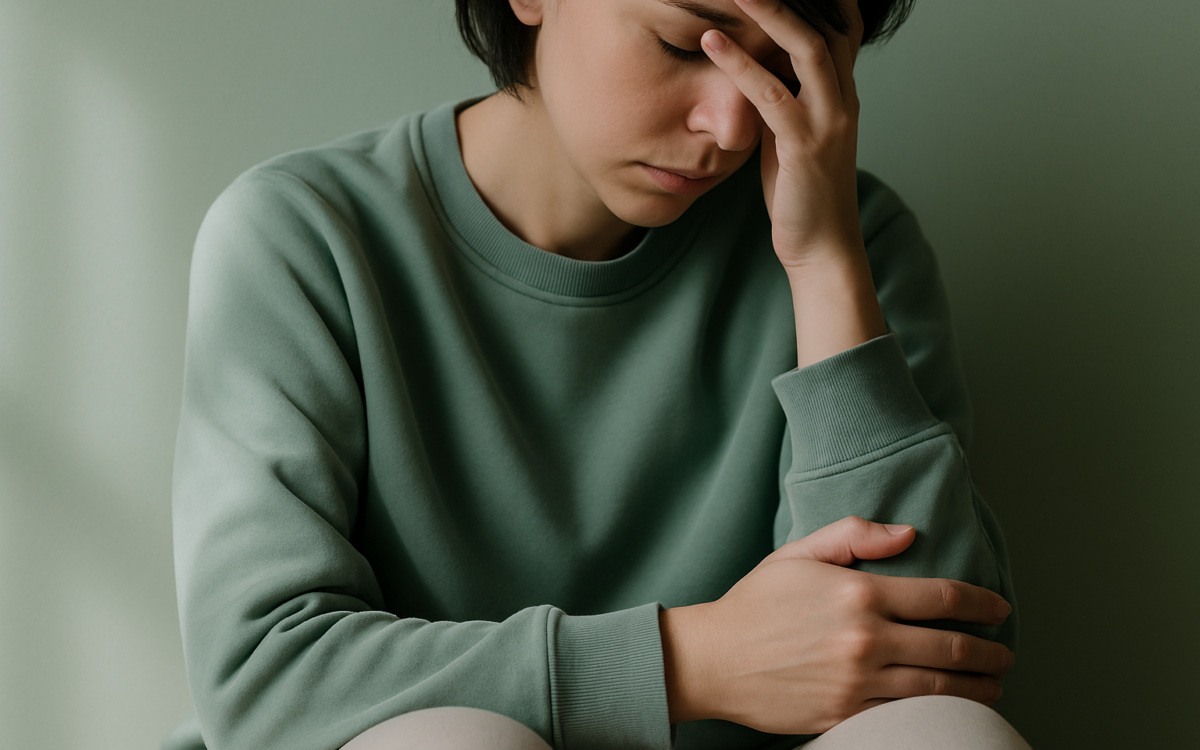
Anxiety is something many people experience, yet it can feel very unique to each individual. Understanding what anxiety feels like can help those who suffer from it feel less isolated. In this article, we’ll look at the various sensations and symptoms associated with anxiety, drawing on a blend of psychological research and personal accounts.
Physical symptoms of anxiety
Anxiety can manifest in a variety of physical ways. These symptoms can sometimes mimic more serious health issues, making it crucial to recognize them in context. Some common physical symptoms include:
- Rapid heart rate: Individuals may feel their heart racing, even when at rest.
- Sweating: A sudden onset of sweating, particularly in social situations, is common.
- Trembling or shaking: Feelings of nervousness can result in tremors in the hands or legs.
- Shortness of breath: Anxiety may create a feeling of being unable to catch your breath.
- Muscle tension: Individuals often report feeling tightness in their muscles, particularly around the shoulders and jaw.
- Gastrointestinal issues: Nausea, stomach aches, or changes in bowel habits can occur.
These symptoms can appear unexpectedly, often in situations that trigger anxiety, such as public speaking or meeting new people. Understanding that these physical sensations are part of anxiety can help you feel more empowered when they occur.
Emotional and psychological sensations
Anxiety is not just physical; it fundamentally alters emotional states. Common feelings reported by those experiencing anxiety include:
- Fear: A persistent, overwhelming fear can cause a sense of impending doom.
- Worry: Constant rumination on negative outcomes can drain mental energy.
- Irritability: Heightened levels of anxiety can make one more prone to anger or frustration.
- Feelings of unreality: Some may experience depersonalization, feeling disconnected from themselves or their surroundings.
- Dread: Anticipation of future events may be filled with anxiety rather than excitement.
These feelings may ebb and flow, making it hard to predict when anxiety will be at its worst. Furthermore, emotional responses can sometimes lead to avoidance behaviors. For example, someone who feels anxious about flying may choose to avoid planes altogether. This avoidance can often exacerbate feelings of anxiety over time.
Different types of anxiety disorders
Anxiety is not a one-size-fits-all condition. Several specific anxiety disorders can create unique sets of symptoms and feelings. Some of the most common include:
- Generalized Anxiety Disorder (GAD): This condition includes excessive worry about everyday events.
- Panic Disorder: Characterized by recurrent panic attacks, which can lead to intense fear and physical symptoms, often resulting in a fear of future attacks.
- Social Anxiety Disorder: This involves intense fear and avoidance of social interactions.
- Specific Phobias: These are intense fears related to particular objects or situations, such as heights or spiders.
- Post-Traumatic Stress Disorder (PTSD): Following a traumatic event, individuals may experience severe anxiety triggered by reminders of the trauma.
Recognizing the specific type of anxiety disorder can guide individuals toward effective treatment options. For those looking for options beyond their local resources, exploring treatment in Turkey may provide additional avenues for care, especially for severe cases or specialized therapies.
The impact of anxiety on daily life
Anxiety doesn’t just sit in a vacuum; it intricately affects daily life and relationships. Personal, social, and work aspects can all be influenced by ongoing anxiety. Here are some common ways anxiety interferes:
- Reduced productivity: Anxiety can lead to difficulty concentrating and impaired decision-making.
- Avoidance of responsibilities: Those with anxiety may miss out on work or social obligations.
- Strained relationships: Friends and family may not fully understand what an anxious person is experiencing, leading to miscommunication.
- Higher likelihood of substance use: Some individuals might turn to alcohol or recreational drugs to cope with anxiety symptoms.
These effects can lead to feelings of shame or embarrassment, making it even more crucial for individuals to seek understanding and support. Building a solid support network can make a significant difference for those struggling with anxiety.
Strategies for coping with anxiety
While everyone’s experience with anxiety differs, there are several strategies that can be helpful in managing feelings of anxiety:
- Breathing exercises: Simple techniques like deep breathing can slow your heart rate and promote relaxation.
- Mindfulness and meditation: Engaging in mindfulness practices can ground you in the present moment.
- Exercise: Physical activity can enhance mood and reduce symptoms of anxiety.
- Talk to someone: Sharing your feelings with friends, family, or a mental health professional can provide relief and understanding.
- Limit caffeine and alcohol: These substances can exacerbate anxiety symptoms and might lead to more feelings of panic or nervousness.
Implementing these coping strategies can help lessen the grip of anxiety and improve overall quality of life.
When to see a doctor
If your anxiety is interfering with daily activities, relationships, or emotional wellbeing, it may be time to consult a healthcare professional. They can offer support, a diagnosis, and provide effective treatment options.
Conclusion
Anxiety can feel overwhelming, whether it’s the physical sensations, emotional turmoil, or social challenges it brings. Understanding what anxiety feels like can help demystify it and encourage individuals to seek support. Remember, you are not alone in this experience, and help is available.
