
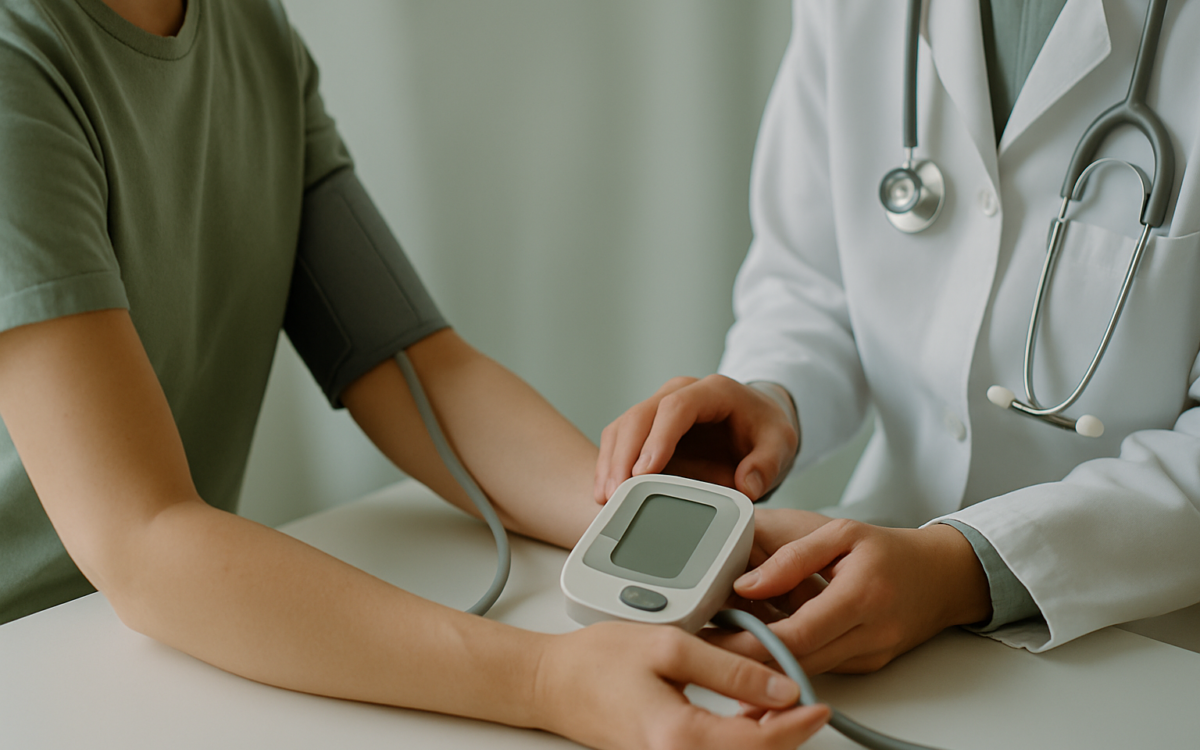
Blood pressure is a vital sign that tells us about the force of blood against the walls of our arteries. It plays a crucial role in our overall health, yet many people do not fully understand what their blood pressure readings mean or why they matter. In this article, we will explore what blood pressure is, the different types, their causes, and how to maintain healthy levels.
What is Blood Pressure?
Blood pressure is the measurement of the force exerted by circulating blood on the walls of blood vessels. It is typically expressed in two numbers: systolic and diastolic pressure. Systolic pressure is the highest level, occurring when the heart beats and pumps blood. Diastolic pressure occurs when the heart relaxes between beats.
A typical blood pressure reading is given in millimeters of mercury (mmHg), presented as systolic over diastolic (e.g., 120/80 mmHg). Knowing your blood pressure numbers can help you and your healthcare provider gauge your heart health.
Types of Blood Pressure
- Normal Blood Pressure: A reading of less than 120/80 mmHg is considered normal.
- Elevated Blood Pressure: Readings between 120-129 systolic and less than 80 diastolic are labeled as elevated. This is a warning sign for potential hypertension.
- Hypertension Stage 1: This stage is defined by readings of 130-139 systolic or 80-89 diastolic.
- Hypertension Stage 2: Readings of 140/90 mmHg or higher indicate Stage 2 hypertension, a more severe form that often requires medication.
- Hypertensive Crisis: A medical emergency occurs when blood pressure exceeds 180/120 mmHg. Immediate medical attention is required.
Causes of High Blood Pressure
Understanding the causes of high blood pressure (hypertension) is essential for prevention. Here are some common risk factors:
- Genetics: A family history of hypertension can increase your risk.
- Obesity: Carrying excess weight can lead to higher blood pressure.
- Physical Inactivity: A sedentary lifestyle contributes to weight gain and high blood pressure.
- Unhealthy Diet: High sodium and saturated fat intake can elevate blood pressure.
- Alcohol and Tobacco Use: Consuming excessive alcohol and smoking can both raise blood pressure.
- Stress: Chronic stress may contribute to high blood pressure.
- Age: Blood pressure often increases with age.
How to Manage Blood Pressure
Managing your blood pressure is crucial for maintaining overall health. Here are some effective strategies:
1. Maintain a Healthy Diet
Focus on a diet rich in fruits, vegetables, whole grains, and lean proteins while limiting processed foods high in sodium. The DASH (Dietary Approaches to Stop Hypertension) diet is particularly beneficial for lowering blood pressure.
2. Exercise Regularly
Regular physical activity strengthens your heart and can help lower blood pressure. Aim for at least 150 minutes of moderate aerobic activity or 75 minutes of vigorous activity each week.
3. Limit Alcohol and Quit Smoking
Reducing alcohol intake and quitting smoking can significantly improve heart health and lower blood pressure.
4. Manage Stress
Find healthy ways to cope with stress, such as yoga, meditation, or deep-breathing exercises.
5. Regular Monitoring
Keep track of your blood pressure readings. Regular monitoring can help you and your healthcare provider make informed decisions about your health.
When to See a Doctor
If you frequently notice high or low blood pressure readings, or if you experience symptoms like severe headaches, dizziness, or shortness of breath, it is important to consult your doctor. They can assess your condition and provide guidance on the next steps you should take.
Conclusion
Understanding blood pressure and its implications for your health can empower you to make informed choices. Regular check-ups, a healthy lifestyle, and being aware of the signs of hypertension are crucial in maintaining heart health. Remember, if you have concerns about your blood pressure, it’s always best to consult your healthcare provider. Keeping track of your blood pressure is not just about reading numbers; it’s about taking charge of your health.
