
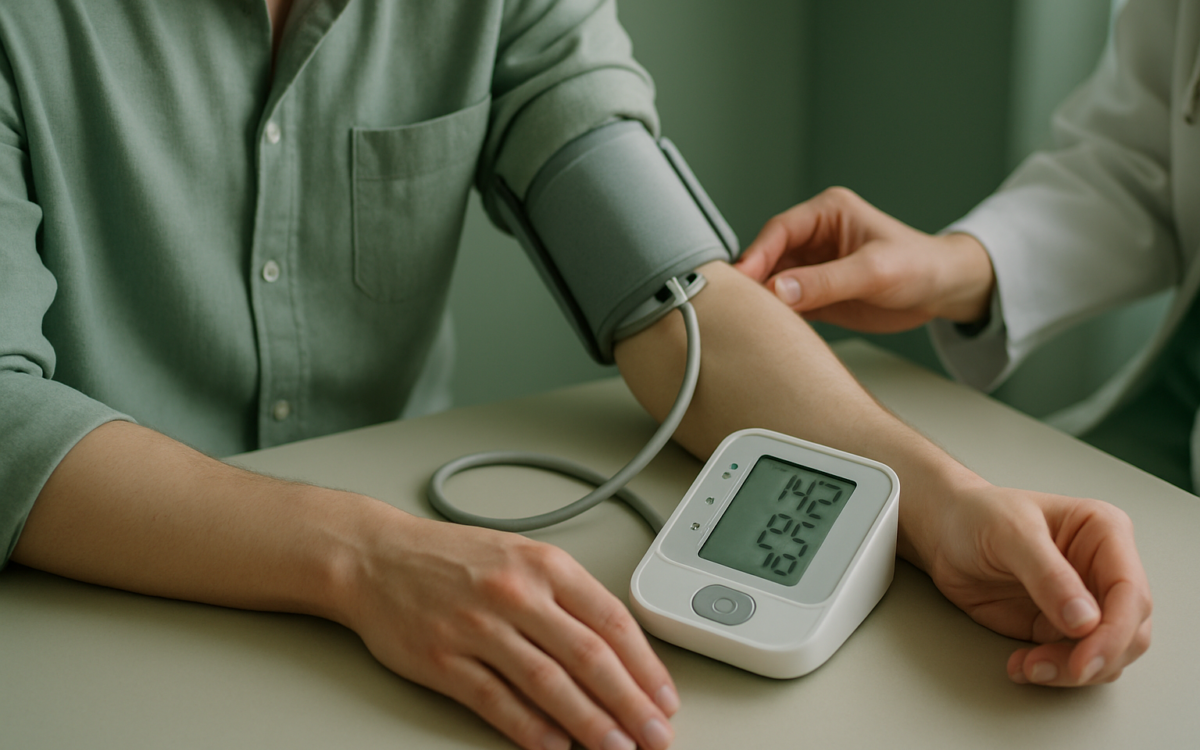
High blood pressure, or hypertension, is often called a silent killer because many people don’t realize they have it until complications arise. Among the different stages of hypertension, Stage 1 is particularly important to understand, as it affects millions of adults worldwide. This article will walk you through what Stage 1 hypertension is, its causes, symptoms, and how to manage it effectively.
What is Stage 1 Hypertension?
Hypertension is classified into different stages based on systolic and diastolic blood pressure readings (in mmHg). Stage 1 hypertension is characterized by a systolic pressure of 130-139 mmHg or a diastolic pressure of 80-89 mmHg. For context, normal blood pressure is generally considered to be below 120/80 mmHg. Understanding this classification is key to recognizing your blood pressure status and taking appropriate action.
Causes of Stage 1 Hypertension
Several factors can contribute to Stage 1 hypertension:
- Genetics: Family history plays a significant role. If your parents had high blood pressure, you might be at a higher risk.
- Lifestyle Choices: Poor dietary habits, lack of physical activity, excessive alcohol consumption, and smoking can all elevate blood pressure significantly.
- Age: Blood pressure often increases with age as your blood vessels become less elastic.
- Stress: Chronic stress may lead to temporary increases in blood pressure, and if left unchecked, it could contribute to long-term hypertension.
- Chronic Conditions: Conditions like diabetes or high cholesterol can increase the chance of developing hypertension.
Recognizing the Symptoms
One of the challenges with hypertension, especially in its early stages, is that it usually has no obvious symptoms. This is why regular monitoring is essential. However, some people may experience:
- Headaches
- Dizziness or lightheadedness
- Nosebleeds
- Shortness of breath
- Palpitations (irregular heartbeat)
If you experience any of these symptoms, particularly if they are severe or sudden, it’s crucial to seek medical attention.
Impact of Stage 1 Hypertension
If left unaddressed, Stage 1 hypertension can progress to more severe stages, increasing the risk of heart disease, kidney damage, stroke, and other serious health issues. Research from the NIH indicates that even moderate increases in blood pressure can have a profound impact on cardiovascular health. Thus, timely interventions are crucial.
Managing Stage 1 Hypertension
Management of Stage 1 hypertension typically involves lifestyle changes. Here are some steps to consider:
- Healthy Diet: Following a balanced diet rich in fruits, vegetables, whole grains, and lean proteins can help lower blood pressure. The DASH (Dietary Approaches to Stop Hypertension) diet is often recommended for those with high blood pressure.
- Regular Exercise: Aim for at least 150 minutes of moderate aerobic activity each week. Activities such as walking, biking, or swimming can be beneficial.
- Limit Alcohol and Quit Smoking: Reducing alcohol intake and quitting smoking can significantly lower your blood pressure.
- Stress Management: Practices such as mindfulness, yoga, and meditation can help reduce stress and its contribution to high blood pressure.
- Regular Monitoring: Keep track of your blood pressure readings at home and have regular check-ups with your doctor.
Medications for Stage 1 Hypertension
In some cases, lifestyle changes alone may not be sufficient. If your doctor deems it necessary, they may prescribe medication to help control your blood pressure. The type of medication will depend on several factors, including your overall health and any other conditions you may have.
When to See a Doctor
If you suspect you have high blood pressure or are experiencing symptoms such as severe headaches, shortness of breath, or chest pain, it is important to reach out to a healthcare provider promptly. Regular check-ups are essential, especially if you have risk factors for hypertension.
Conclusion
Stage 1 hypertension is a common yet manageable health condition. By understanding its causes, recognizing symptoms, and adopting lifestyle changes, you can take steps to control your blood pressure and reduce your risk of serious complications. Remember, early intervention is key, so don’t hesitate to consult your doctor for personalized advice and treatment options.
