
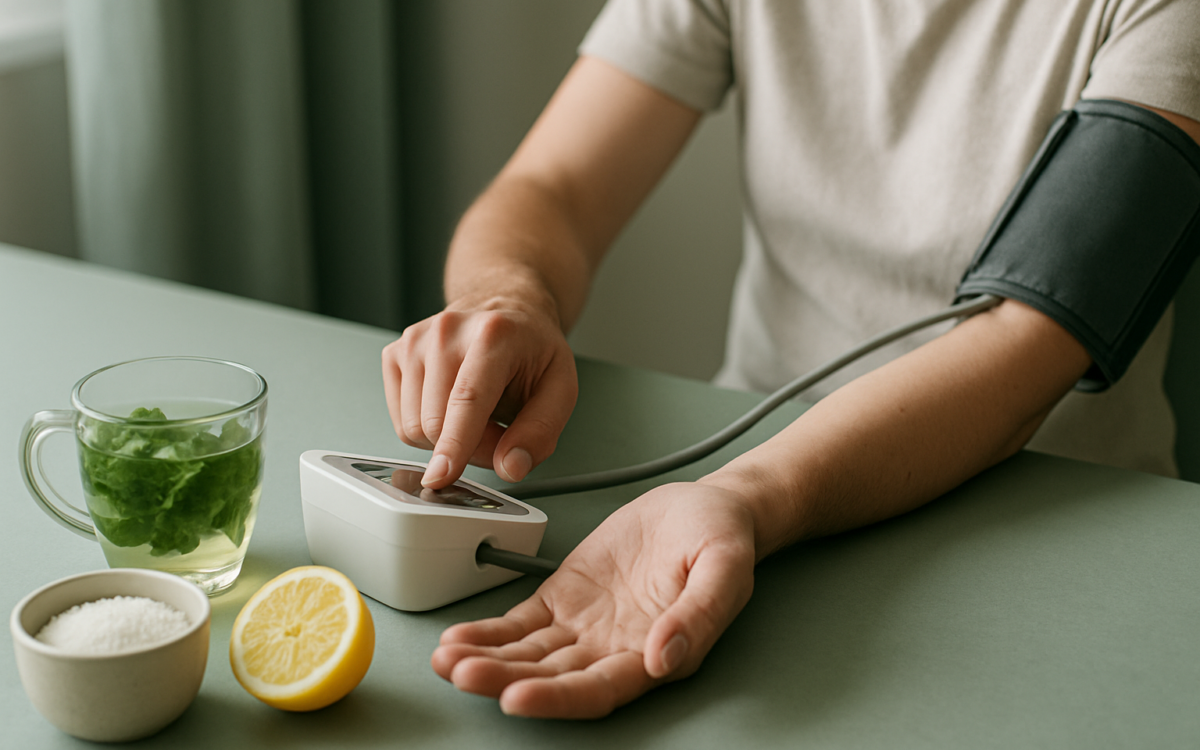
Many people don’t realize that high blood pressure, or hypertension, can be managed from the comfort of home. While a healthcare provider can prescribe medications, there are several immediate, evidence-based lifestyle changes and home remedies you can employ to help lower your blood pressure quickly. These approaches are often simple and can integrate easily into your daily routine.
Understanding Blood Pressure
Blood pressure is the force of blood pushing against the walls of your arteries. When this pressure is consistently too high, it can lead to serious health issues such as heart disease and stroke. Recognizing how diet, stress, and lifestyle choices affect your blood pressure can be the first step towards managing it effectively.
1. Breathe Deeply: The Power of Relaxation
Stress is a known contributor to high blood pressure. Taking time to relax can help lower your numbers instantly. Deep breathing exercises remain one of the simplest techniques to combat stress. Here’s how to do it:
- Find a comfortable position, either sitting or lying down.
- Close your eyes and take a deep breath in through your nose, allowing your belly to expand.
- Count to four as you inhale, then hold your breath for a count of four.
- Slowly exhale through your mouth for a count of six.
- Repeat this cycle for about five to ten minutes.
This exercise not only calms your mind but can also lead to a quick reduction in blood pressure. Research shows that mindfulness and relaxation techniques can significantly impact hypertension management (NIH).
2. Stay Hydrated: Water and Blood Pressure
Dehydration can result in higher blood pressure levels. Ensuring you drink enough water throughout the day can help maintain blood volume and, consequently, regulate blood pressure. If you’re feeling thirsty or if it’s a hot day, increase your fluid intake. Aim for at least eight glasses a day, but adjust based on your body size, climate, and levels of physical activity.
3. Snack Smart: Potassium-Rich Foods
Diet plays a vital role in blood pressure management. Incorporating potassium-rich foods into your snacks can help counteract sodium’s effects, which are known to raise blood pressure. Here are some great options:
- Bananas
- Potatoes
- Spinach
- Oranges
- Avocados
These foods can help to balance electrolytes in the body and may lead to a natural reduction in blood pressure. A study suggested that increasing potassium intake could significantly help in reducing hypertension (available at WHO).
4. Physical Activity: Move to Lower Blood Pressure
Even short bursts of physical activity can reduce blood pressure. If you have access to a treadmill, exercise bike, or even if you can step outside, try engaging in moderate exercise for at least 10-15 minutes. Activities like brisk walking, cycling, or light jogging can be very effective. Aim for at least 30 minutes of physical activity on most days of the week to maintain healthy blood pressure levels.
5. Cut Back on Salt: Salty Snacks
Excess sodium in your diet can lead to higher blood pressure. When preparing meals or snacking, focus on reducing salt intake. Here are some tips:
- Opt for fresh or frozen vegetables instead of canned versions, which often contain added salt.
- Try seasoning foods with herbs and spices instead of salt.
- Be wary of processed foods, which can contain high levels of sodium.
Reducing salt intake is essential for those with hypertension, and studies have shown that even small reductions in sodium can decrease blood pressure levels significantly (CDC).
6. Dark Chocolate: The Sweet Solution
Did you know that dark chocolate (with at least 70% cocoa) can have a positive effect on blood pressure? Flavanols in dark chocolate can help improve circulation and lower blood pressure. Enjoy a small piece as a tasty treat, but be mindful of portion sizes to keep your overall intake in check. Research indicates that moderate consumption (about one ounce) can contribute to cardiovascular health.
Important Notes
While these home remedies can be helpful in managing blood pressure, they are not substitutes for professional medical advice or treatment. Always consult with a healthcare provider for individualized recommendations, especially if you have chronic hypertension or other health conditions.
When to See a Doctor
If you experience consistently high blood pressure readings, or if you have symptoms like headaches, vision changes, or chest pain, seek medical attention immediately. Regular check-ups can help identify any needs for further treatment or intervention.
Conclusion
Managing blood pressure can often feel overwhelming, but with simple home remedies, you can take charge of your health. Incorporating these easy-to-implement strategies into your daily routine can help maintain healthy blood pressure levels without excessive reliance on medication. Remember, it’s essential to consult your doctor for a tailored plan that works best for you. You have the power to influence your health through lifestyle choices!
