
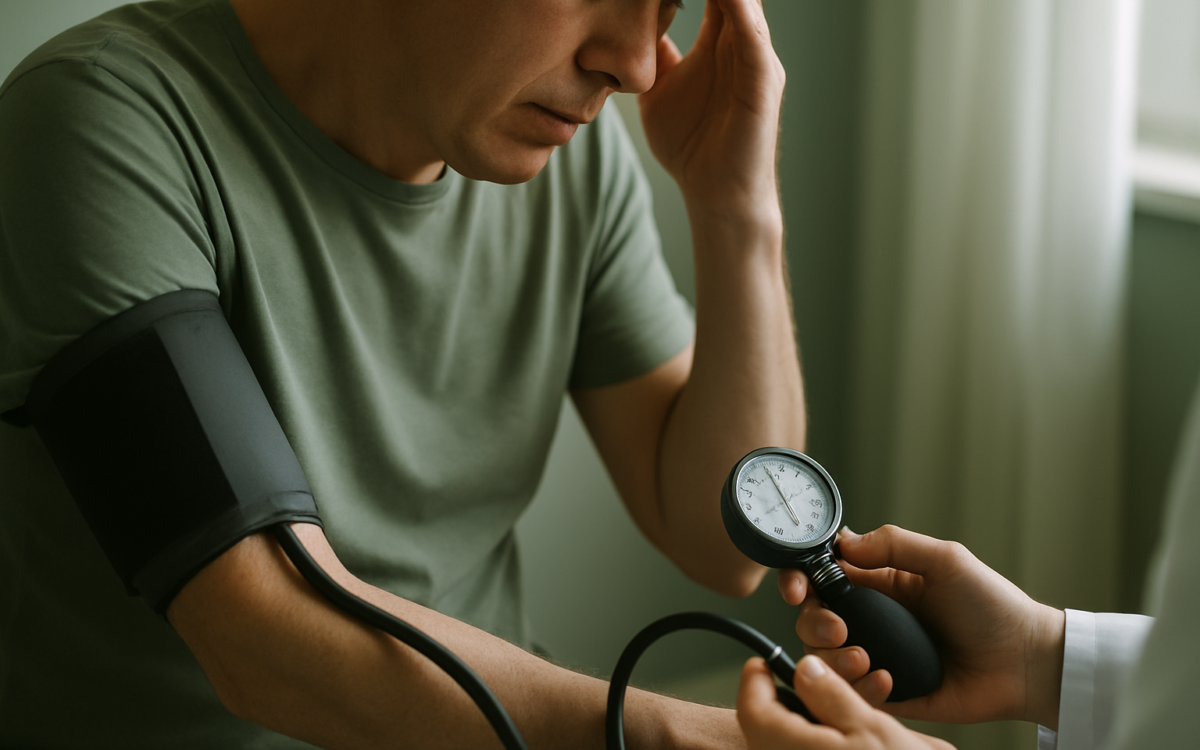
High blood pressure, commonly known as hypertension, is often referred to as a silent killer. Many people may have it and not even know, as symptoms can be elusive. Understanding what high blood pressure feels like and its effects on the body is crucial for maintaining your health and well-being.
What is High Blood Pressure?
High blood pressure occurs when the force of blood against your artery walls is too high. This condition can lead to serious health problems, including heart disease and stroke, if not managed. Blood pressure is measured in millimeters of mercury (mmHg) and is expressed as two numbers: systolic pressure (the pressure when your heart beats) over diastolic pressure (the pressure when your heart rests between beats). A reading of 130/80 mmHg or higher is considered high blood pressure according to the CDC.
Common Symptoms of High Blood Pressure
Many individuals with high blood pressure experience few or no symptoms. However, some people may report certain feelings or manifestations when blood pressure rises. Here are a few common symptoms:
- Headaches: Persistent headaches, especially in the morning, can signal high blood pressure.
- Dizziness: You may feel lightheaded or dizzy, particularly when standing up suddenly.
- Nosebleeds: Frequent or unexplained nosebleeds can be a sign of elevated blood pressure.
- Shortness of breath: Difficulty breathing during rest or mild activity can occur.
- Blurred vision: Changes in vision can result from damage to blood vessels in the eye due to high blood pressure.
While these signs can be related to high blood pressure, they may also indicate other health issues. Monitoring your blood pressure regularly is essential for early detection of hypertension.
Why High Blood Pressure is Often Asymptomatic
The reason hypertension is called a silent killer is that many people do not experience noticeable symptoms until their condition has progressed significantly. This can be dangerous, as it allows the disease to wreak havoc on the cardiovascular system without warning. Regular medical check-ups can help identify high blood pressure early, even in the absence of symptoms.Research indicates that untreated high blood pressure can lead to severe complications, including heart attack and kidney failure.
Factors That Contribute to High Blood Pressure
A variety of factors can contribute to the development of high blood pressure, including:
- Genetics: A family history of hypertension can increase your risk.
- Diet: High salt intake, excessive alcohol consumption, and a diet low in fruits and vegetables can elevate blood pressure.
- Lack of physical activity: Sedentary lifestyles contribute to weight gain, which raises blood pressure.
- Obesity: Excess weight increases strain on the heart and can raise blood pressure significantly.
Understanding these risk factors can help you take preventive measures to maintain healthy blood pressure levels.
Testing and Diagnosis
Since high blood pressure is often asymptomatic, the only way to know if you have it is to have your blood pressure checked. This can be done in a doctor’s office or at home using a home blood pressure monitor. If your readings are consistently high, your doctor might recommend additional tests to assess your cardiovascular health and other factors related to hypertension.
When to See a Doctor
If you experience any of the symptoms mentioned earlier or if you know you have high blood pressure and your condition seems to be worsening, it’s important to consult your doctor. Regular check-ups can help catch hypertension early and allow for more effective management. Never hesitate to reach out for professional medical advice if you have concerns.
Conclusion
Understanding what high blood pressure feels like is vital for everyone, especially those at risk. Awareness of the subtle signs and regular blood pressure monitoring can lead to early detection and improved health outcomes. If you suspect you may have high blood pressure, make an appointment with your healthcare provider to discuss your symptoms and get tested. Staying informed is the first step toward taking control of your health.
