
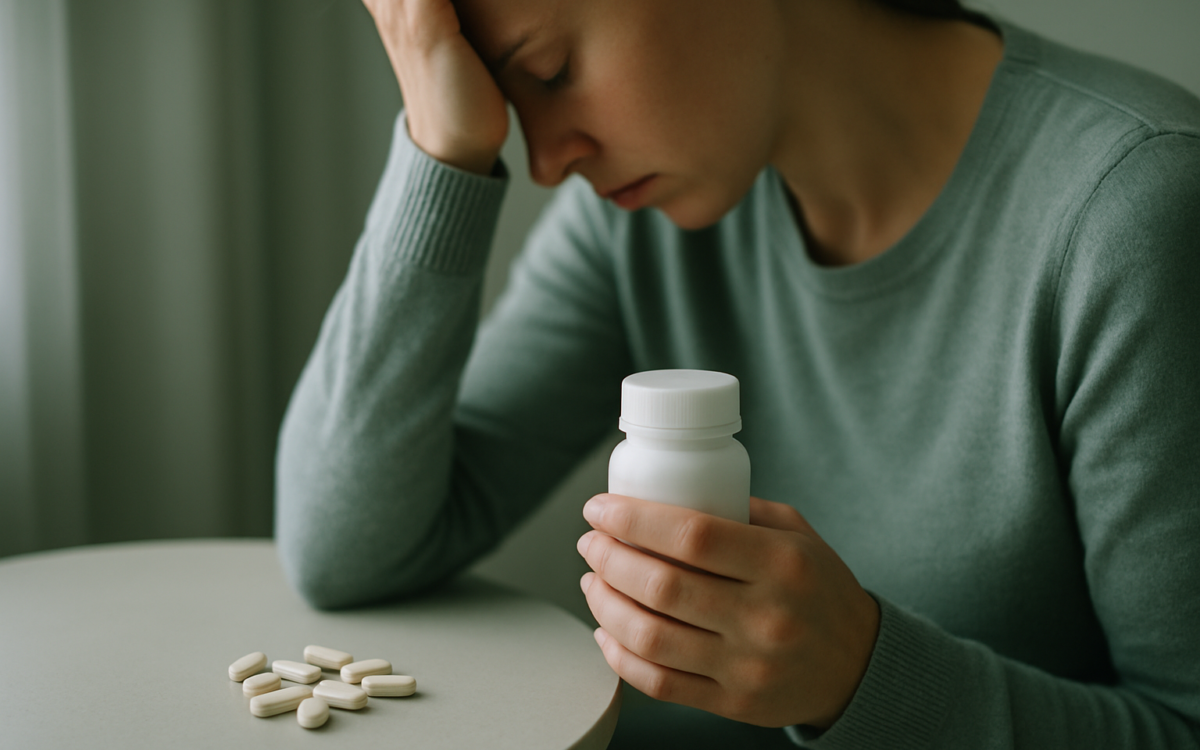
Anxiety and depression are common mental health challenges that can significantly impact daily life. Many individuals find themselves facing both issues simultaneously, leading to an increased need for effective treatment options. Anxiety medication, often prescribed to manage anxiety disorders, can also play a role in alleviating symptoms of depression. This article explores how these medications work, their potential benefits, and important considerations for treatment.
Understanding Anxiety and Depression
Anxiety involves a feeling of worry or fear that can be overwhelming and constant. Symptoms can include nervousness, rapid heart rate, and difficulty concentrating. On the other hand, depression is characterized by persistent sadness, low energy, and loss of interest in activities once enjoyed. While they are distinct conditions, anxiety and depression frequently occur together, sometimes complicating treatment.
How Anxiety Medications Work
There are several types of medication used to treat anxiety, and some of them can also be effective in managing depressive symptoms. The most common categories include:
- Antidepressants: These medications are often prescribed for both anxiety and depression. Selective serotonin reuptake inhibitors (SSRIs) are frequently used and can help balance chemicals in the brain that affect mood.
- Benzodiazepines: These are typically used for short-term relief of severe anxiety symptoms. They work quickly but are not generally recommended for long-term use due to the risk of dependence.
- Beta-blockers: While mainly used to treat heart conditions, beta-blockers can help reduce the physical symptoms of anxiety, such as rapid heartbeat.
Benefits of Anxiety Medication for Depression
For some individuals, anxiety medications can significantly improve overall well-being by addressing both anxiety and depression. Benefits may include:
- Improved Mood: Medications like SSRIs can elevate mood and reduce the symptoms of both anxiety and depression.
- Enhanced Functionality: When anxiety is under control, individuals are often better able to focus on daily tasks and enjoy life.
- Better Sleep: Reducing anxiety can lead to improved sleep quality, which is vital for overall mental health.
Research supports the use of anxiety medications in treating depression. According to the National Institutes of Health, combining medications with therapy can enhance treatment outcomes.
Potential Side Effects and Considerations
While anxiety medications can be effective, they also come with potential side effects. Some common side effects include:
- Nausea
- Drowsiness
- Weight gain
- Sexual dysfunction
It’s essential to discuss these side effects with your healthcare provider, who can help monitor your experience and adjust treatment as necessary. Some individuals may need to try several medications before finding the one that works best for them.
International Treatment Perspectives
Treatment options for anxiety and depression can vary widely across different countries. In some countries, there may be a greater emphasis on holistic approaches that combine medication with lifestyle changes like diet and exercise. For those considering international treatment options, resources such as acibademinternational.com can provide insights into world-class mental health care available worldwide.
When to See a Doctor
It’s essential to seek professional help if you experience symptoms of anxiety and depression that affect your daily life. Signs that it’s time to consult a doctor include:
- Persistent feelings of sadness or anxiety that do not seem to improve
- Withdrawing from friends and family
- Difficulty managing daily responsibilities
- Having thoughts of self-harm or suicide
A healthcare provider can evaluate your symptoms, discuss potential treatment options, and create a personalized plan that may include therapy or medications.
Conclusion
Anxiety medication can be an integral part of treatment for individuals dealing with both anxiety and depression. Understanding how these medications work, their benefits, and potential side effects can empower you to make informed decisions about your mental health. Remember, consulting with a healthcare professional is the best way to determine the right approach for your unique situation.
