
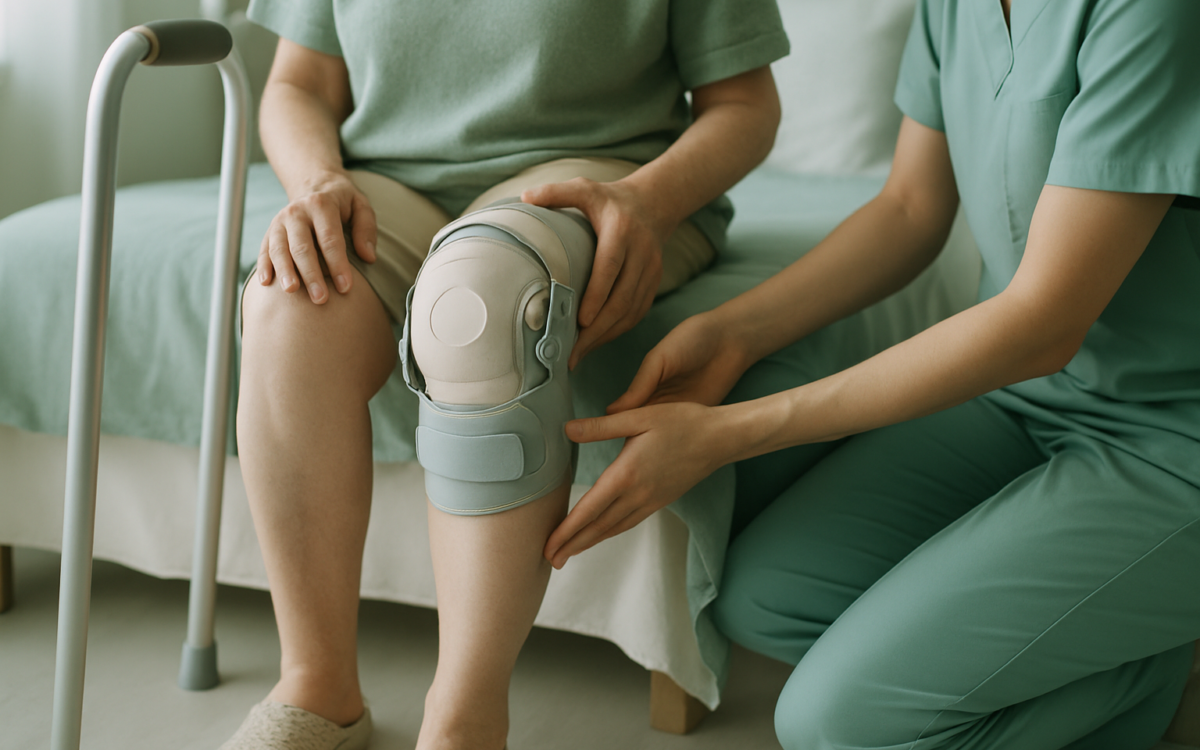
Undergoing knee replacement surgery can feel overwhelming, but understanding the recuperation period can make the journey smoother. Knowing what to expect during recovery helps alleviate anxiety and allows you to prepare both mentally and physically.
What to Expect in the Recovery Timeline
The knee replacement recuperation period typically unfolds in several phases. While every individual’s experience may vary, it’s crucial to have a general timeline in mind.
First Few Days
After your surgery, you will spend a few days in the hospital. This period focuses on pain management, monitoring your vital signs, and beginning basic mobility exercises. Patients usually start with simple movements like bending and extending the knee. Rehabilitation specialists will be right there to guide you.
Weeks 1 to 3
Once you’re home, the first few weeks of recuperation are all about building strength and mobility. You may use crutches or a walker as you get used to moving around. It’s also common to have swelling and some pain, which can be managed with medications prescribed by your doctor. Regular, gentle exercise is essential at this stage, which helps improve blood circulation and promotes faster healing.
Physical Therapy: An Essential Component
Physical therapy is a critical part of the knee replacement recuperation period. Most patients begin this process within a few days post-surgery. A physical therapist will guide you through exercises tailored to your needs. The goals of physical therapy include:
- Improving flexibility and range of motion
- Strengthening the muscles around the knee
- Enhancing overall mobility
- Teaching proper techniques for daily activities
Consistency is key. Attending scheduled therapy sessions and completing home exercises will significantly affect your recovery speed and overall results.
Managing Pain and Discomfort
Pain can be one of the more challenging aspects of recovery. Your doctor will typically prescribe medications to help manage discomfort during the first weeks. However, many patients find that over-the-counter pain relievers like acetaminophen or ibuprofen can be enough as they progress.
Along with medication, several strategies can assist in comfort during recuperation, including:
- Ice therapy to reduce swelling
- Elevation of the leg
- Gentle massage around the knee area
Always consult with your healthcare provider regarding the best pain management strategies for your specific case.
Return to Daily Activities
The timeline for returning to your usual activities can vary considerably. Most patients can expect to return to light work or everyday tasks within 4 to 6 weeks. However, those with physically demanding jobs might need longer recovery periods.
By 3 to 6 months post-surgery, you will enjoy improved mobility and might even feel well enough to resume higher-impact activities, depending on your individual health and the advice of your medical team. If you are considering treatment abroad for your knee replacement, there are “international patient services” available, offering comprehensive support for recovery while ensuring high-quality medical care.
Long-Term Recovery and Expectations
Complete knee recovery can take up to a year for some individuals. While many feel significantly better in the first few months, the complete healing process involves gradual improvements over time. This long-term phase is essential for:
- Gaining full range of motion
- Optimizing strength
- Adapting to life with your new knee
Stay in close contact with your healthcare team during this period, as they will help monitor your progress. Regular check-ups allow them to advise adjustments to your activities or therapy to support your recovery.
When to See a Doctor
Communication with your doctor is vital throughout your recovery journey. Here are a few signs that warrant your doctor’s attention:
- Sudden or worsening pain
- Significant swelling that does not improve
- Fever over 101°F (38.3°C)
- Drainage or increased redness around the incision site
Don’t hesitate to reach out if you’re unsure about any symptoms. It’s always better to be cautious than to ignore potential issues.
Conclusion
Recuperating from a knee replacement is a journey that varies from person to person. While there will be challenges, staying informed and proactive will help you adapt to your new knee and enhance your quality of life. Focus on your physical therapy, manage your pain effectively, and consult your healthcare team whenever you have questions or concerns.
