
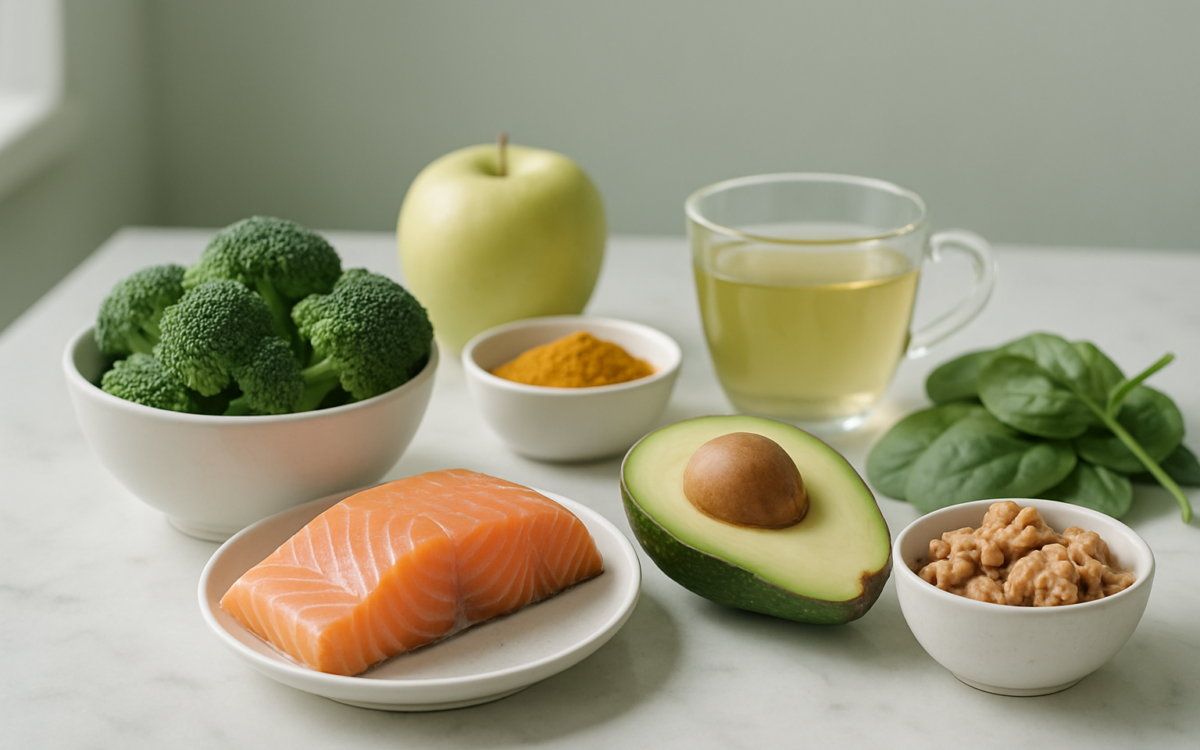
Inflammation is a natural immune response that helps the body heal from injury or illness. However, when inflammation becomes chronic, it can lead to serious health issues, such as heart disease, diabetes, and arthritis. A healthy diet plays a crucial role in managing inflammation. By incorporating certain foods into your meals, you can support your body’s ability to stay balanced and healthy.
Understanding Inflammation
To effectively combat inflammation through diet, it’s essential to understand what it is and how it affects the body. Inflammation is a complex biological response involving immune cells, blood vessels, and proteins. While acute inflammation can be beneficial in fighting off pathogens or healing injuries, chronic inflammation can be damaging. Factors contributing to chronic inflammation include obesity, sedentary lifestyle, stress, and a poor diet.
Foods That Fight Inflammation
Numerous studies indicate that certain foods possess anti-inflammatory properties. Here are some categories of foods that can help reduce inflammation:
Fruits and Vegetables
Colorful fruits and vegetables are packed with antioxidants, vitamins, and minerals that can combat inflammation. Some of the top choices include:
- Berries: Blueberries, strawberries, and raspberries are rich in antioxidants called flavonoids.
- Leafy Greens: Spinach, kale, and collard greens are high in vitamins and minerals, making them excellent choices.
- Cruciferous Vegetables: Broccoli, Brussels sprouts, and cauliflower contain sulforaphane, a compound linked to reduced inflammation.
Healthy Fats
Not all fats are created equal. Healthy fats can help lower inflammation, especially the omega-3 fatty acids found in:
- Fatty Fish: Salmon, mackerel, and sardines are excellent sources of omega-3s.
- Avocados: These fruits are rich in monounsaturated fats and various nutrients.
- Nuts and Seeds: Walnuts, chia seeds, and flaxseeds provide healthy fats and fiber.
Whole Grains
Whole grains are another vital component of an anti-inflammatory diet. They retain more nutrients compared to refined grains. Good options include:
- Oats: A great breakfast choice, oats contain beta-glucans that may help reduce inflammation.
- Brown Rice: This grain is higher in fiber and nutrients than its white counterpart.
- Quinoa: A protein-rich grain that provides all nine essential amino acids.
Spices and Herbs with Anti-Inflammatory Properties
Using herbs and spices in your cooking can add flavor and health benefits. Some of the most studied include:
- Turmeric: Contains curcumin, which has potent anti-inflammatory effects.
- Ginger: Often used to alleviate nausea, ginger also has anti-inflammatory benefits.
- Garlic: Rich in compounds that may help combat inflammation.
A Global Perspective: Treatment Options Beyond Borders
If you are interested in exploring various treatment options for chronic inflammation, consider international approaches to wellness. For example, many people seek treatment in Turkey, where a blend of traditional and modern medical practices are available. These approaches often include dietary changes, supplements, and holistic therapies which focus on reducing inflammation and promoting overall well-being.
Fermented Foods
Fermented foods not only benefit your gut health but also may help reduce inflammation. They can introduce beneficial bacteria to your digestive system, which plays a crucial role in maintaining your immune response. Include:
- Yogurt: Look for options with live active cultures.
- Kefir: A fermented milk drink that’s high in probiotics.
- Kraut and Kimchi: These fermented vegetables can enhance your diet with flavors and nutrients.
Foods to Limit or Avoid
While adding anti-inflammatory foods to your diet is essential, it’s equally important to limit or avoid certain foods that can trigger inflammation. High-sugar foods, processed meats, and trans fats can contribute to chronic inflammation. Here are some specific examples:
- Sugary Drinks: Beverages high in sugar can increase inflammation and contribute to weight gain.
- Processed Snack Foods: Chips and packaged snacks often contain unhealthy fats.
- Refined Carbohydrates: White bread and pastries can also exacerbate inflammation.
When to See a Doctor
If you experience persistent inflammation symptoms, such as swollen joints, fatigue, or pain, it’s important to consult with a healthcare provider. They can help diagnose the underlying cause and create a treatment plan tailored to your needs.
Conclusion
Incorporating inflammation-reducing foods into your diet can support your overall health and well-being. By choosing from a variety of fruits, vegetables, healthy fats, whole grains, and spices, you can create meals that not only taste delicious but also nourish your body. Remember that maintaining a balanced diet and lifestyle is essential in managing inflammation. If you have concerns about inflammation, speak with a healthcare professional to find the best approach for you.
