
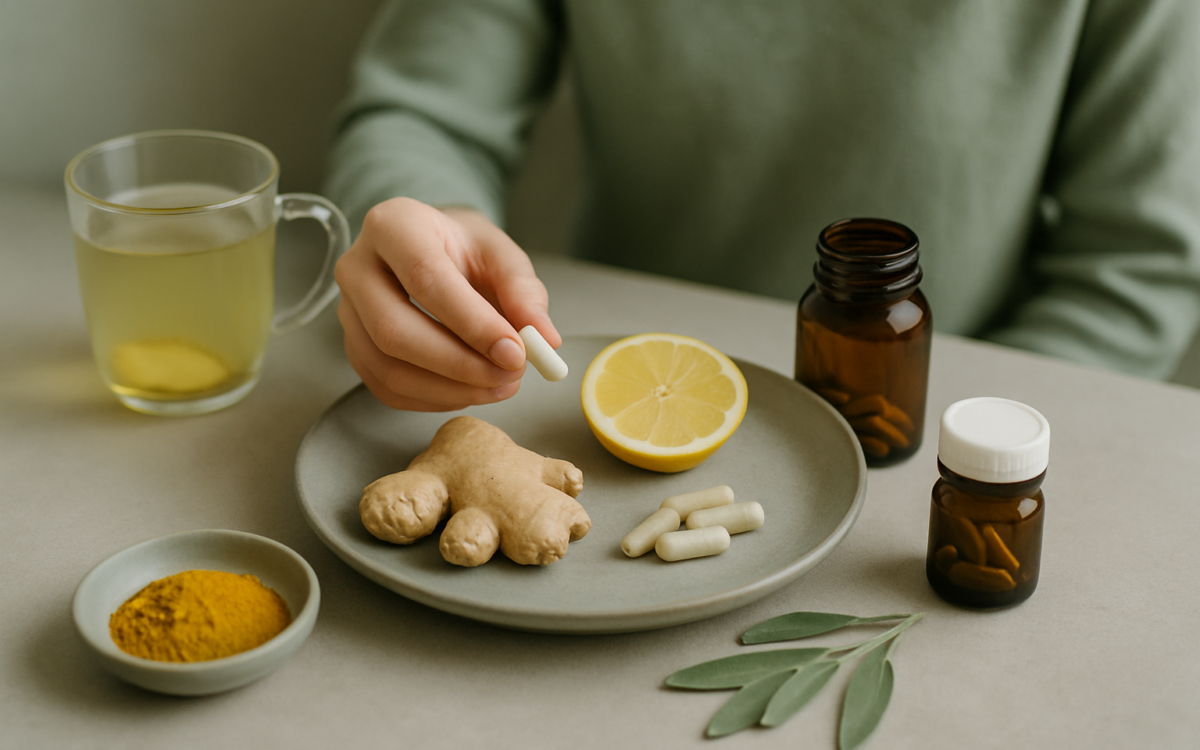
Inflammation is a natural process your body uses to heal itself and defend against harmful invaders like bacteria and viruses. However, chronic inflammation can lead to various health issues, including heart disease, diabetes, and arthritis. Fortunately, many natural anti-inflammatories can help reduce this inflammation while supporting overall health. In this article, we will explore how certain foods, herbs, and lifestyle choices can play a significant role in combating inflammation.
The Role of Inflammation in the Body
To understand the importance of natural anti-inflammatories, it’s crucial to recognize what inflammation is and how it affects your body. Inflammation can be acute, appearing as a quick response after an injury, or chronic, lasting for months or years. While acute inflammation helps your body heal, chronic inflammation can result in tissue damage and contribute to serious health conditions.
Powerful Foods That Fight Inflammation
Including specific foods in your diet can help combat inflammation naturally. Here are some top contenders:
- Fruits and Vegetables: Colorful fruits and vegetables are rich in antioxidants and polyphenols, which can mitigate inflammation. Berries, cherries, spinach, and kale are particularly effective.
- Fatty Fish: Fish such as salmon, mackerel, and sardines are excellent sources of omega-3 fatty acids. These healthy fats have been shown to reduce levels of inflammatory markers. The NIH notes the importance of omega-3s in promoting heart health.
- Nuts and Seeds: Almonds, walnuts, and flaxseeds are rich in healthy fats and have been shown to lower inflammatory markers.
- Whole Grains: Foods like brown rice, quinoa, and barley are high in fiber, which may help reduce inflammation.
Herbs and Spices That Work Wonders
Many herbs and spices are not just flavorful additions to your meals; they also possess anti-inflammatory properties. Here are some to consider:
- Tumeric: Curcumin, the active ingredient in turmeric, has been widely studied for its anti-inflammatory effects. It can be easily added to curries, smoothies, or even teas.
- Ginger: Known for its digestive benefits, ginger also has anti-inflammatory properties. Drinking ginger tea or adding fresh ginger to dishes can be beneficial.
- Garlic: This common kitchen staple contains sulfur compounds that have been shown to reduce inflammation.
The Impact of Lifestyle Changes
Alongside dietary changes, your lifestyle plays a significant role in inflammation. Here are key adjustments that can help:
- Regular Exercise: Engaging in physical activity can help lower inflammation. Aim for at least 150 minutes of moderate-intensity exercise per week, like brisk walking or cycling.
- Sleep: Poor sleep habits can increase inflammation. Aim for 7-9 hours of uninterrupted sleep each night.
- Stress Management: Chronic stress can contribute to inflammation. Techniques such as meditation, yoga, or deep breathing exercises can help manage stress levels.
Incorporating Natural Anti-Inflammatories into Your Diet
Now that you’re aware of some potent natural anti-inflammatories, here’s how to include them in your daily life:
- Start Your Day Right: Consider adding Greek yogurt topped with berries and a sprinkle of flaxseeds to your breakfast.
- Lunch Options: Make a salad loaded with leafy greens, cherry tomatoes, avocados, nuts, and a dressing containing olive oil and garlic.
- Dinner Choices: Cook up a hearty fish dish with a side of brown rice and steamed vegetables seasoned with turmeric and ginger.
- Snacks: Snack on a handful of walnuts or almond butter with apple slices.
Beware of Inflammatory Foods
While considering natural anti-inflammatories, it’s also vital to be aware of foods that can promote inflammation. Reducing processed foods, sugary drinks, and trans fats in your diet can have a significant impact on reducing inflammation. Instead, focus on whole, unprocessed foods for better health.
When to See a Doctor
If you are experiencing chronic inflammation or related symptoms such as persistent pain, fatigue, or digestive issues, it is crucial to consult a healthcare professional. They can help you determine the root cause of your inflammation and recommend appropriate interventions.
For further reading, resources from reputable health organizations like the World Health Organization and Mayo Clinic provide additional insights on inflammation and diet.
Conclusion
Incorporating natural anti-inflammatories into your diet can be a powerful way to manage inflammation and promote overall health. By focusing on a nutrient-rich diet, making lifestyle changes, and being mindful of inflammatory foods, you can harness the healing power of nature for a healthier life.
