
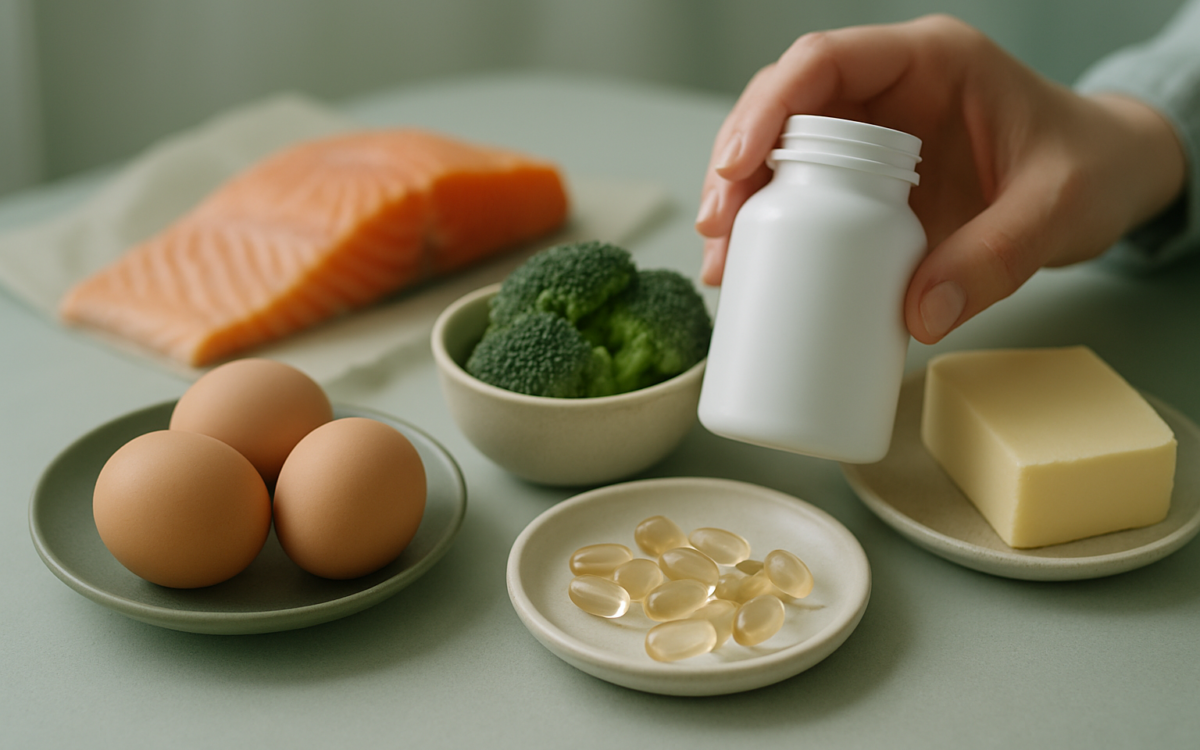
Vitamin D is often called the “sunshine vitamin” because our bodies produce it when exposed to sunlight. However, dietary sources also play a crucial role in maintaining adequate vitamin D levels. Understanding the interactions between vitamin D and various foods can help maximize its benefits for your health.
The Importance of Vitamin D
Vitamin D is essential for several bodily functions, including calcium absorption, bone health, and immune system support. A deficiency in vitamin D can lead to health issues such as osteoporosis, weakened immunity, and increased risk of chronic diseases. While sunlight is a natural source, many people may not get enough exposure, particularly during winter or for those living in northern latitudes.
Food Sources of Vitamin D
To boost vitamin D levels through diet, consider incorporating the following foods:
- Fatty Fish: Salmon, mackerel, and sardines are among the richest food sources.
- Fortified Foods: Many dairy products, cereals, and plant-based milks are fortified with vitamin D.
- Egg Yolks: Eggs contain a small amount of vitamin D, primarily in the yolk.
- Mushrooms: Certain types of mushrooms exposed to ultraviolet light can provide vitamin D.
Understanding Food Interactions
While adding vitamin D-rich foods to your diet is important, it’s also essential to be mindful of how various foods can influence vitamin D absorption and metabolism. Here are some key interactions to consider:
1. Fat Solubility
Vitamin D is a fat-soluble vitamin, which means it is better absorbed when consumed with dietary fats. Including healthy fats like avocados, olive oil, or nuts in your meals can enhance vitamin D absorption. If you’re eating fatty fish or fortified foods, consider including a source of healthy fat to maximize the benefit.
2. Calcium Relationship
Calcium and vitamin D work together to maintain bone health. Foods high in calcium, such as dairy products and leafy greens, can support the role of vitamin D in calcium absorption. When you consume these nutrients together, it optimizes their benefits for your bones.
Foods That May Inhibit Vitamin D Function
While many foods promote the effectiveness of vitamin D, some may hinder its absorption. Here are a few types to be aware of:
1. High-Fiber Foods
Although fiber is important for overall health, excessive intake of high-fiber foods, such as whole grains and legumes, can bind to vitamin D and reduce its absorption. This doesn’t mean you should eliminate these foods; rather, be mindful of the balance in your diet.
2. Processed Foods and Sugar
Highly processed foods and those high in sugars can create inflammation in the body. Chronic inflammation may interfere with vitamin D metabolism, potentially reducing its effectiveness. Instead of reaching for these options, focus on whole foods that nourish your body.
Dietary Supplements and International Perspectives
In some cases, dietary supplements may be necessary to achieve optimal vitamin D levels. Many people, particularly those who may not get enough sunlight, turn to vitamin D supplements. It’s important to note that the effectiveness of these supplements can also be influenced by dietary factors.
For those seeking medical advice or treatment related to vitamin D deficiencies, consulting healthcare specialists internationally can provide additional insights. Institutions like Acibadem International offer expert guidance on managing vitamin D levels and can help create personalized health plans.
When to See a Doctor
If you suspect you have a vitamin D deficiency or are experiencing symptoms such as fatigue, bone pain, or muscle weakness, it’s essential to consult a healthcare professional. They can recommend blood tests to check your vitamin D levels and suggest dietary changes or supplements tailored to your needs.
Conclusion
Understanding vitamin D food interactions is key to ensuring optimal health. By incorporating vitamin D-rich foods and being mindful of your overall diet, you can take charge of your health. Remember, dietary needs can vary from person to person, so it’s wise to consult your doctor for personalized advice.
