
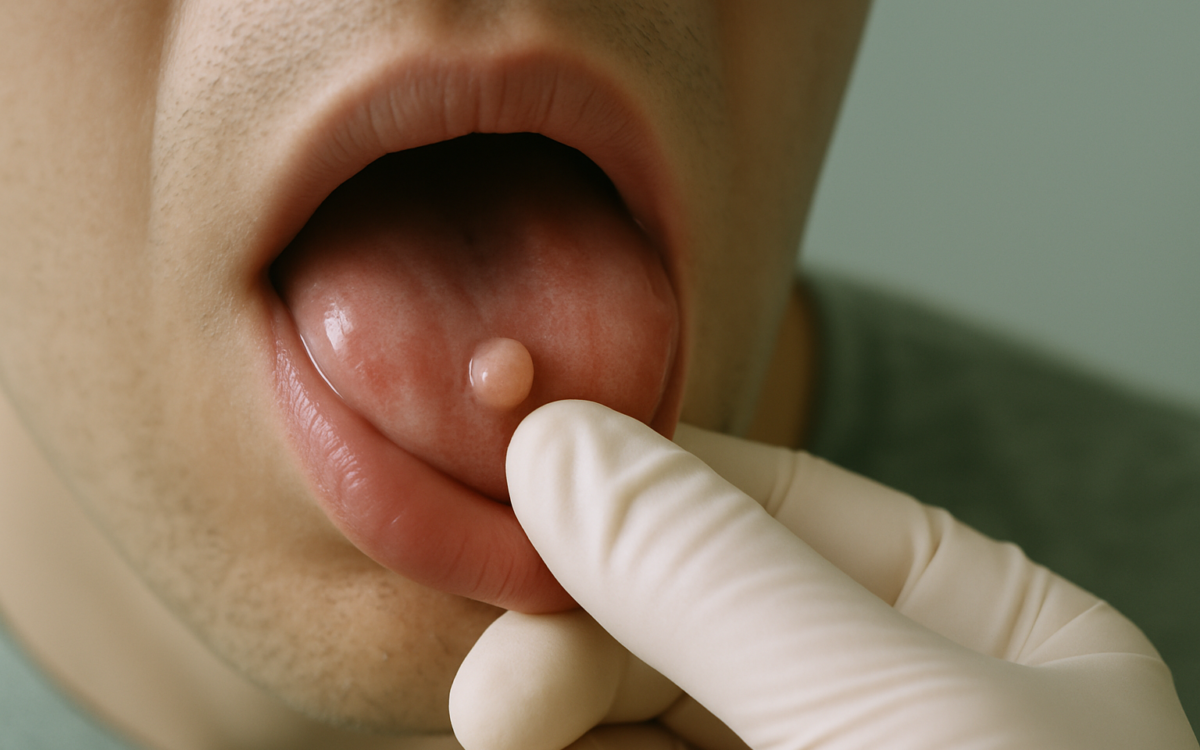
Many people notice changes in their mouths from time to time, but one specific concern can arise: bumps on the underside of the tongue. While this condition might spark anxiety, understanding the various potential causes can help you locate the root of the problem and find reassurance in your findings.
What Are the Common Causes of Bumps?
The bumps that appear on the underside of your tongue can have several different causes. Some common explanations include:
- Canker sores: These small, painful ulcers can appear due to stress, hormone changes, or certain food sensitivities.
- Oral thrush: This fungal infection is caused by the overgrowth of Candida yeast in the mouth, leading to creamy white bumps that may be itchy or painful.
- Allergic reactions: Sometimes, certain foods or oral hygiene products can trigger an allergic response, resulting in itchiness or swelling in your mouth.
- Mucocele: A mucocele is a fluid-filled cyst that usually appears when a salivary gland becomes blocked or damaged.
Identifying Bumps Based on Characteristics
Not all bumps on the underside of your tongue will look the same or present the same symptoms. Understanding the characteristics of the bumps you see can help in identifying their possible causes.
- Color: Bumps may appear white, red, or clear. White bumps may suggest canker sores or oral thrush, while red bumps could indicate irritation or infection.
- Size: Larger bumps are often more concerning. A small bump might be a harmless mucocele, whereas a significantly larger one might require further evaluation.
- Sensitivity: If the bumps are painful or sensitive to touch, this may imply a need for further medical attention.
Possible Symptoms Accompanying Bumps
In addition to the bumps themselves, you might experience other symptoms that can help pinpoint the issue.
- Pain or tenderness: This can occur, especially with canker sores or infections.
- Difficulty swallowing: If swelling is present, you may find it uncomfortable to swallow food or liquids.
- Foul taste or odor: Some infections may lead to an unpleasant taste or bad breath.
When Should You Seek Treatment?
Most bumps on the underside of the tongue are not cause for alarm and often resolve on their own. However, there are specific situations where professional evaluation becomes necessary. If you experience:
- Bumps that do not improve within two weeks
- Severe pain or discomfort
- Swelling that interferes with normal functions
- Additional symptoms such as fever or swollen lymph nodes
Contact your healthcare provider for further assessment. Consulting with a dentist or an oral health specialist may also help address your concerns.
International Considerations for Treatment
For those seeking treatment options, international perspectives can be beneficial. Patients facing long wait times or high costs at home often explore treatment in Turkey, where a combination of innovative practices and affordable healthcare solutions may be attractive. Whether it is a routine examination or specific treatment for bumps, international healthcare can provide a wide range of options to consider.
Home Remedies and Preventative Care
While professional medical advice is crucial for diagnosing causes and prescribing treatment, a few home remedies can help relieve discomfort associated with bumps on the underside of the tongue:
- Saltwater rinse: Gargling with warm saltwater can soothe irritation and keep the area clean.
- Ice chips: Sucking on ice can alleviate pain and swelling.
- Avoiding irritants: If a specific food or product causes a reaction, try eliminating it from your diet for a period to see if the bumps resolve.
When to See a Doctor
While most bumps on the underside of the tongue are benign, it’s essential to know when to consult a doctor. Seek medical advice if:
- You notice persistent bumps that do not disappear
- You experience severe pain, difficulty eating or swallowing
- There is a noticeable change in color or size over time
Conclusion
Bumps on the underside of your tongue can have a variety of causes, but many are harmless and temporary. Recognizing the characteristics and symptoms associated with tongue bumps is the first step toward understanding their significance. If you remain concerned or if symptoms worsen, do not hesitate to consult your healthcare provider for guidance.
