
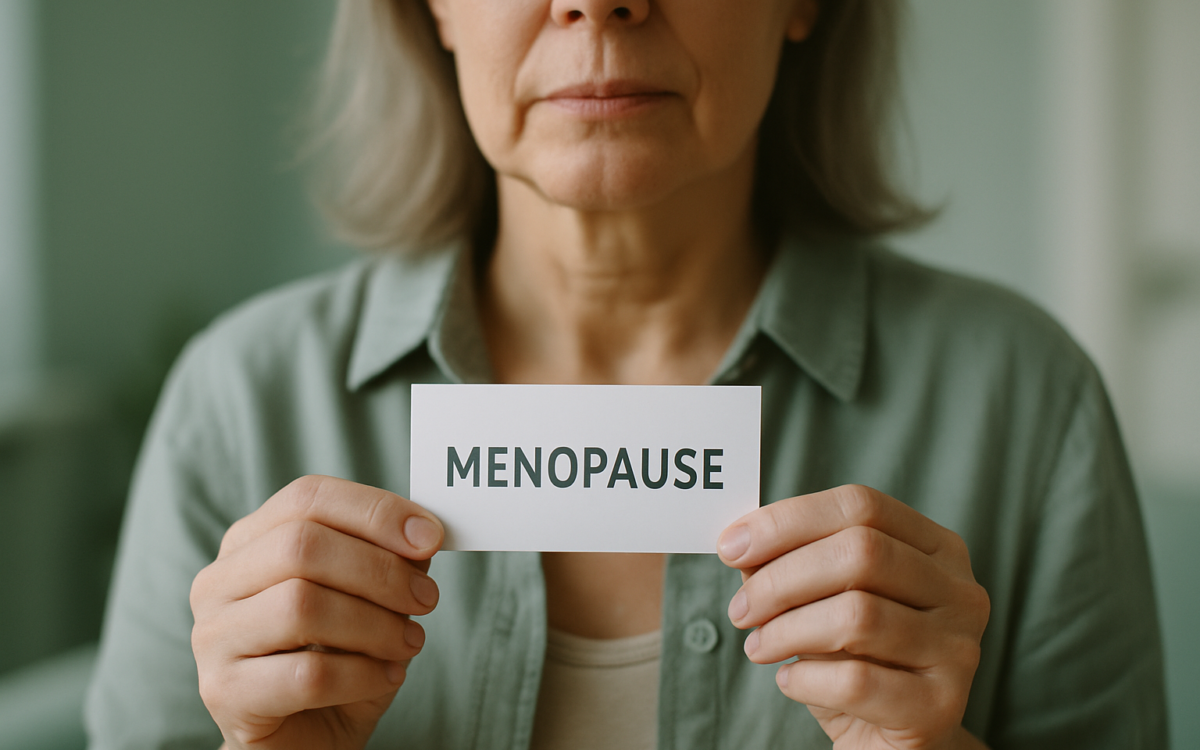
Menopause marks a significant change in a woman’s life, signaling the end of menstrual cycles and the reproductive years. While it represents a natural phase of life, understanding when it typically occurs and what changes accompany it can help women prepare and navigate this transition with confidence.
What is Menopause?
Menopause occurs when a woman’s ovaries stop releasing eggs, leading to a decline in hormone levels, particularly estrogen and progesterone. This transition is officially diagnosed when a woman has not had a menstrual period for 12 consecutive months. The time leading up to menopause is known as perimenopause.
Average Age of Menopause
The average age of menopause in the United States is around 51 years old, although it can occur anywhere between the ages of 45 and 55. Factors such as genetics, lifestyle, and overall health can influence the timing of menopause. For instance, women who smoke may experience menopause earlier than non-smokers.
Understanding Perimenopause
Before menopause, women typically enter a stage called perimenopause, which can last several years. During this time, hormone levels fluctuate, leading to various symptoms. It often begins in a woman’s 40s but can start earlier for some. Common symptoms during perimenopause may include:
- Irrregular periods
- Hot flashes
- Night sweats
- Sleep disturbances
- Mood changes
- Vaginal dryness
Recognizing these symptoms can help women better manage their health during this transitional period.
The International Perspective on Menopause
Menopause is a universal experience, but cultural attitudes about it can vary significantly around the world. In some cultures, menopause is seen as a time of wisdom and newfound freedom, while in others, it may come with stigma and negative perceptions. Access to healthcare and information about menopause also varies globally, which can impact how women experience this phase of life. Women seeking comprehensive treatment options, including hormone therapy or alternative remedies, might find valuable insights on acibademinternational.com. Here, resources are available to help women understand their choices better.
Possible Symptoms and Management
While the average age of menopause is 51, the experience can differ widely among women, with some facing mild symptoms and others experiencing more severe discomfort. Some common management strategies include:
Lifestyle Changes
Implementing lifestyle changes can make a substantial difference in managing symptoms:
- Regular exercise
- Healthy diet rich in calcium and vitamin D
- Staying hydrated
- Practicing stress-reduction techniques like yoga or meditation
Medical Treatments
For women experiencing significant discomfort, several medical treatments are available. Hormone replacement therapy (HRT) is commonly used to alleviate severe symptoms by supplementing the hormones that decrease during menopause. Other medications may also address specific symptoms like hot flashes or mood swings. It’s essential for women to discuss these options with their healthcare provider.
When to See a Doctor
If you’re nearing the average age of menopause (51 years) and experiencing symptoms that disrupt your daily life, it’s a good idea to consult a healthcare professional. They can help confirm that you are in perimenopause or menopause and discuss appropriate management strategies.
Conclusion
Menopause is a natural part of a woman’s life cycle. Understanding the average age of menopause and the changes associated with this period can empower women to seek the support and management they need. By staying informed and proactive, women can navigate this transition with knowledge and confidence.
