
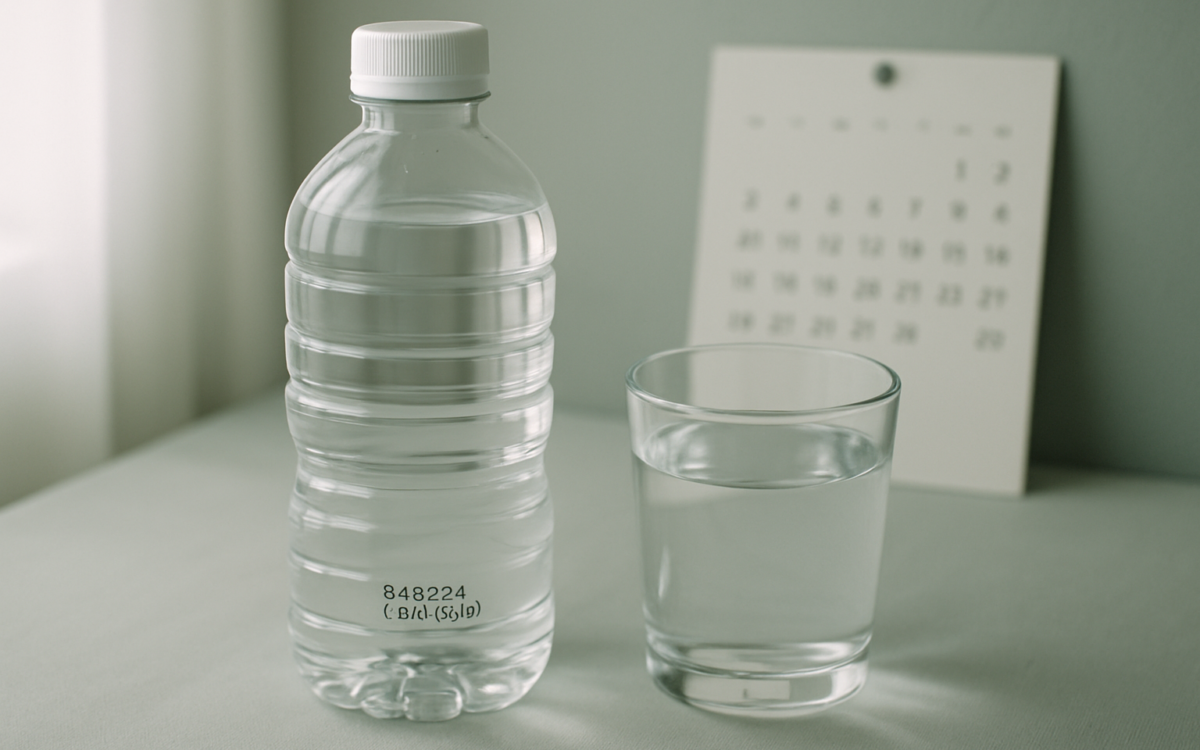
Water is essential for life, and it’s something we often take for granted. But if you’ve ever wondered whether water can expire or go bad, you’re not alone. Many people are curious about the shelf life of bottled water and how to store water safely. In this article, we’ll explore these questions and more, providing you with the information you need to ensure your drinking water is safe and refreshing.
Understanding the basics of water expiration
Unlike food items that have a set expiration date, water itself does not expire. Pure water, when kept in a clean container, remains safe to drink indefinitely. However, there are important factors to consider regarding water storage and quality. Over time, the container that holds the water can affect its safety and taste, particularly if it is made from plastic.
Factors that affect bottled water quality
Bottled water can lose its freshness over time due to a number of factors:
- Container material: Most bottled water is packaged in plastic, which can leach chemicals into the water, especially if exposed to heat or sunlight. It’s recommended to keep bottled water in a cool, dark place to minimize this risk.
- Storage conditions: Water should be stored in a cool location, away from direct sunlight and chemicals (such as cleaning supplies or gasoline), which can contaminate the water.
- Time: While the water itself may be safe indefinitely, the recommended shelf life for bottled water is typically 1-2 years. After this period, it’s best to check for any off-tastes or odors.
Signs that water may not be safe to drink
If you have water that’s been stored for a long time, it’s important to assess its quality before drinking. Here are some signs that could indicate the water is not safe:
- Unusual odor: If water smells strange or off, it could indicate contamination.
- Color changes: Water should be clear and colorless. Any discoloration can hint at impurities.
- Particles or sediment: If you see floating debris or sediment, avoid drinking the water.
Storing water safely for long-term use
If you want to store water for emergencies or long-term use, here are some tips for ensuring its safety:
- Choose the right containers: Use food-grade containers made of glass, stainless steel, or BPA-free plastic.
- Clean the containers: Before filling, thoroughly clean and sanitize your containers to eliminate any potential contaminants.
- Date your containers: Label the containers with the date they were filled. This way, you can keep track of how long they have been stored.
- Rotate your supply: Practice using and replacing your stored water every 6-12 months to ensure freshness.
Special considerations for tap water
Tap water can also raise questions about expiration and safety. Generally, tap water from municipal sources is treated and considered safe to drink. However, its quality can change depending on several factors, including:
- Source of water: The cleanliness of the source works to determine how safe the tap water is. Regular testing can help identify any potential issues.
- Old plumbing: Lead pipes and fixtures can contaminate water, which is primarily a concern in older homes. If you’re unsure about your plumbing, consider using a water filter.
To ensure your tap water remains safe, regularly check for water quality reports from your local water supplier.
When to see a doctor
If you experience any gastrointestinal issues after consuming water, including diarrhea, nausea, or abdominal pain, consult your healthcare provider. These symptoms might be related to water contamination.
Final thoughts on water safety
While water itself does not expire, the quality of stored water can diminish over time due to the container and storage conditions. By understanding the factors that affect water quality and implementing safe storage practices, you can help ensure your drinking water remains safe and delicious. Always practice good hygiene and safety measures, and don’t hesitate to consult your local health department or a medical professional if you have any concerns about your water supply.
