
The butterfly stretch is more than just a simple yoga pose; it’s a fantastic addition to any fitness routine. Whether you’re a seasoned athlete or someone who enjoys occasional exercise, incorporating the butterfly stretch can enhance flexibility and improve your overall physical wellbeing. This article delves into the benefits, technique, and variations of this wonderful stretch, shedding light on why it’s worth adding to your routine.
What is the Butterfly Stretch?
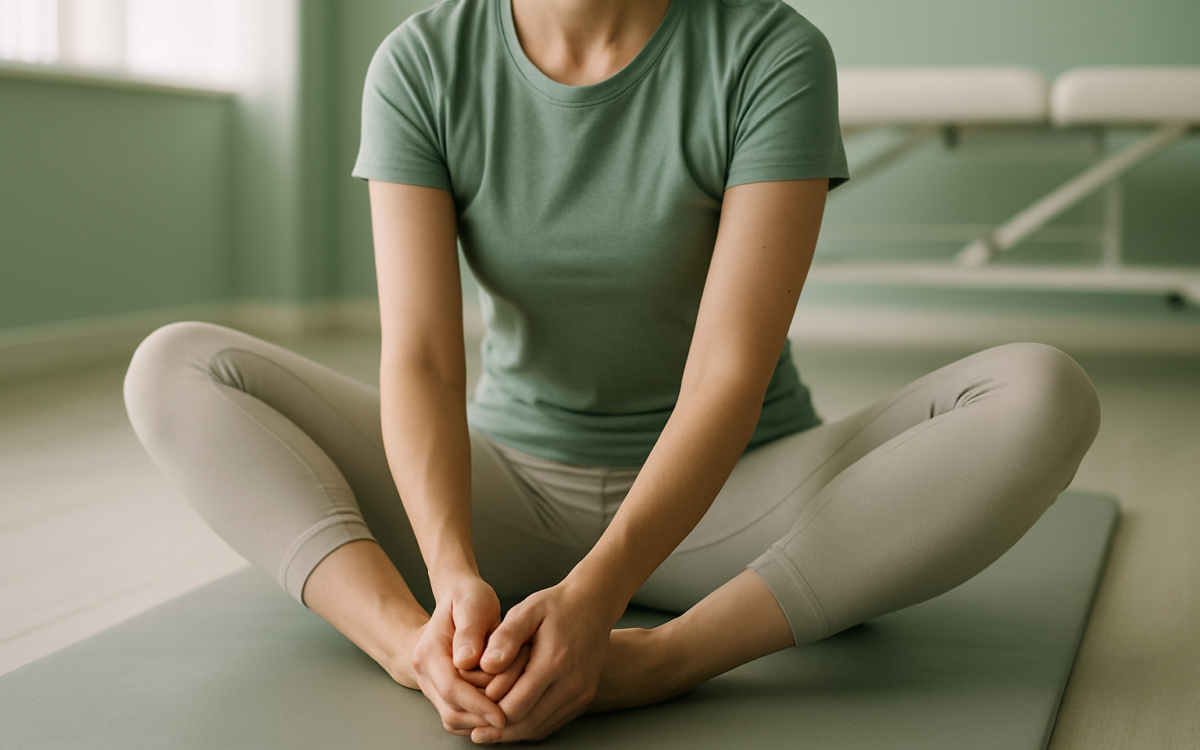
The butterfly stretch, also known as the seated butterfly or bound angle stretch, involves sitting on the floor with the soles of your feet pressed together, allowing your knees to fall outward. This position effectively targets key areas such as the hips, groin, and lower back. The stretch not only improves flexibility but also promotes relaxation and mental clarity.
Benefits of the Butterfly Stretch
The butterfly stretch comes with a variety of benefits that can enhance both physical health and mental well-being:
- Increases Flexibility: Consistent practice of the butterfly stretch can significantly improve flexibility in the hips and groin, which is essential for everyday movement and physical activities.
- Relieves Tension: Many people hold tension in their hips. The butterfly stretch helps to relieve this tension, making it easier to move and reducing discomfort.
- Improves Posture: By increasing hip flexibility, this stretch can contribute to better posture and spinal alignment, which is especially beneficial for those who sit for long periods.
- Enhances Circulation: The stretch promotes blood flow to the lower body, which is vital for overall health and reduces the risk of injury during physical activities.
- Encourages Mindfulness: Engaging in stretches like the butterfly stretch encourages you to focus on your breathing and body awareness, helping to alleviate stress and promote relaxation.
How to Perform the Butterfly Stretch
Here’s a step-by-step guide to properly executing the butterfly stretch:
- Start Position: Sit on the floor with your back straight and legs extended in front of you.
- Bring Feet Together: Bend your knees and bring the soles of your feet together, letting your knees fall outward.
- Hold Your Feet: Grasp your feet with your hands. Ensure that you keep your back straight and avoid rounding your shoulders.
- Gently Press Knees Down: Apply gentle pressure with your elbows to your knees to deepen the stretch, but do not force the movement.
- Maintain the Position: Hold the position for 15 to 30 seconds while breathing deeply through your nose.
- Release Slowly: To finish, gently straighten your legs and return to the starting position.
Always listen to your body as you do this stretch. If you feel pain, ease off a bit to avoid injury.
Variations of the Butterfly Stretch
If you’re looking to enhance your routine further, consider these variations of the butterfly stretch:
- Forward Bend Butterfly: While in the traditional butterfly position, lean forward gently, reaching out with your hands. This variation deepens the stretch in the lower back and hips.
- Supported Butterfly: Use a cushion or yoga blocks under your knees for added support and comfort, especially if you find it challenging to stay balanced.
- Standing Butterfly: Stand and bring your feet together, then bend your knees outward while maintaining balance. This helps engage your core and improves stability.
When to Incorporate the Butterfly Stretch
The butterfly stretch can be integrated into your routine in various ways:
- As a Warm-Up: Incorporate the stretch before a workout to prepare your muscles and joints.
- During Cool Down: It’s a great way to wind down at the end of your workout, promoting relaxation and recovery.
- During Breaks: If you have a sedentary job, take short breaks to do this stretch. It can help reduce stiffness and improve circulation.
Safety Tips for the Butterfly Stretch
While the butterfly stretch can be beneficial, it’s important to practice it safely:
- Warm Up First: Always warm up before stretching to reduce the risk of injuries. Activities like light jogging or dynamic stretches can help.
- Listen to Your Body: If you feel pain or significant discomfort, stop immediately. Stretching should feel good, not painful.
- Consult a Professional: If you have pre-existing conditions or injuries, consult with a healthcare provider or a physical therapist before starting new stretches.
When to See a Doctor
If you experience persistent pain in your hips or lower back, or if you notice discomfort that limits your ability to perform daily activities, it’s advisable to consult a healthcare provider. Conditions such as hip bursitis, arthritis, or other musculoskeletal issues might require professional evaluation and treatment. You can learn more about when to seek medical help from resources like the Mayo Clinic.
Conclusion
The butterfly stretch is a simple yet effective way to enhance your flexibility, relieve tension, and integrate mindfulness into your daily routine. As you explore this stretch, remember to listen to your body and make adjustments as needed. Whether you’re using it to prepare for physical activity or to help relax after a long day, the butterfly stretch can be a valuable addition to your wellness toolkit. Embrace its benefits and take a step towards better flexibility and health today!
